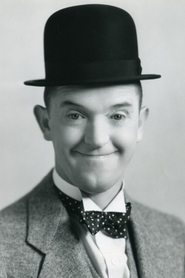
Stan Laurel
Actor & Director
Born: June 16, 1890 in Ulverston, Lancashire, England (now Cumbria) Died: February 23, 1965 Active: 1917-1951 Birth Name: Arthur Stanley Jefferson
About Stan Laurel
Stan Laurel, born Arthur Stanley Jefferson, was a pioneering comedy actor, writer, and director who became one half of the most beloved comedy duo in film history. Born in England in 1890, he began his career in British music halls and theater before moving to the United States in 1910, where he joined Fred Karno's comedy troupe alongside Charlie Chaplin. After establishing himself as a solo comedian in silent shorts for studios like Hal Roach, he was paired with Oliver Hardy in 1927, creating the iconic Laurel and Hardy partnership that would span three decades and over 100 films. Their unique blend of slapstick, timing, and emotional warmth made them international superstars through the silent era, transition to sound, and into the 1940s. Laurel was not only the performer but also the creative force behind many of their routines, serving as writer and often uncredited director. After Hardy's death in 1957, Laurel continued to receive honors and recognition for their collective work until his own death in 1965, leaving an indelible mark on comedy that continues to influence performers today.
The Craft
On Screen
Stan Laurel's acting style was characterized by his childlike innocence, bewildered expressions, and masterful physical comedy. He portrayed the 'everyman' caught in circumstances beyond his control, often crying with a distinctive whimpering sound that became his trademark. His comedy relied on subtle facial expressions, perfect timing, and the ability to convey confusion and helplessness through minimal movements. Unlike typical slapstick comedians of his era, Laurel's humor was gentle and relatable, making audiences sympathize with his perpetual state of misfortune.
Behind the Camera
As a director, Laurel was meticulous about comedy construction and timing, though he rarely received official directing credits. He focused on building comedic situations gradually, allowing gags to develop naturally rather than forcing them. His approach emphasized character-driven comedy over pure slapstick, ensuring that the humor emerged from the personalities of Laurel and Hardy themselves. He was known for his innovative use of props and his ability to create complex comedic sequences that built to perfect climaxes.
Milestones
- Early solo career in silent comedies (1917-1926)
- First official pairing with Oliver Hardy in 'The Lucky Dog' (1921)
- Formation of official Laurel and Hardy team at Hal Roach Studios (1927)
- Successful transition to sound films with 'Unaccustomed As We Are' (1929)
- Academy Honorary Award for comedy (1961)
- Induction into Hollywood Walk of Fame (1960)
- Final film appearance 'Atoll K' (1951)
Best Known For
Iconic Roles
Must-See Films
Accolades
Won
- Academy Honorary Award (1961) - For their creative pioneering in the field of cinema comedy (with Oliver Hardy)
- Golden Laurel Award (1962) - Special Award for Comedy (with Oliver Hardy)
- George Eastman Award (1960) - For distinguished contribution to motion pictures (with Oliver Hardy)
Nominated
- Academy Award nomination for Best Short Subject - The Music Box (1932)
- Academy Award nomination for Best Short Subject - Helpmates (1932)
Special Recognition
- Hollywood Walk of Fame star (1960)
- Inducted into the Motion Picture Hall of Fame (1960)
- British Film Institute Fellowship (posthumous)
- Comedy Hall of Fame induction
- Statue erected in Ulverston, his birthplace
- Laurel and Hardy Museum opened in Ulverston
Working Relationships
Worked Often With
Studios
Why They Matter
Impact on Culture
Stan Laurel's impact on comedy and cinema is immeasurable, fundamentally changing how comedy was constructed and performed on screen. As half of Laurel and Hardy, he helped create a new form of comedy that blended slapstick with genuine emotion, making audiences laugh while also caring deeply about the characters. Their films were among the first to successfully transition from silent to sound cinema, proving that character-based comedy could work in both mediums. Laurel's writing and comedic construction influenced generations of comedians and comedy writers, establishing principles of timing, setup, and payoff that are still studied today. The duo's international appeal helped establish American comedy as a global phenomenon, with their films being translated and beloved worldwide. Laurel's portrayal of the eternal innocent who perseveres through endless misfortune became an archetypal character in comedy that has been endlessly referenced and reimagined.
Lasting Legacy
Stan Laurel's legacy endures through the timeless appeal of Laurel and Hardy films, which continue to be screened, studied, and enjoyed by new generations. Their work represents the pinnacle of classic comedy, with films like 'The Music Box' and 'Sons of the Desert' still considered masterpieces of the genre. Laurel's innovative approach to comedy construction influenced countless comedians, from Abbott and Costello to modern comedy duos. The Laurel and Hardy fan community remains one of the most dedicated in classic cinema, with annual conventions and preservation efforts. His birthplace of Ulverston celebrates him with a museum and statue, while his influence can be seen in everything from The Three Stooges to modern sitcoms. The emotional depth he brought to comedy, making audiences care about his characters' plights, elevated comedy from mere entertainment to art form.
Who They Inspired
Stan Laurel's influence extends far beyond his own era, shaping the very language of screen comedy. His timing and physical comedy techniques became foundational for comedians from Buster Keaton to Jackie Chan. The character dynamic he created with Hardy established the template for countless comedy duos, from Abbott and Costello to modern pairs like Simon Pegg and Nick Frost. Comedy writers still study his construction of gags and his ability to build comedy from character rather than situation alone. His influence can be seen in the work of Mel Brooks, Woody Allen, and even contemporary comedians like Ricky Gervais. The gentle, humanistic quality of his comedy influenced the development of sitcoms and character-driven comedy films. Directors like Jacques Tati and Wes Anderson have cited Laurel's visual comedy as an influence on their work.
Off Screen
Stan Laurel's personal life was marked by multiple marriages and family challenges. He married five times, with his most stable marriage being to Ida Kitaeva Raphael, a Russian singer, who remained with him until his death. He had two children, a daughter Lois and a son Stanley, though his relationships with them were sometimes strained. Despite his on-screen persona as a simple, childlike character, Laurel was intellectually curious and an avid reader who spoke several languages. He was known for his kindness to fellow performers and was particularly devastated by Oliver Hardy's death in 1957, never fully recovering from the loss of his lifelong partner.
Education
Attended Bishopwearmouth School and King James I Grammar School in Bishop Auckland. Showed early theatrical talent in school productions but left formal education early to pursue a career in entertainment.
Family
- Lois Nelson (1918-1925)
- Estelle 'Mae' Calhoun (1926-1927)
- Ruth Rogers (1928-1937)
- Virginia Ruth Rogers (1941-1946)
- Ida Kitaeva Raphael (1946-1965, his death)
Did You Know?
- Stan Laurel was a Freemason and belonged to the same lodge as Oliver Hardy
- He invented the phrase 'Another fine mess you've gotten me into!' though it's often misquoted as 'another fine pickle'
- Despite his childlike on-screen persona, he was an intellectual who spoke several languages and was an avid chess player
- He was a skilled inventor and held several patents, including one for a sound amplifier
- His distinctive cry was developed from watching a real child cry
- He was left-handed but often appeared right-handed in films
- He saved Charlie Chaplin from drowning as a young man
- He was paid less than Oliver Hardy for most of their career despite being the creative force
- He never retired officially, remaining active in comedy until his death
- His birth name Arthur Stanley Jefferson was changed to Stan Laurel because he thought 'Jefferson' was too formal for comedy
- He was a heavy smoker, which contributed to his health problems in later years
- He met Oliver Hardy for the first time years before their official pairing
- He was known for his extreme generosity, often giving money to friends and strangers in need
In Their Own Words
A friend in need is a friend indeed, but a friend with weed is better.
You can lead a horse to water, but a pencil must be led.
I had a dream that I was awake and I woke up and found myself asleep.
In all the history of the world, there has never been a statue erected to a critic.
I don't think much of this new-fangled talking picture business. It will never last.
Another fine mess you've gotten me into!
Well, here's another nice kettle of fish you've gotten me into!
I'm not so tough. I'm just a big baby.
Frequently Asked Questions
Who was Stan Laurel?
Stan Laurel was a British-born comedy actor, writer, and director who became famous as one half of the legendary comedy duo Laurel and Hardy. Born Arthur Stanley Jefferson, he created a unique style of gentle, character-driven comedy that made him and Oliver Hardy international superstars from the 1920s through the 1950s.
What films is Stan Laurel best known for?
Stan Laurel is best known for his work with Oliver Hardy in classic comedy films including 'The Music Box' (1932), 'Sons of the Desert' (1933), 'Way Out West' (1937), 'Big Business' (1929), and 'Helpmates' (1932). These films showcase their unique blend of slapstick and heartfelt comedy that made them beloved worldwide.
When was Stan Laurel born and when did he die?
Stan Laurel was born Arthur Stanley Jefferson on June 16, 1890, in Ulverston, Lancashire, England. He died on February 23, 1965, in Santa Monica, California, at the age of 74, eight years after his comedy partner Oliver Hardy's death.
What awards did Stan Laurel win?
Stan Laurel received an Academy Honorary Award in 1961 for his creative pioneering in cinema comedy, shared with Oliver Hardy. He also received a Golden Laurel Award in 1962 and the George Eastman Award in 1960. He was honored with a star on the Hollywood Walk of Fame and inducted into the Comedy Hall of Fame.
What was Stan Laurel's acting style?
Stan Laurel's acting style was characterized by childlike innocence, bewildered expressions, and masterful physical comedy. He portrayed a perpetually confused but good-hearted character who audiences sympathized with despite his constant misfortunes. His comedy relied on subtle timing, distinctive facial expressions, and a trademark whimpering cry that became instantly recognizable.
How did Laurel and Hardy form their partnership?
Laurel and Hardy first appeared together in 'The Lucky Dog' (1921) but didn't officially form their partnership until 1927 at Hal Roach Studios. Director Leo McCarey paired them for 'Duck Soup' (1927), and their chemistry was so perfect that they became an official team, going on to make over 100 films together across three decades.
What was Stan Laurel's role behind the camera?
Beyond acting, Stan Laurel was the primary creative force behind Laurel and Hardy, writing many of their films and often directing unofficially. He was meticulous about comedy construction, timing, and gags, though he rarely received official directing credits. His innovative approach to comedy writing and construction influenced generations of comedians and filmmakers.
Learn More
Films
76 films
Slipping Wives
1927
The Second 100 Years
1927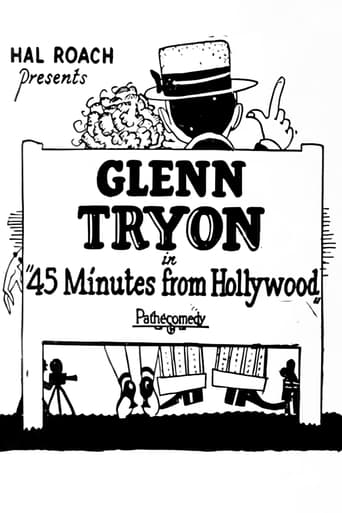
45 Minutes from Hollywood
1926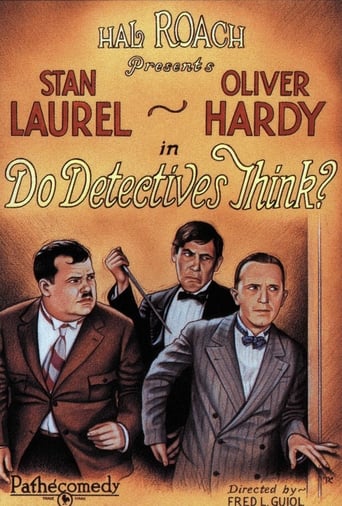
Do Detectives Think?
1927
Utopia
1951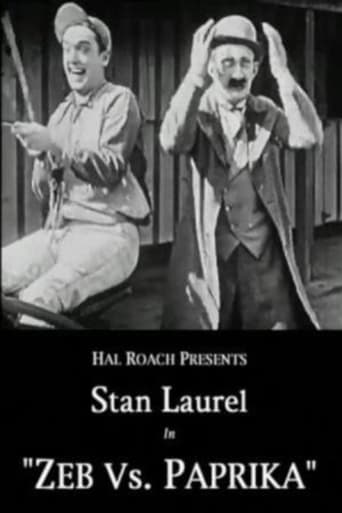
Zeb vs. Paprika
1924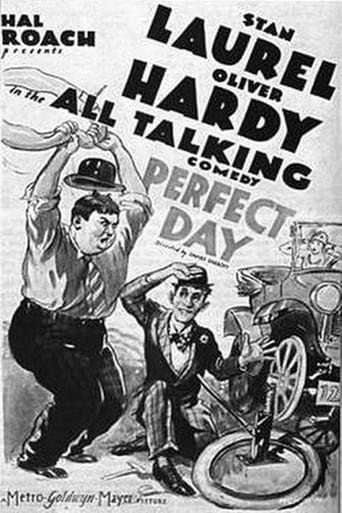
Perfect Day
1929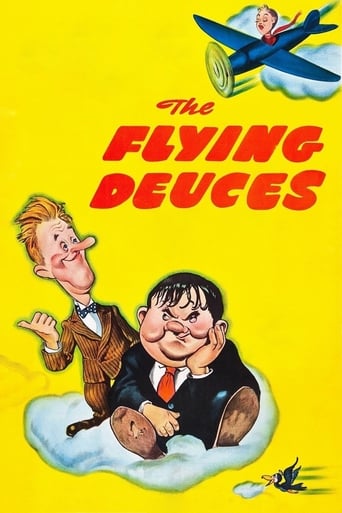
The Flying Deuces
1939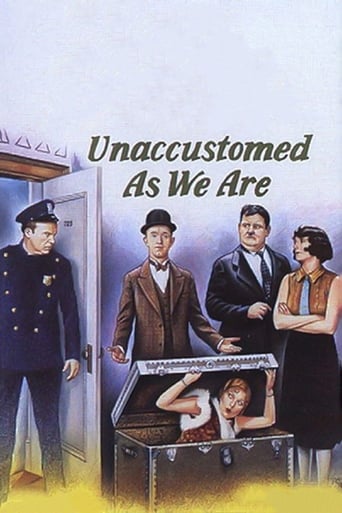
Unaccustomed as We Are
1929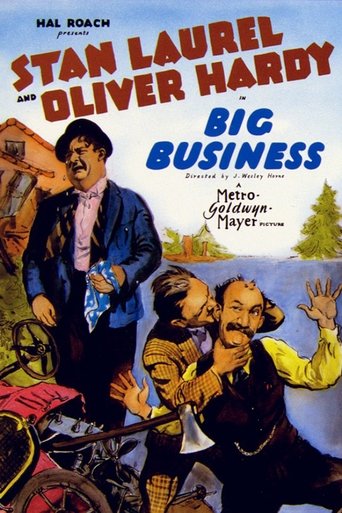
Big Business
1929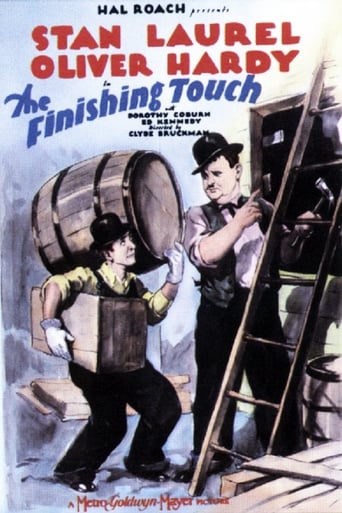
The Finishing Touch
1928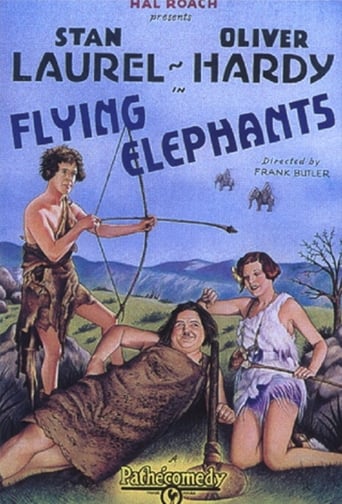
Flying Elephants
1928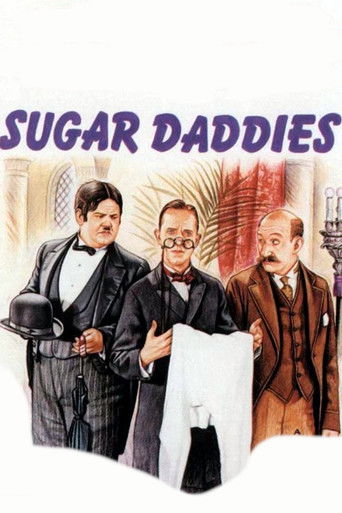
Sugar Daddies
1927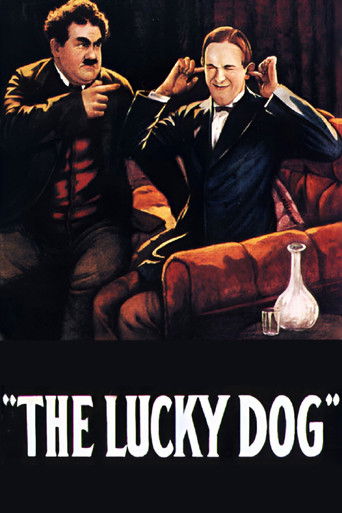
The Lucky Dog
1921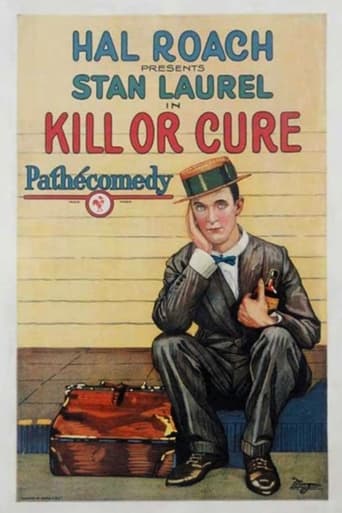
Kill or Cure
1923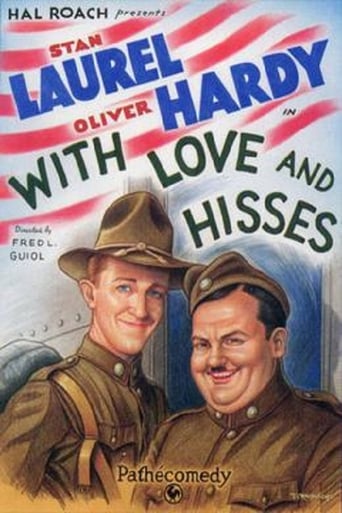
With Love and Hisses
1927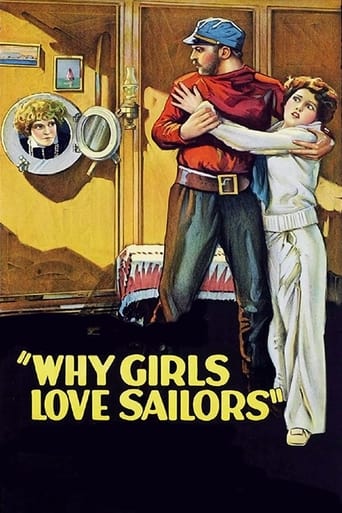
Why Girls Love Sailors
1927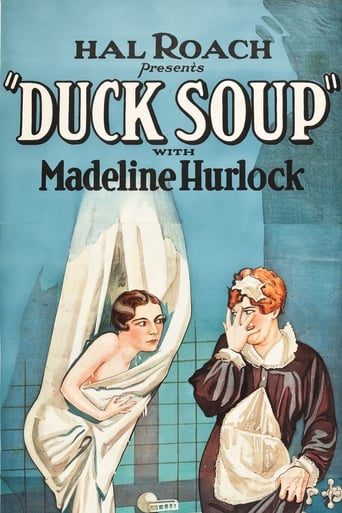
Duck Soup
1927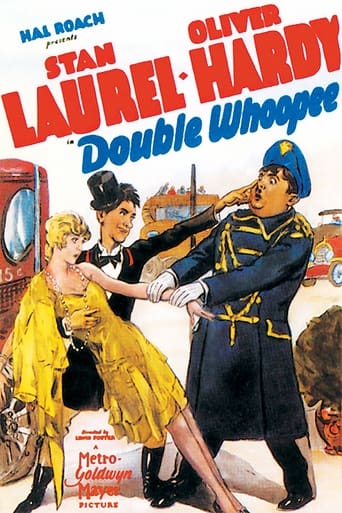
Double Whoopee
1929
Bacon Grabbers
1929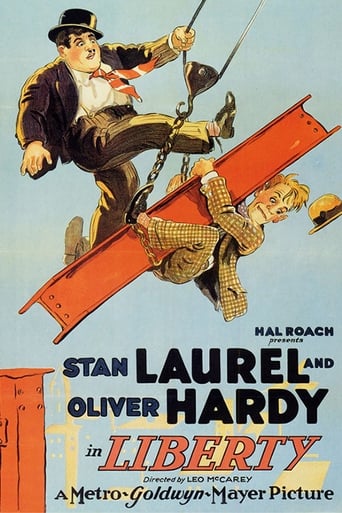
Liberty
1929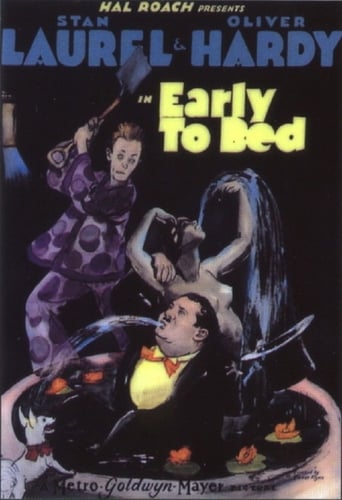
Early to Bed
1928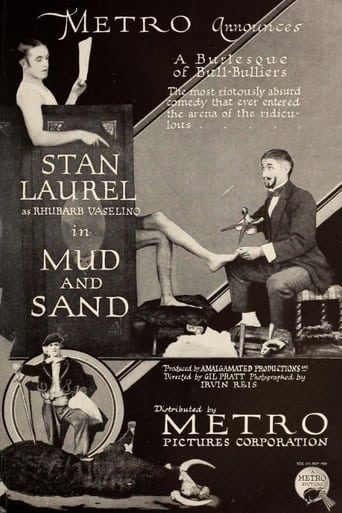
Mud and Sand
1922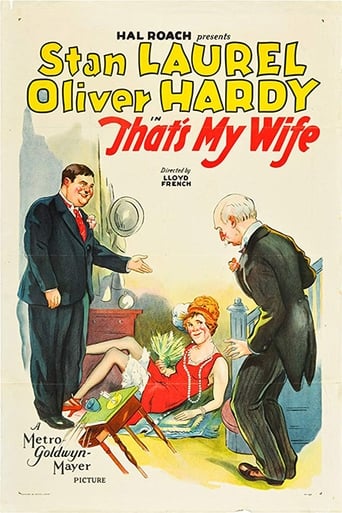
That's My Wife
1929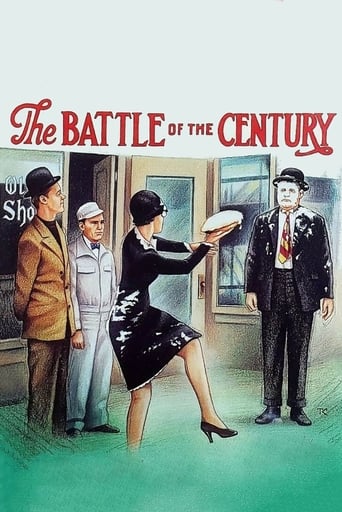
The Battle of the Century
1927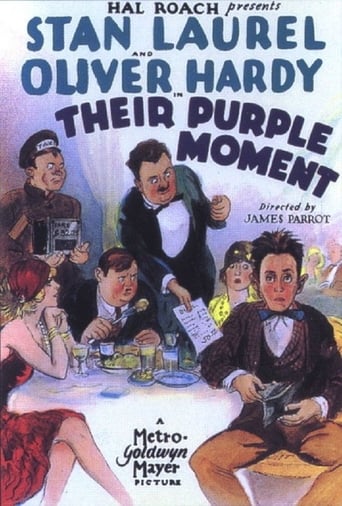
Their Purple Moment
1928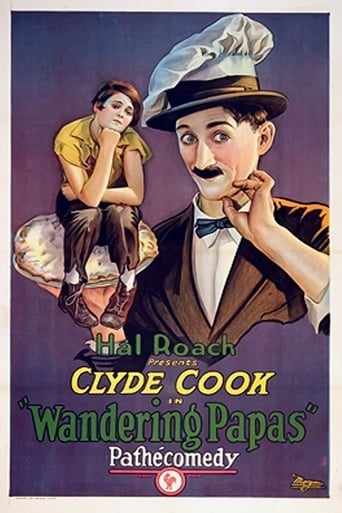
Wandering Papas
1926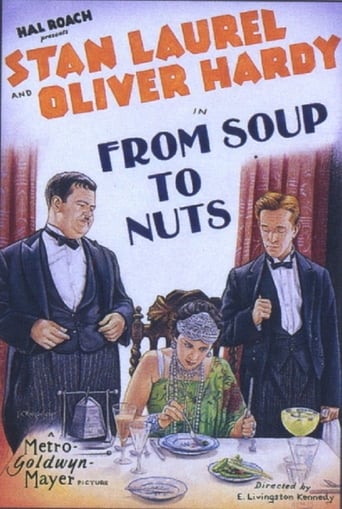
From Soup to Nuts
1928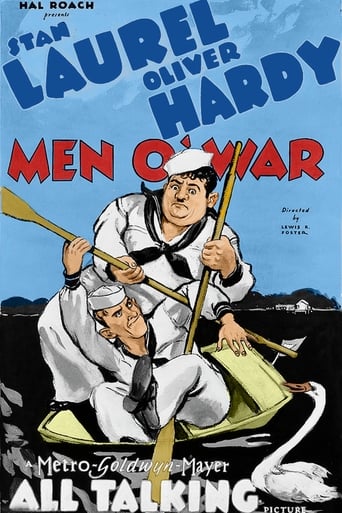
Men O' War
1929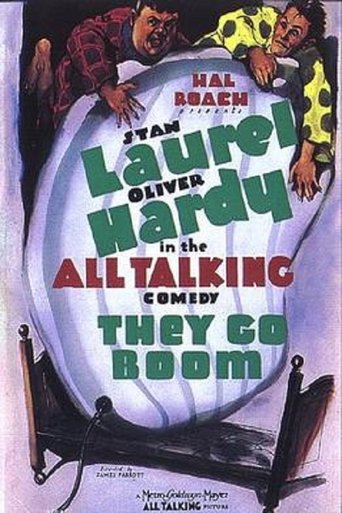
They Go Boom!
1929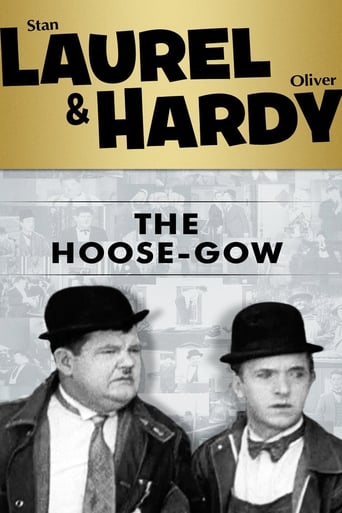
The Hoose-Gow
1929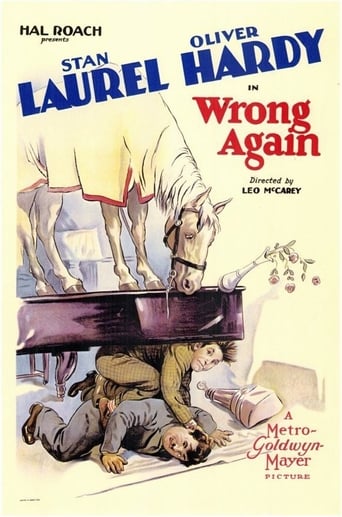
Wrong Again
1929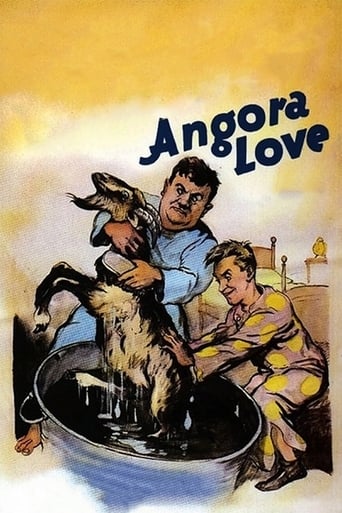
Angora Love
1929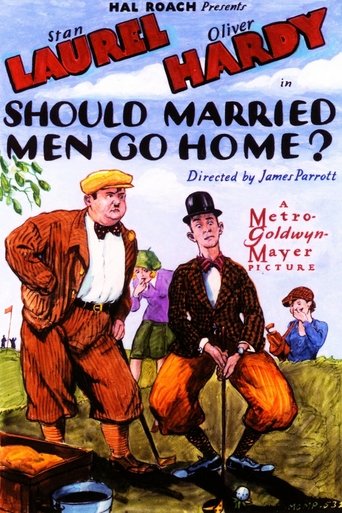
Should Married Men Go Home?
1928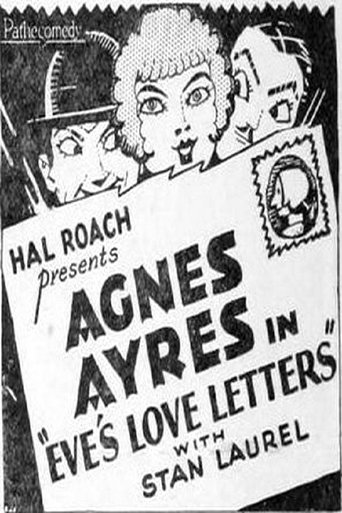
Eve's Love Letters
1927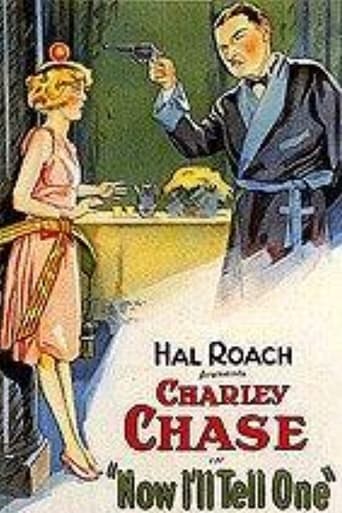
Now I'll Tell One
1927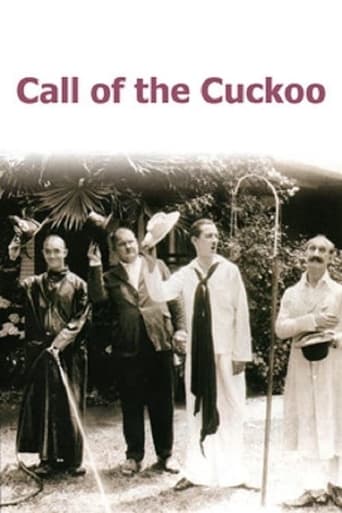
Call of the Cuckoo
1927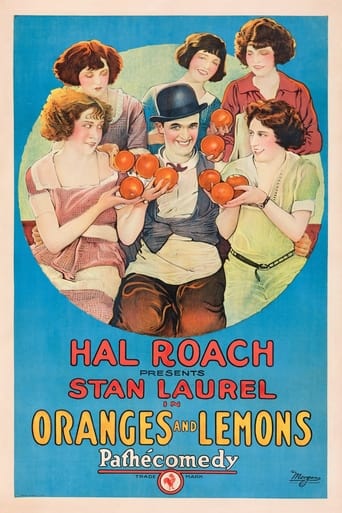
Oranges and Lemons
1923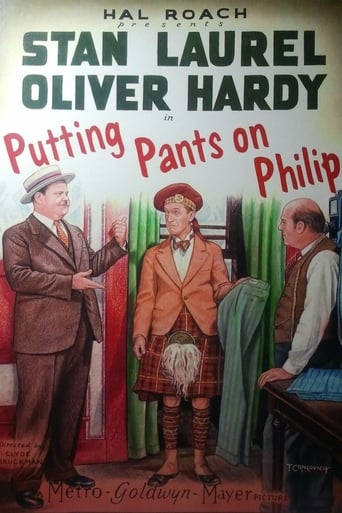
Putting Pants on Philip
1927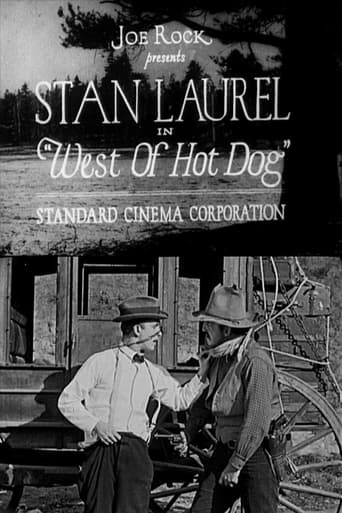
West of Hot Dog
1924
Collars and Cuffs
1923
Gas and Air
1923
Detained
1924
Sailors, Beware!
1927
Pick and Shovel
1923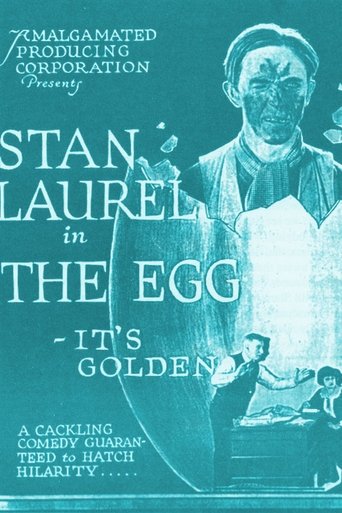
The Egg
1922
Bears and Bad Men
1918
Seeing the World
1927
Should Tall Men Marry?
1928
Brothers Under the Chin
1924
The Weak-End Party
1922
The Whole Truth
1923
The Pest
1922
What's the World Coming To?
1926
When Knights Were Cold
1923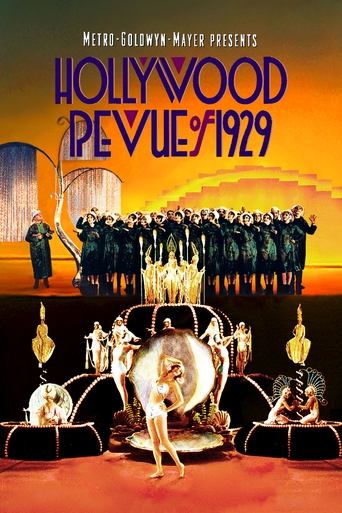
The Hollywood Revue of 1929
1929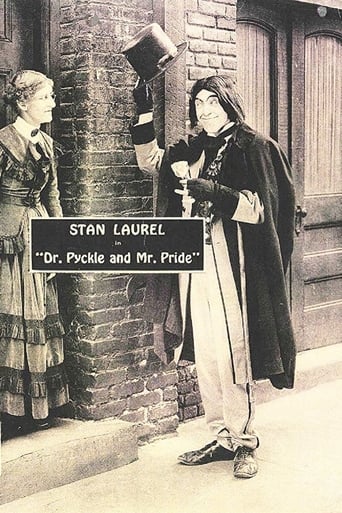
Dr. Pyckle and Mr. Pride
1925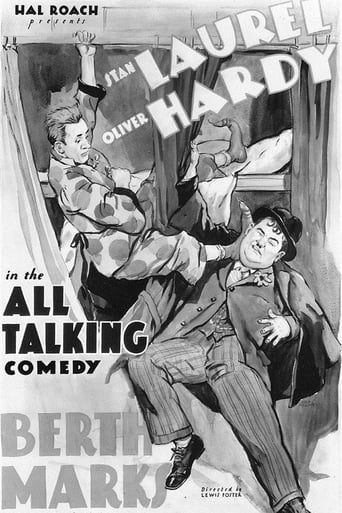
Berth Marks
1929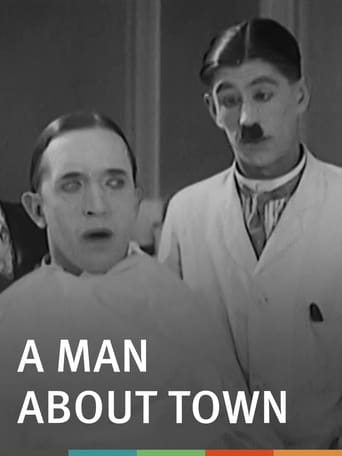
A Man About Town
1923
Pie-Eyed
1925
The Handy Man
1923
Twins
1925
Habeas Corpus
1928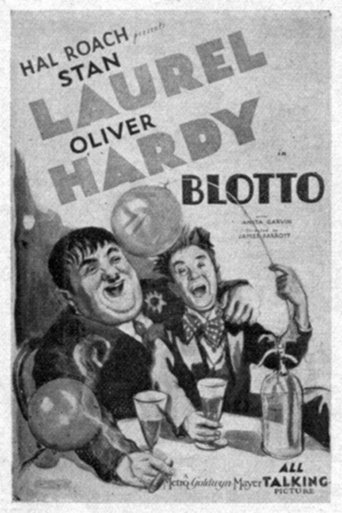
Blotto
1930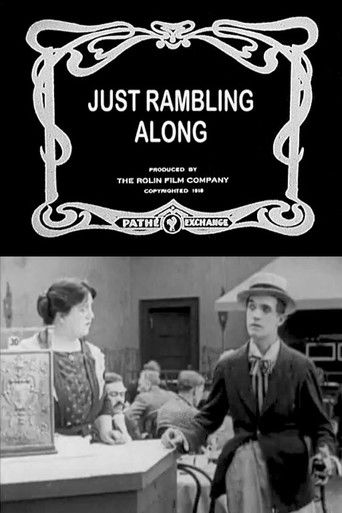
Just Rambling Along
1918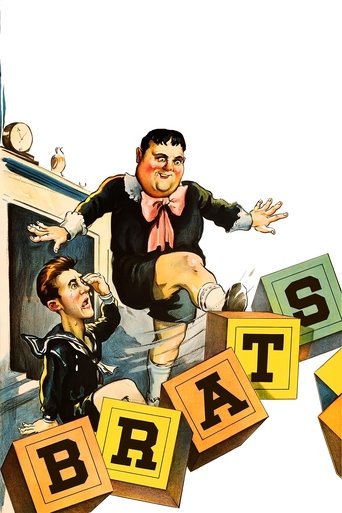
Brats
1930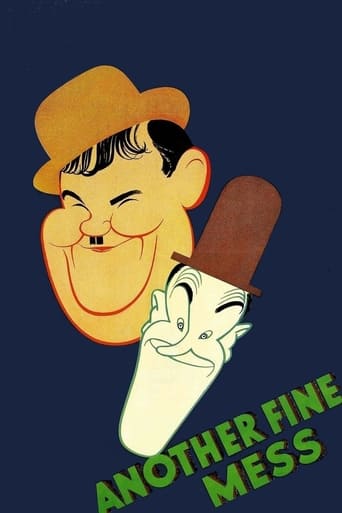
Another Fine Mess
1930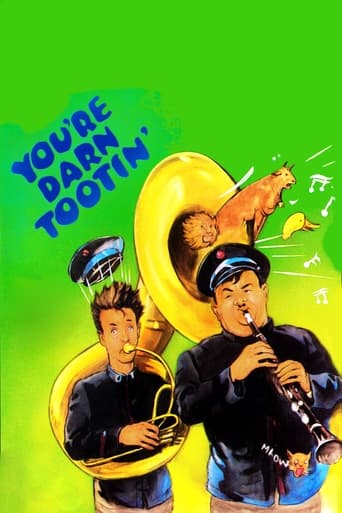
You're Darn Tootin'
1928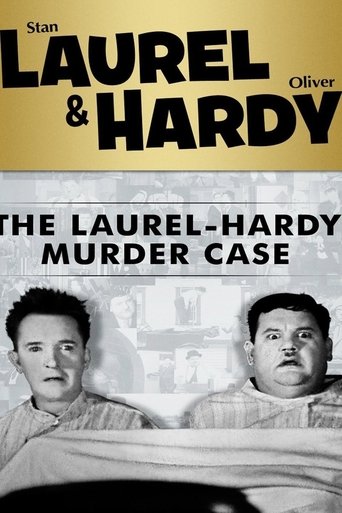
The Laurel-Hardy Murder Case
1930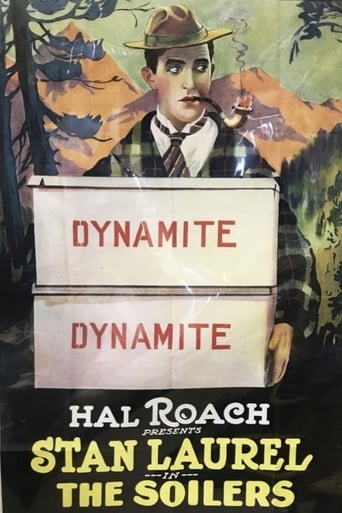
The Soilers
1923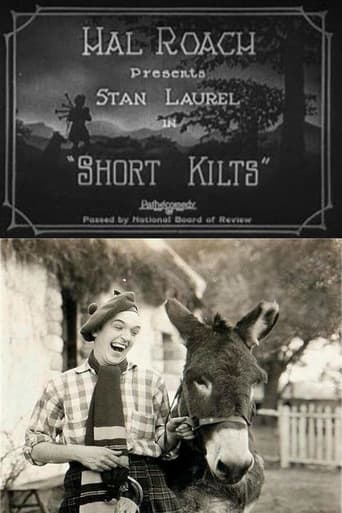
Short Kilts
1924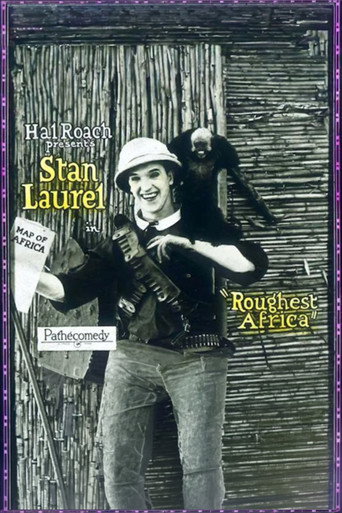
Roughest Africa
1923
Hustling for Health
1919
Scorching Sands
1923