Keys: Space play/pause · ←/→ 10s · F fullscreen · M mute · </> speed
Plot
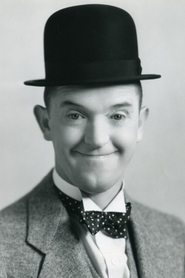
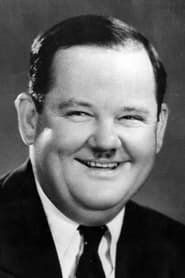
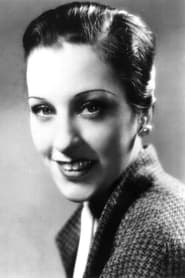
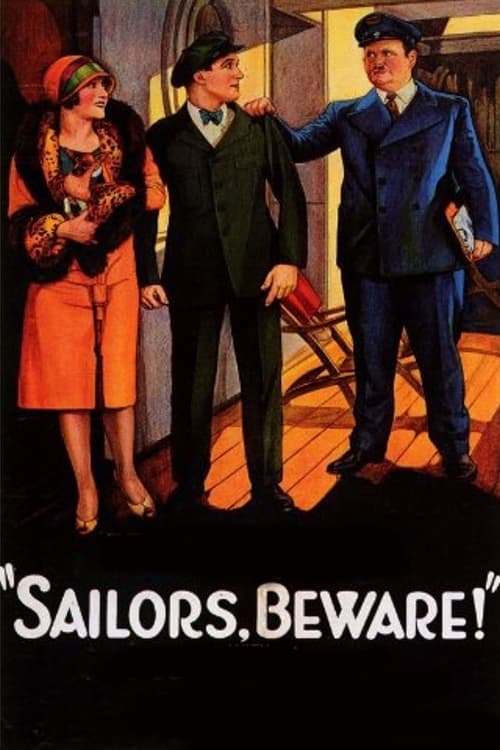
In this silent comedy short, Stan Laurel and Oliver Hardy work as stewards aboard an ocean liner where they encounter a sophisticated con artist named Mrs. Culpepper (Anita Garvin) and her accomplice, a full-grown midget disguised as her infant son. The duo attempt to swindle wealthy passengers by staging accidents and collecting compensation, but their scheme unravels when Laurel and Hardy become suspicious of the unusually large and articulate 'baby'. After a series of comedic mishaps including the 'baby' drinking alcohol and smoking cigars, the con artists are exposed in a chaotic finale that showcases Laurel and Hardy's classic physical comedy timing and slapstick routines aboard the ship.
About the Production
Release Date September 3, 1927
Production Hal Roach Studios
Filmed In Hal Roach Studios, Culver City, California
This film was part of the Hal Roach 'All-Star' comedy series and was one of the early films where Laurel and Hardy appeared together before they were officially established as a permanent comedy team. The production utilized studio sets to simulate the ocean liner interior, with careful attention to period detail in the ship's decor and passenger costumes typical of 1920s luxury travel.








Themes & Topics
con artistsocean linerdisguiseslapstickphysical comedymidget actorstewardinfant disguiseexposurechaos
Historical Background
1927 was a pivotal year in cinema history, marking the transition from silent films to 'talkies' with the release of 'The Jazz Singer.' 'Sailors, Beware!' was produced during the golden age of silent comedy, when stars like Charlie Chaplin, Buster Keaton, and Harold Lloyd dominated the box office. The film reflected the 1920s fascination with luxury ocean travel and the post-WWI economic boom that made transatlantic voyages increasingly popular among the wealthy. This period also saw the rise of organized crime and confidence schemes, which provided rich material for comedy filmmakers. The Roach studio was at its creative peak, producing dozens of comedy shorts annually for theaters' voracious appetite for new content.
Why This Film Matters
While not as well-known as some of Laurel and Hardy's later features, 'Sailors, Beware!' represents an important milestone in the development of one of cinema's most enduring comedy partnerships. The film helped establish the team's formula of contrasting personalities - Laurel's childlike innocence versus Hardy's blustery authority - that would define their subsequent work. The movie also exemplifies the sophisticated visual comedy of the late silent era, relying on precise timing and physical gags rather than dialogue. Its preservation and availability today offers modern audiences a glimpse into the evolution of American comedy and the transition from individual comic stars to established comedy teams.
Making Of
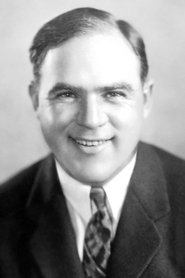
The production of 'Sailors, Beware!' took place during a transitional period at Hal Roach Studios when the studio was still experimenting with different comedy pairings. Stan Laurel and Oliver Hardy had appeared in several films together but hadn't yet developed their famous on-screen personas. Director Hal Roach recognized their chemistry and gradually gave them more screen time together. The casting of Harry Earles as the 'baby' was inspired by his successful stage career with the Ringling Brothers Circus. The filming required special camera angles and oversized props to maintain the illusion that Earles was an infant. Anita Garvin, a former Ziegfeld Follies dancer, brought her physical comedy skills to the role of the con artist mother. The ship set was one of the most expensive constructed at Roach Studios that year, featuring multiple decks and detailed passenger quarters.
What Critics Said
Contemporary reviews in trade publications like Variety and Motion Picture News praised the film's comedic timing and the effective use of the ship setting. Critics noted the growing chemistry between Laurel and Hardy, with Variety writing that 'the pair shows promise as a comedy team.' Modern film historians consider the short an important transitional work in the Laurel and Hardy canon, though it's generally regarded as less polished than their later sound films. The performances of Anita Garvin and Harry Earles received particular attention for their commitment to the physical comedy requirements of their roles.
Did You Know?
- This was one of the earliest films where Stan Laurel and Oliver Hardy appeared together, though they weren't yet officially established as a permanent comedy duo
- The midget actor playing the 'baby' was Harry Earles, who later gained fame for his role as a Munchkin in 'The Wizard of Oz' (1939)
- Anita Garvin was a frequent Laurel and Hardy co-star, appearing in 12 of their films
- The film was originally released as part of the 'Hal Roach All-Star' series before Laurel and Hardy became a standalone attraction
- The ship scenes were filmed entirely on studio sets using forced perspective techniques to create the illusion of a larger vessel
- Director Hal Roach was known as 'The King of Comedy' during this era and built his studio around discovering and developing comedy talent
- The film's title was a play on the common warning 'Sailors, beware!' but used in a comedic context
- This was one of the last silent shorts Laurel and Hardy made before transitioning to sound films
- The 'baby' drinking and smoking gags were considered quite risqué for the time period
- The film's original negative was preserved in the Library of Congress collection
More film details Visual style, music, quotes, restoration, and more
Visual Style
The cinematography, typical of Hal Roach productions of the era, employed clear, well-lit compositions that emphasized physical comedy and facial expressions. The camera work utilized medium shots to capture the full range of physical gags while ensuring the actors' expressions remained visible. The ship interiors were filmed with careful attention to depth and perspective to create the illusion of a larger space. The lighting design enhanced the comedy by highlighting the contrast between the supposed infant and adult characters, particularly in scenes where the 'baby' engaged in adult activities.
Innovations
The film demonstrated innovative use of forced perspective and oversized props to maintain the illusion that Harry Earles was an infant. The production team constructed custom-sized furniture and props that appeared normal-sized when filmed with Earles but were actually scaled to his proportions. The ship set design incorporated moving elements to simulate the motion of an ocean liner, requiring careful coordination between actors and crew. The film's pacing and editing techniques showed the sophisticated understanding of comedic timing that Hal Roach Studios had developed by the late 1920s.
Music
As a silent film, 'Sailors, Beware!' originally featured musical accompaniment provided by theater orchestras or pianists. The score would have been compiled from popular classical pieces and mood music from libraries like Kinothek or Sam Fox. Modern restorations typically feature newly composed scores by silent film musicians who create period-appropriate accompaniment using authentic instrumentation and styles of the 1920s. The musical cues would have emphasized the comedic timing and highlighted the physical comedy sequences.
Famous Quotes
(As silent intertitle) 'Mrs. Culpepper and her baby... a peculiar pair!'
(As silent intertitle) 'That baby smokes cigars and drinks whiskey!'
(As silent intertitle) 'The steward suspects something is wrong!'
Memorable Scenes
- The scene where the 'baby' (Harry Earles) drinks from a whiskey bottle and smokes a cigar, revealing his true adult nature to the shocked passengers; The chaotic chase sequence through the ship's corridors as Laurel and Hardy pursue the exposed con artists; The opening scene establishing the ship's luxury atmosphere with Laurel and Hardy bumbling through their steward duties
What Audiences Thought
The film was well-received by audiences of 1927, who appreciated the fresh pairing of Laurel and Hardy and the clever premise of the adult 'baby.' Moviegoers of the era were familiar with con artist schemes and found the parody of ocean liner culture particularly entertaining. The short performed solidly in theaters as part of comedy programs, helping build audience recognition for the Laurel and Hardy team that would later make them major stars. Modern audiences who view the film through silent cinema screenings and home media appreciate it as an example of classic slapstick comedy and a historical artifact of early Laurel and Hardy work.
Film Connections
Influenced By
- Mack Sennett comedy shorts
- Charlie Chaplin's tramp character
- Buster Keaton's deadpan style
- Harold Lloyd's everyman comedies
This Film Influenced
- The Battle of the Century (1927)
- Leave 'Em Laughing (1928)
- Habeas Corpus (1928)
- From Soup to Nuts (1928)
Film Restoration
The film is preserved in the Library of Congress collection and has been restored by the UCLA Film and Television Archive. A 35mm print exists in good condition, and the film has been released on DVD through various Laurel and Hardy collections. The restoration has stabilized the image quality and improved contrast, making the visual comedy more visible to modern audiences.
Where to Watch
- The film is available on DVD in 'The Laurel & Hardy Collection' volumes from various distributors
- Streaming on The Criterion Channel as part of their Laurel and Hardy collection
- Available on YouTube through official archives and public domain uploads
- Included in the 'Laurel & Hardy: The Essential Collection' Blu-ray set from Universal
- Accessible through streaming services specializing in classic cinema such as Kanopy (with library access)