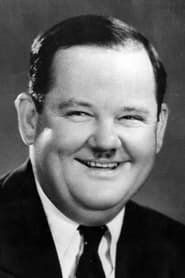
Oliver Hardy
Actor
Born: January 18, 1892 in Harlem, Georgia, USA Died: August 7, 1957 Active: 1914-1951 Birth Name: Norvell Hardy
About Oliver Hardy
Oliver Hardy, born Norvell Hardy, was an American comic actor who became immortalized as one half of the legendary comedy duo Laurel and Hardy. He began his film career in 1914 with the Lubin Manufacturing Company in Jacksonville, Florida, appearing in numerous short comedies throughout the silent era. Hardy established himself as a reliable character actor before his fateful pairing with Stan Laurel in 1927, which would transform both their careers and create one of cinema's most beloved partnerships. Together, they perfected a unique brand of comedy that blended slapstick with subtle character development, creating over 100 films together. Hardy's portrayal of the pompous, frequently exasperated but ultimately lovable 'Ollie' became an iconic archetype in comedy. Their transition to sound films was seamless, with Hardy's distinctive Southern drawl and perfect timing enhancing their comedic chemistry. Despite health problems in his later years, Hardy continued performing until his final film 'Atoll K' in 1951, leaving behind a legacy that has influenced generations of comedians and filmmakers.
The Craft
On Screen
Hardy developed a distinctive comedic style characterized by his 'glamour-tyke' persona - a pompous, self-important gentleman with a childlike vulnerability beneath the surface. His physical comedy was precise yet seemingly effortless, utilizing his considerable frame for maximum comedic effect through slow-burn reactions, elaborate double-takes, and perfectly timed pratfalls. Hardy excelled at the slow burn, building frustration through subtle facial expressions before explosive outbursts. His Southern drawl and deliberate speech patterns became integral to his character, often delivering the team's famous catchphrases with theatrical flair. Unlike many slapstick comedians, Hardy brought depth to his character, creating a believable personality that audiences could both laugh at and sympathize with.
Milestones
- First film appearance in 'Outwitting Dad' (1914)
- First pairing with Stan Laurel in 'The Lucky Dog' (1921)
- Official formation of Laurel and Hardy team at Hal Roach Studios (1927)
- Academy Award for Best Short Subject for 'The Music Box' (1932)
- Transition to feature films with 'Pardon Us' (1931)
- Final film together 'Atoll K' (1951)
Best Known For
Iconic Roles
Must-See Films
Accolades
Won
- Academy Award for Best Short Subject (Comedy) for 'The Music Box' (1932)
Nominated
- Academy Award nomination for Best Short Subject (Comedy) for 'The Battle of the Century' (1928)
- Academy Award nomination for Best Short Subject (Comedy) for 'Perfect Day' (1929)
- Academy Award nomination for Best Short Subject (Comedy) for 'Blotto' (1930)
- Academy Award nomination for Best Short Subject (Comedy) for 'Brats' (1930)
- Academy Award nomination for Best Short Subject (Comedy) for 'Below Zero' (1930)
- Academy Award nomination for Best Short Subject (Comedy) for 'Hog Wild' (1930)
- Academy Award nomination for Best Short Subject (Comedy) for 'The Music Box' (1932) - Won
- Academy Award nomination for Best Short Subject (Comedy) for 'Their First Mistake' (1932)
- Academy Award nomination for Best Short Subject (Comedy) for 'Busy Bodies' (1933)
- Academy Award nomination for Best Short Subject (Comedy) for 'County Hospital' (1932)
Special Recognition
- Hollywood Walk of Fame star (1960)
- Inducted into the Hall of Famous Missourians (1992)
- Laurel and Hardy Museum in Harlem, Georgia dedicated to his memory
- Multiple postage stamps featuring Laurel and Hardy issued by various countries
- The Sons of the Desert, the international Laurel and Hardy appreciation society, named after their 1933 film
Working Relationships
Worked Often With
Studios
Why They Matter
Impact on Culture
Oliver Hardy, as part of Laurel and Hardy, revolutionized film comedy by creating a new template for comedy duos that balanced contrasting personalities. Their influence extended beyond film to television, with shows like 'The Honeymooners' and 'The Odd Couple' echoing their dynamic. Hardy's character archetype - the pompous but vulnerable authority figure - became a recurring trope in comedy that persists in modern sitcoms and films. Their international popularity transcended language barriers, with their films being enjoyed worldwide even during the silent era. The duo's emphasis on character-driven comedy rather than purely physical gags influenced generations of comedians who followed. Hardy's distinctive look - bowler hat, tie, and plus-sized frame - became instantly recognizable cultural shorthand for a certain type of comic character. Their films have been preserved and studied by film scholars as masterpieces of comic timing and structure.
Lasting Legacy
Oliver Hardy's legacy endures through the continued popularity of Laurel and Hardy films, which remain in constant circulation on television and streaming platforms worldwide. The Sons of the Desert, with chapters globally, keeps their memory alive through regular screenings and events. Hardy's comedic technique has been analyzed in film schools and studied by comedians seeking to understand the art of timing and character development. His partnership with Stan Laurel is widely regarded as cinema's most perfect comedy duo, setting a standard that has never been surpassed. The Laurel and Hardy Museum in Hardy's hometown of Harlem, Georgia, celebrates his contributions to comedy, while their films continue to be restored and preserved by film archives. Their influence can be seen in countless comedy teams that followed, from Abbott and Costello to modern duos. Hardy's ability to create a character who was simultaneously ridiculous and relatable has ensured that his work remains fresh and funny to new generations of viewers.
Who They Inspired
Hardy's precise comic timing and character development influenced comedians from Jackie Gleason to John Cleese, who studied his slow-burn reactions and facial expressions. His ability to play both the straight man and comic foil within the same performance became a template for comedy actors. The Laurel and Hardy style of blending slapstick with character comedy influenced filmmakers from Jacques Tati to the Coen Brothers. Modern comedy duos often echo the Laurel-Hardy dynamic of contrasting personalities. Hardy's approach to physical comedy - making it seem both accidental and deliberate - influenced everyone from Buster Keaton contemporaries to modern physical comedians. His work demonstrated how comedy could be both universal and deeply personal, influencing comedians who sought to create characters with depth beneath the laughs. The team's influence extends to animation, with characters like Yogi Bear and Boo Boo echoing their dynamic.
Off Screen
Oliver Hardy was married three times and had no biological children, though he was stepfather to his first wife's daughter. His personal life was marked by both happiness and tragedy, including the early death of his first wife and his own struggles with health issues in later years. Despite his larger-than-life screen persona, Hardy was known as a gentle, kind man off-screen who was deeply devoted to his friends and family. He maintained a close friendship with Stan Laurel that extended beyond their professional relationship, with Laurel remaining by Hardy's side during his final illness. Hardy was an avid fisherman and enjoyed cooking, often preparing meals for friends and colleagues. His weight, which became part of his comic persona, fluctuated throughout his life and contributed to his health problems in his final years.
Education
Attended public schools in Georgia, studied at Georgia Military College, and attended the University of Georgia briefly before leaving to pursue a career in entertainment
Family
- Madeline Saloshin (1913-1920)
- Myrtle Reeves (1921-1937)
- Virginia Lucille Jones (1940-1957)
Did You Know?
- He legally changed his name to Oliver Hardy in 1910, adopting his father's first name as his own
- He was a skilled singer and performed in several Laurel and Hardy films, showcasing a pleasant baritone voice
- Before entering films, he worked as a movie theater projectionist, giving him early exposure to cinema
- He served in the US Army during World War I but was discharged due to his weight
- His famous catchphrase 'Well, here's another nice mess you've gotten me into!' was often misquoted as 'nice kettle of fish'
- He was a Freemason and belonged to Solomon Lodge No. 20 in Jacksonville, Florida
- He lost over 100 pounds in the early 1930s but regained it, affecting his health in later years
- Despite their on-screen conflicts, he and Stan Laurel were the best of friends off-screen
- He was an excellent cook and often prepared meals for the cast and crew during film shoots
- He appeared in over 400 films before his partnership with Stan Laurel became official
- His first film with Stan Laurel, 'The Lucky Dog' (1921), was made before they became a regular team
- He was left-handed, which sometimes created challenges for the right-handed gags in their films
- He owned a restaurant in Los Angeles called 'Oliver Hardy's' during the 1930s
- He was a heavy smoker, which contributed to his health problems in his final years
In Their Own Words
Well, here's another nice mess you've gotten me into!
You know that, don't you?
Why don't you do something to help me?
This is another fine mess you've gotten me into!
I have nothing to say!
Now look what you've done!
You're playing with fire!
That's a lot of baloney and you know it!
Frequently Asked Questions
Who was Oliver Hardy?
Oliver Hardy was an American comic actor best known as one half of the legendary comedy duo Laurel and Hardy. Born Norvell Hardy in 1892, he became famous for his portrayal of the pompous but lovable 'Ollie' character in over 100 films with Stan Laurel from 1927 to 1951. His distinctive style of comedy, combining physical slapstick with subtle character work, made him one of the most beloved comedians of the classic Hollywood era.
What films is Oliver Hardy best known for?
Hardy is best known for his work with Stan Laurel in films like 'The Music Box' (1932), which won an Academy Award, 'Sons of the Desert' (1933), 'Way Out West' (1937), and 'The Flying Deuces' (1939). Other notable films include 'Big Business' (1929), 'Liberty' (1929), 'Our Relations' (1936), and 'A Chump at Oxford' (1940). These films showcase their perfect comedic chemistry and timeless humor.
When was Oliver Hardy born and when did he die?
Oliver Hardy was born Norvell Hardy on January 18, 1892, in Harlem, Georgia, USA. He died on August 7, 1957, in North Hollywood, California, at the age of 65, following a series of strokes. His death marked the end of one of cinema's most beloved comedy partnerships, though his films continue to entertain audiences worldwide.
What awards did Oliver Hardy win?
Oliver Hardy and Stan Laurel won the Academy Award for Best Short Subject (Comedy) for 'The Music Box' in 1932. They received ten Academy Award nominations in total for their short films. Hardy also received a star on the Hollywood Walk of Fame in 1960, and has been honored with numerous posthumous recognitions including inductions into comedy halls of fame and museums dedicated to his work.
What was Oliver Hardy's acting style?
Hardy developed a unique comedic style characterized by his 'glamour-tyke' persona - a pompous, self-important gentleman with underlying vulnerability. His technique featured precise physical comedy, slow-burn reactions, elaborate double-takes, and perfectly timed pratfalls. Hardy's Southern drawl and deliberate speech patterns became integral to his character, and he excelled at building frustration through subtle facial expressions before explosive outbursts, creating depth beyond mere slapstick.
How did Oliver Hardy and Stan Laurel meet?
Hardy and Laurel first appeared together in 'The Lucky Dog' in 1921, but didn't become a regular team until 1926 when Hal Roach Studios paired them formally. Their chemistry was immediately apparent, and they developed their partnership through dozens of short films before transitioning to features. Roach recognized how their contrasting personalities - Hardy's pompous authority figure and Laurel's childlike innocence - created perfect comic balance.
What was Oliver Hardy's life like outside of acting?
Outside of his film career, Hardy was married three times and had no biological children. He was known as a gentle, kind man who enjoyed fishing, cooking, and spending time with friends. Despite his large screen persona, he was described as shy and reserved in real life. He maintained a close friendship with Stan Laurel that extended beyond their professional relationship, with Laurel remaining by Hardy's side during his final illness.
How did Oliver Hardy influence later comedians?
Hardy's precise comic timing and character development influenced generations of comedians from Jackie Gleason to John Cleese and Jerry Lewis. His technique of playing both straight man and comic foil became a template for comedy actors. The Laurel and Hardy style of blending slapstick with character comedy influenced filmmakers from Jacques Tati to the Coen Brothers, and their contrasting personality dynamic became a model for countless comedy duos that followed.
Learn More
Films
88 films
Slipping Wives
1927
Crazy Like a Fox
1926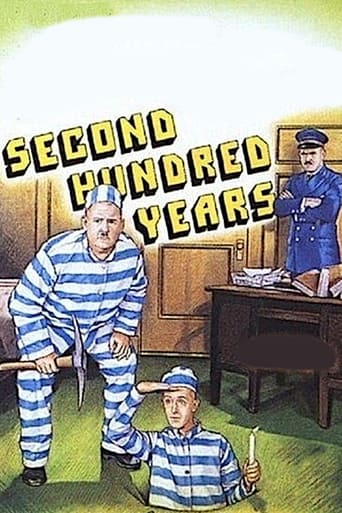
The Second 100 Years
1927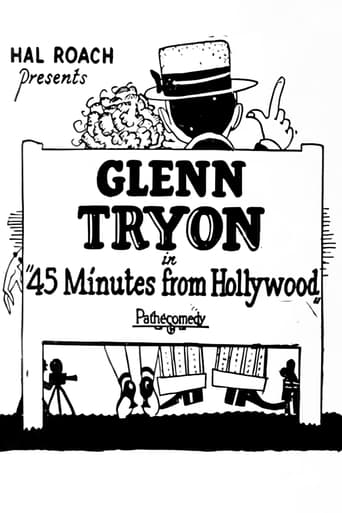
45 Minutes from Hollywood
1926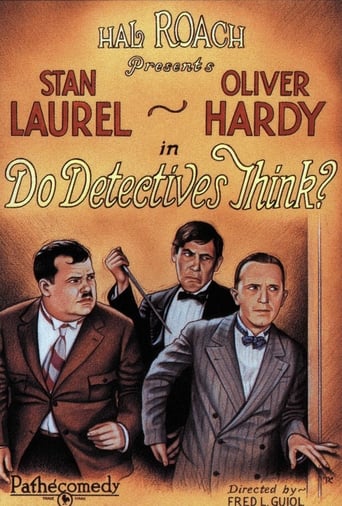
Do Detectives Think?
1927
Utopia
1951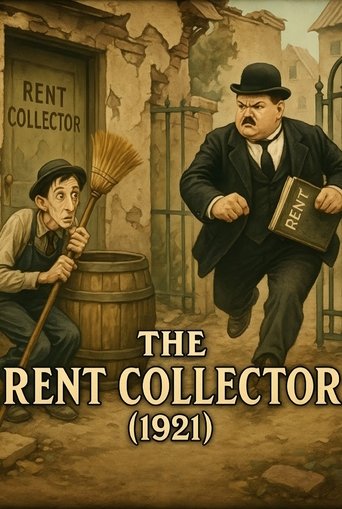
The Rent Collector
1921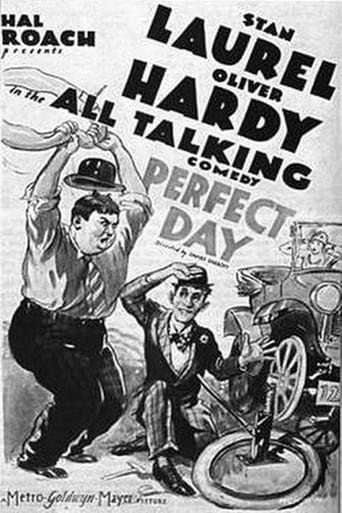
Perfect Day
1929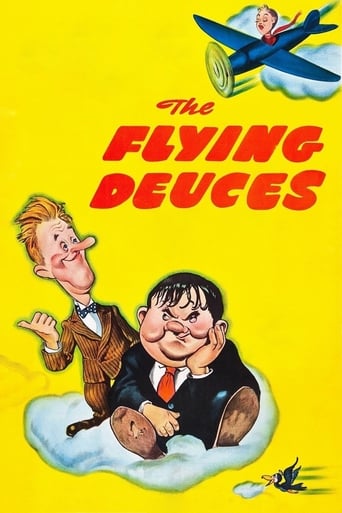
The Flying Deuces
1939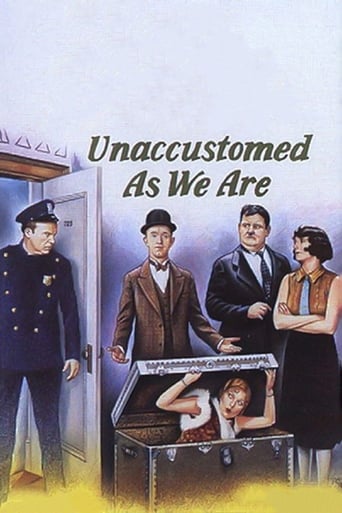
Unaccustomed as We Are
1929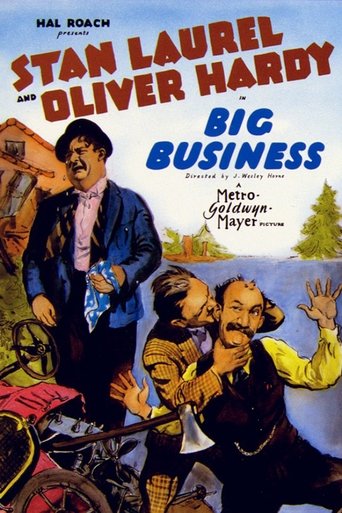
Big Business
1929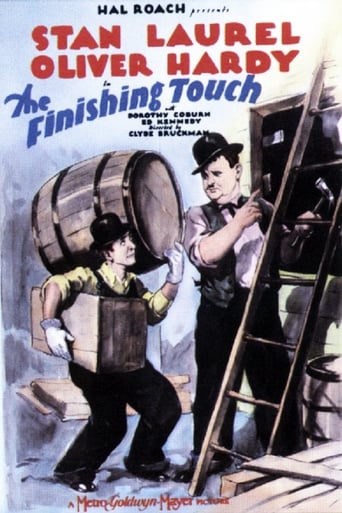
The Finishing Touch
1928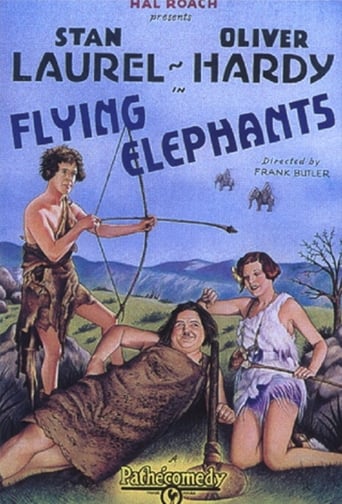
Flying Elephants
1928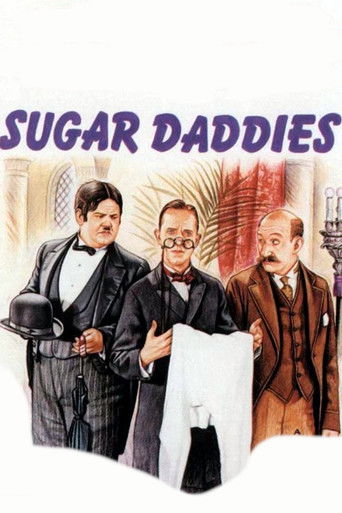
Sugar Daddies
1927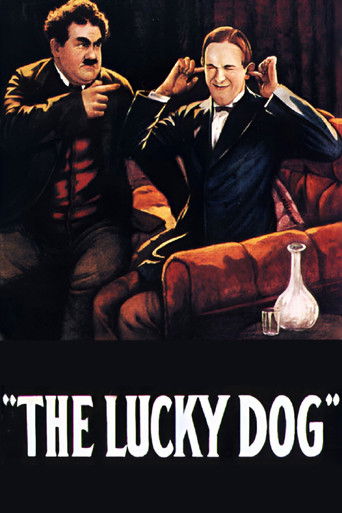
The Lucky Dog
1921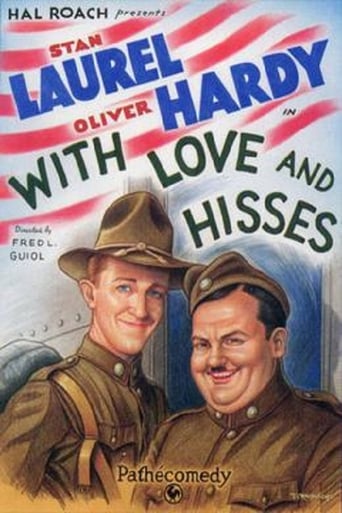
With Love and Hisses
1927
Why Girls Love Sailors
1927
Duck Soup
1927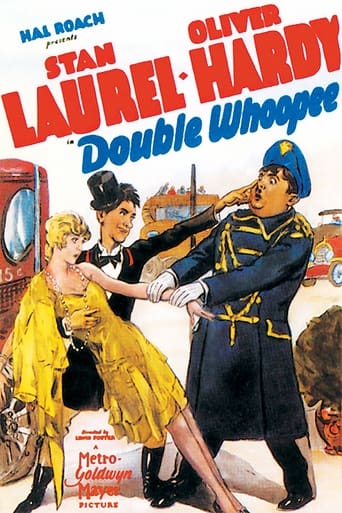
Double Whoopee
1929
Bacon Grabbers
1929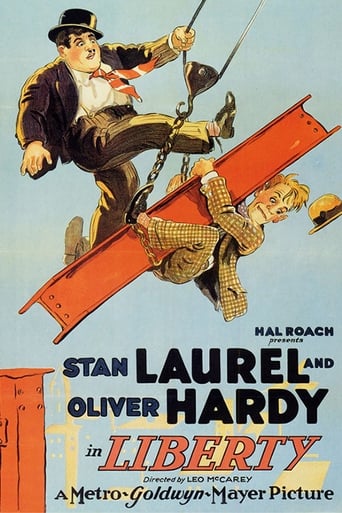
Liberty
1929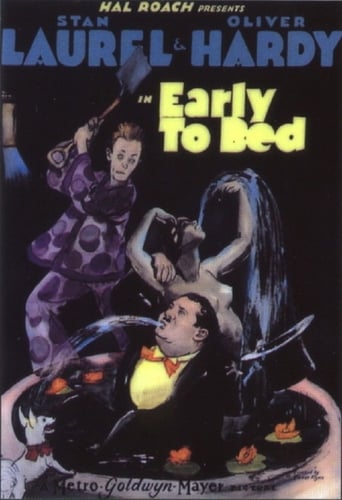
Early to Bed
1928
Along Came Auntie
1926
Should Sailors Marry?
1925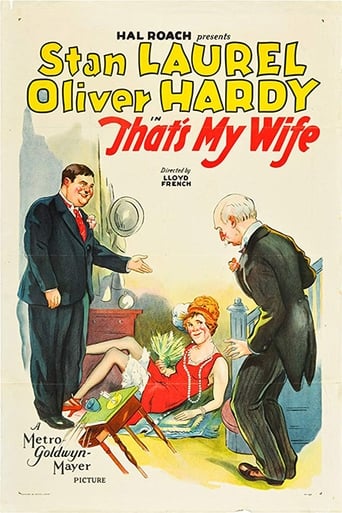
That's My Wife
1929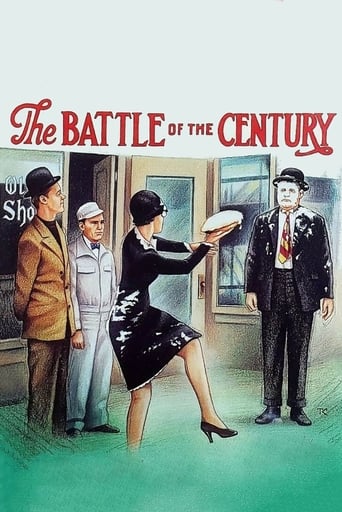
The Battle of the Century
1927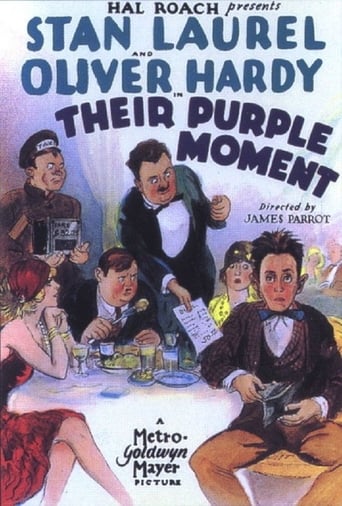
Their Purple Moment
1928
Wandering Papas
1926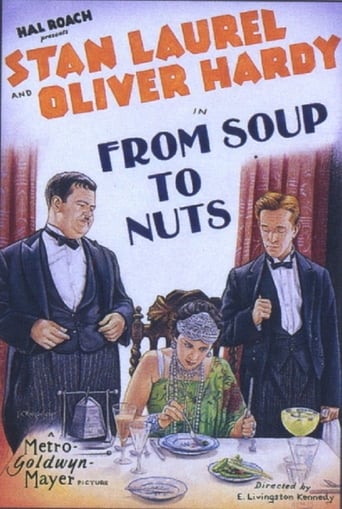
From Soup to Nuts
1928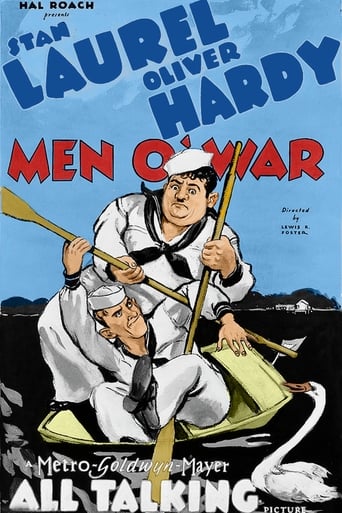
Men O' War
1929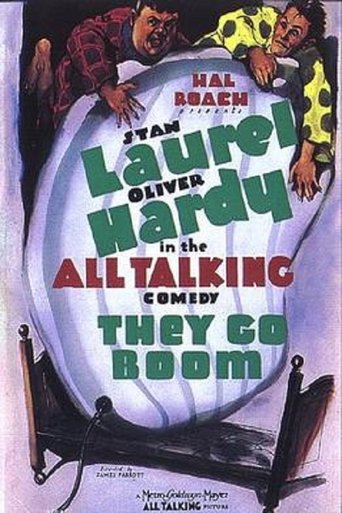
They Go Boom!
1929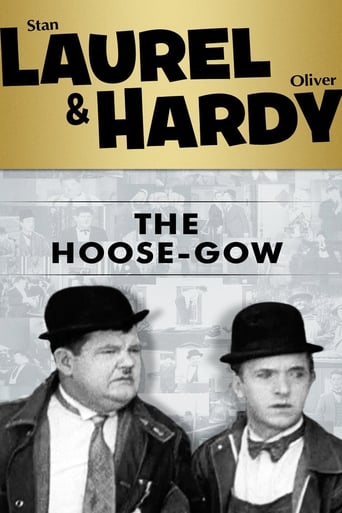
The Hoose-Gow
1929
Fluttering Hearts
1927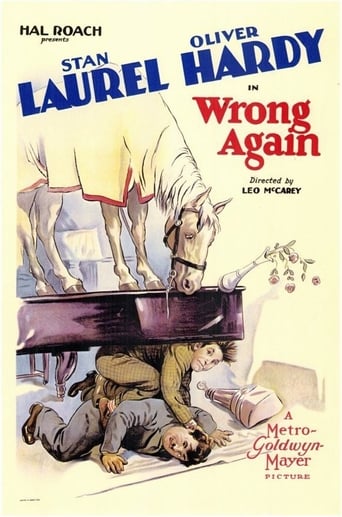
Wrong Again
1929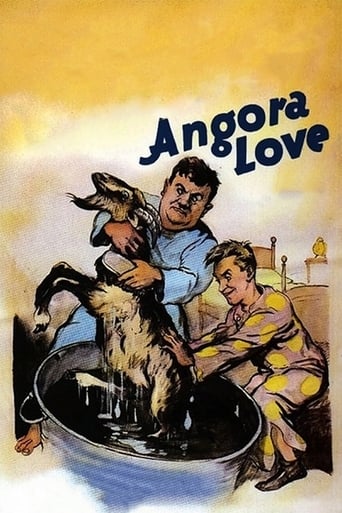
Angora Love
1929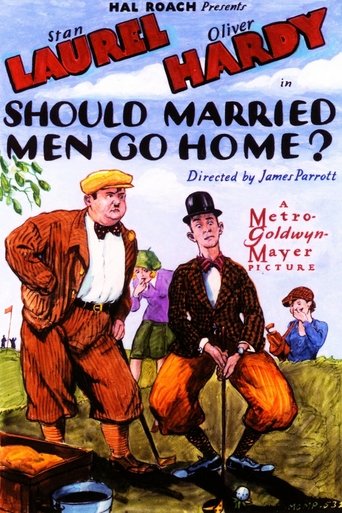
Should Married Men Go Home?
1928
The Candy Kid
1917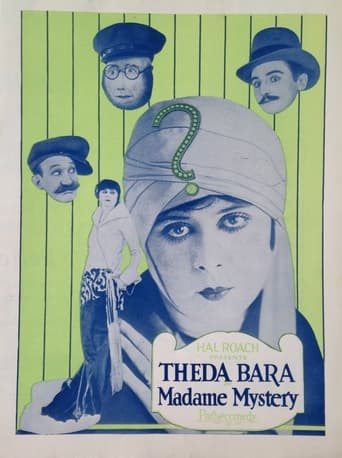
Madame Mystery
1926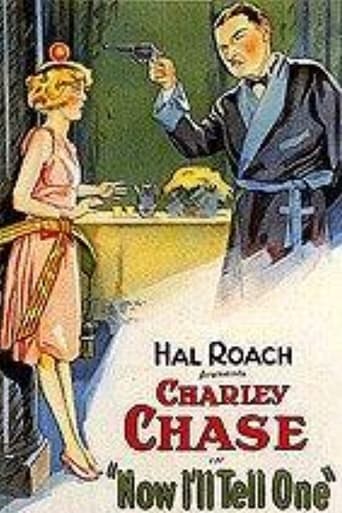
Now I'll Tell One
1927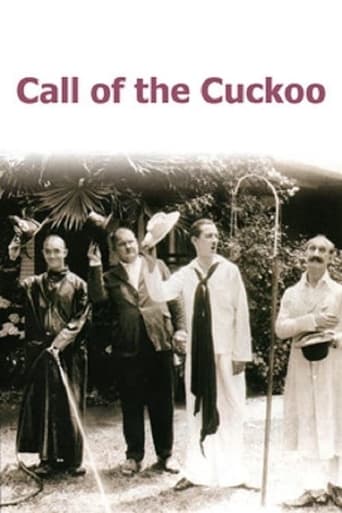
Call of the Cuckoo
1927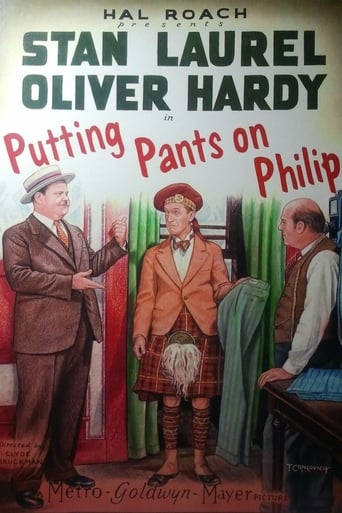
Putting Pants on Philip
1927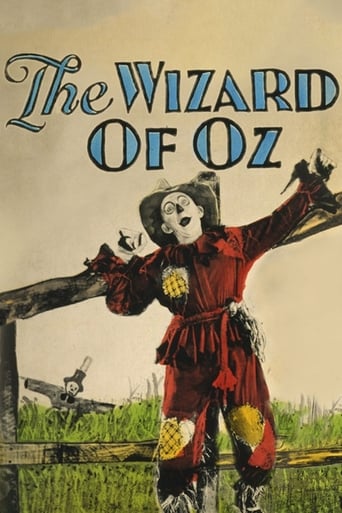
The Wizard of Oz
1925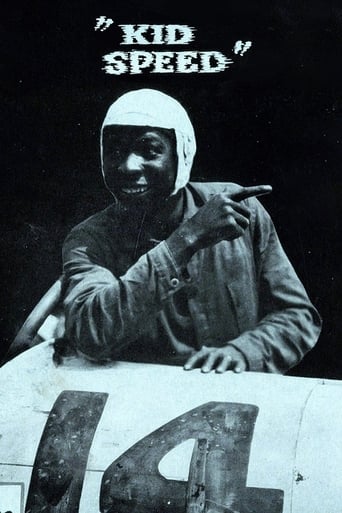
Kid Speed
1924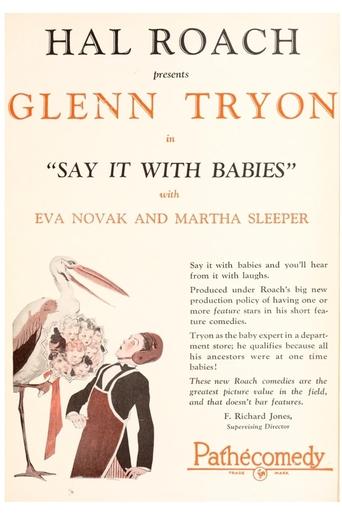
Say It with Babies
1926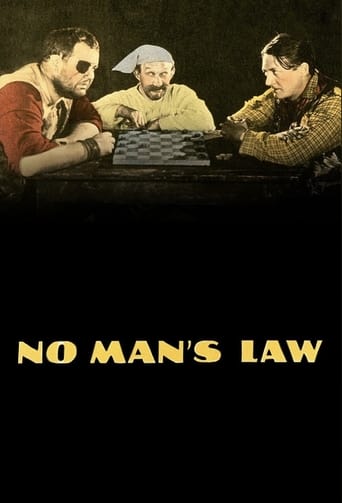
No Man's Law
1927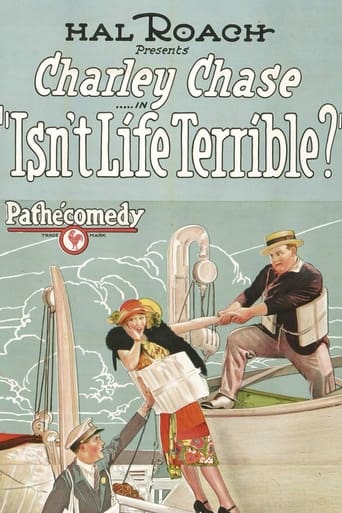
Isn't Life Terrible?
1925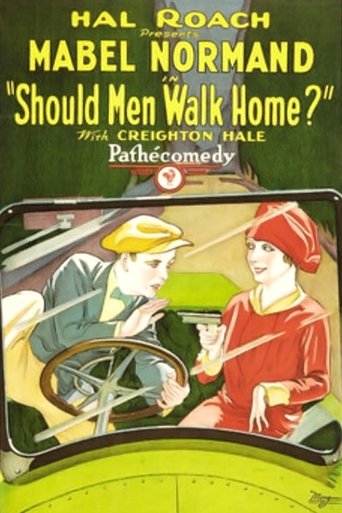
Should Men Walk Home?
1927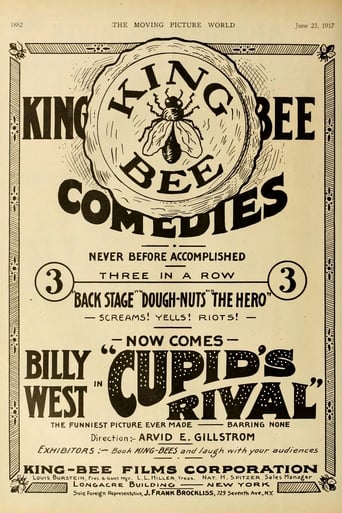
Cupid's Rival
1917
Why Girls Say No
1927
The Chief Cook
1917
The Sawmill
1922
The Show
1922
Sailors, Beware!
1927
One Too Many
1916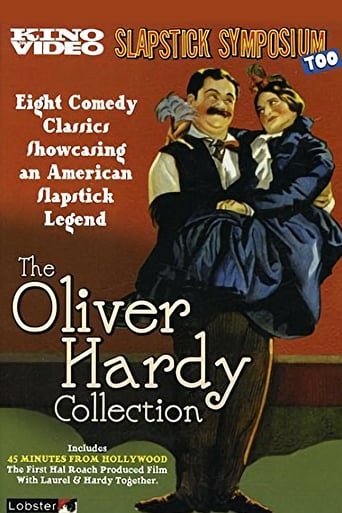
Stick Around
1925
He's In Again
1918
Hungry Hearts
1916
The Bakery
1921
The Battle Royal
1916
Married to Order
1920
The Hobo
1917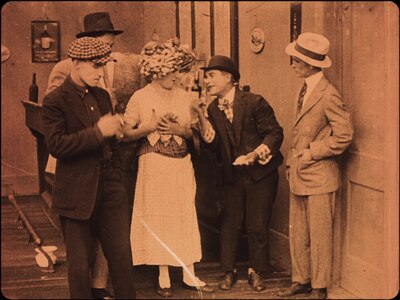
The Candy Trail
1916
A Lucky Strike
1915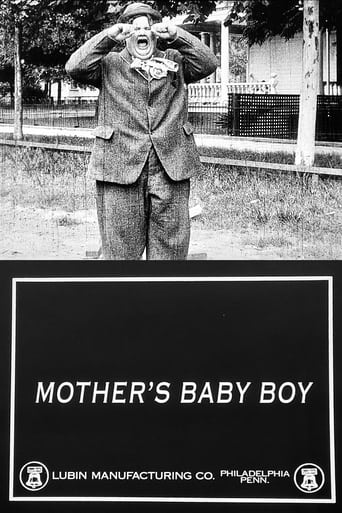
Mother's Baby Boy
1914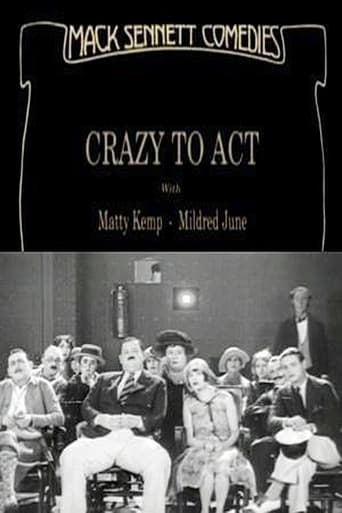
Crazy to Act
1927
The Nickel-Hopper
1926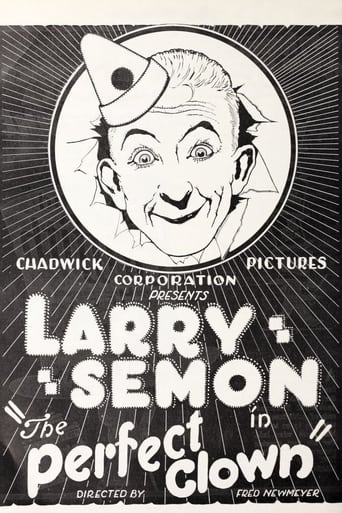
The Perfect Clown
1925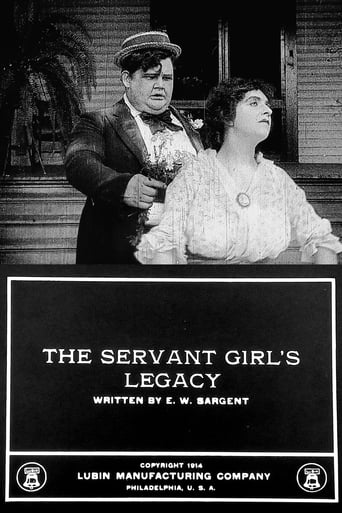
The Servant Girl's Legacy
1914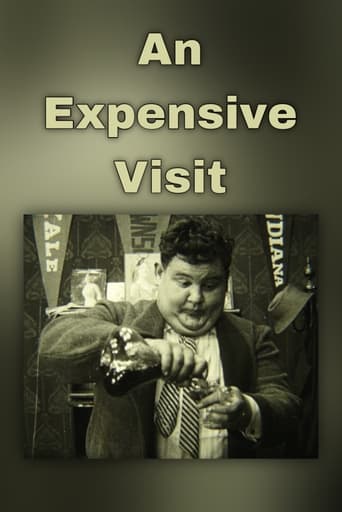
An Expensive Visit
1915
The Serenade
1916
The Hollywood Revue of 1929
1929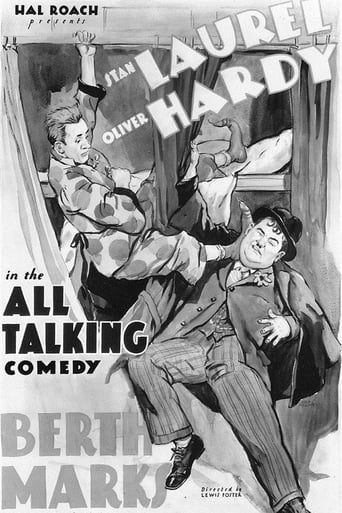
Berth Marks
1929
Rivals
1925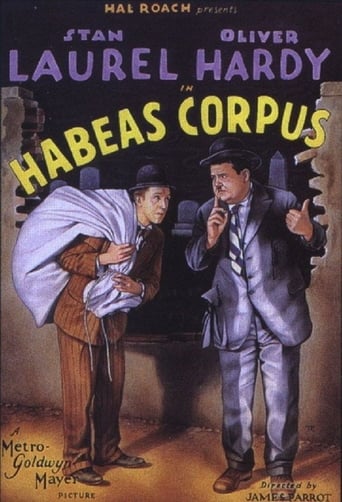
Habeas Corpus
1928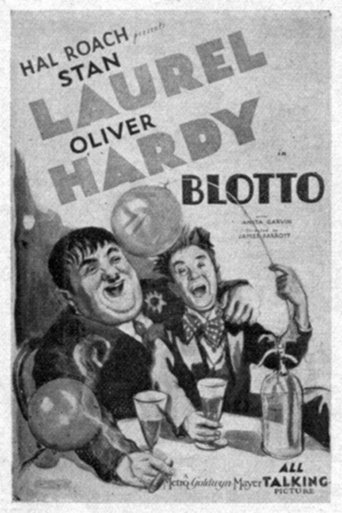
Blotto
1930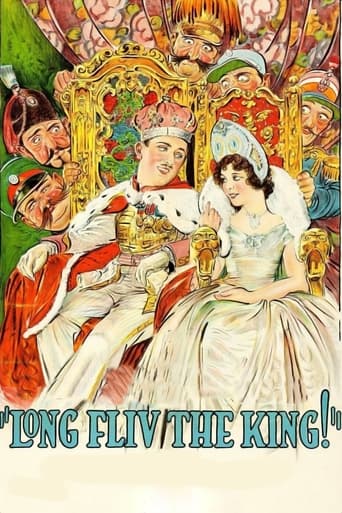
Long Fliv the King
1926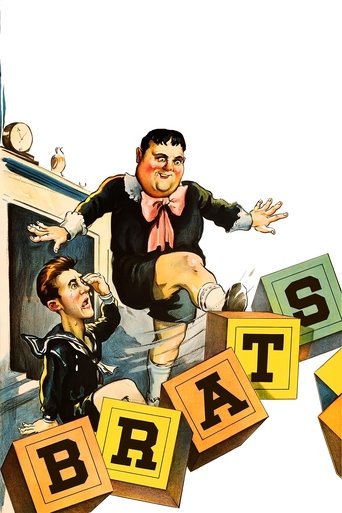
Brats
1930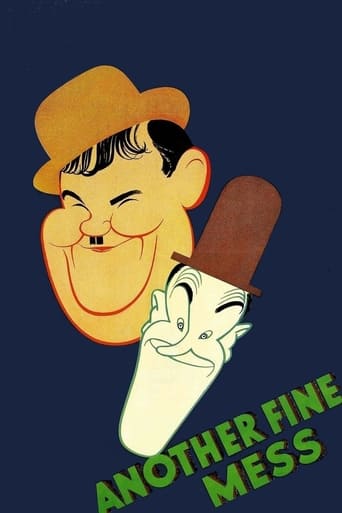
Another Fine Mess
1930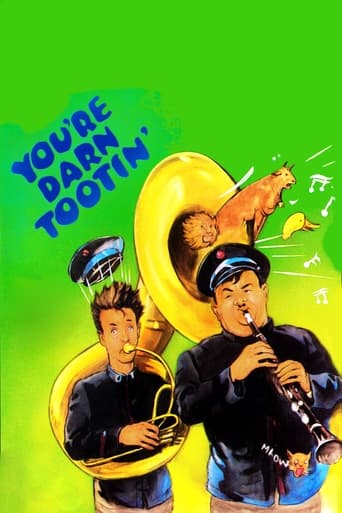
You're Darn Tootin'
1928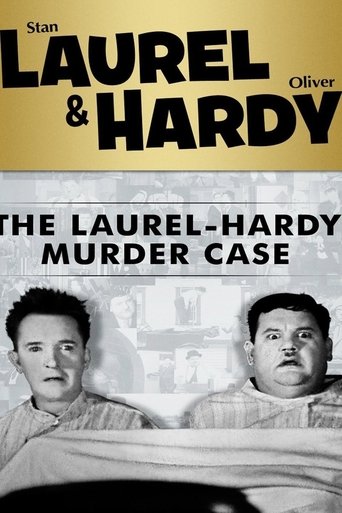
The Laurel-Hardy Murder Case
1930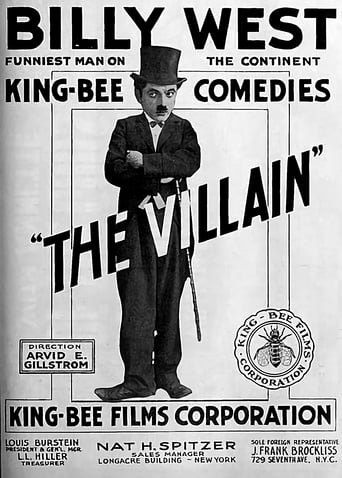
The Villain
1917
Lightning Love
1923
The Stranger
1918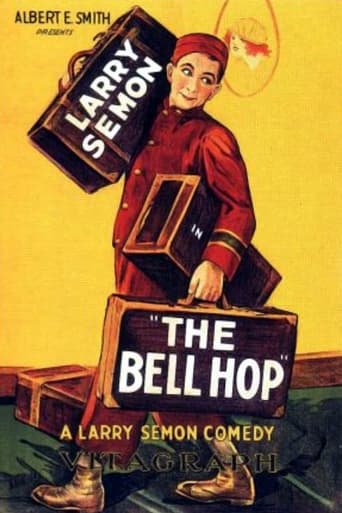
The Bell Hop
1921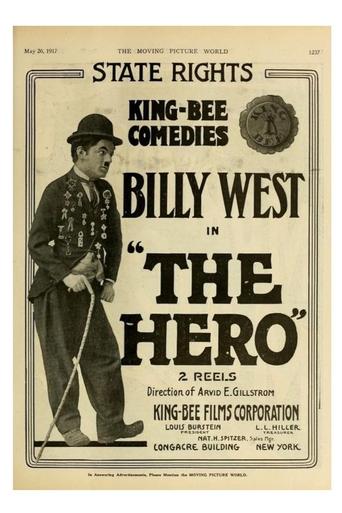
The Hero
1917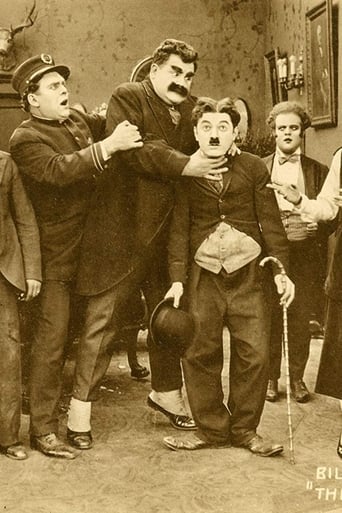
The Rogue
1918