

Charlie Chaplin
Actor & Director
Born: April 16, 1889 in London, England Died: December 25, 1977 Active: 1914-1967 Birth Name: Charles Spencer Chaplin
About Charlie Chaplin
Sir Charles Spencer 'Charlie' Chaplin was an English comic actor, filmmaker, and composer who rose to fame during the silent film era. Born into poverty in London, Chaplin began performing on stage at a young age before signing with the Keystone Studios in 1913, where he created his iconic Tramp character. He quickly became one of the most famous and highest-paid entertainers in the world, gaining unprecedented creative control over his films. Chaplin co-founded United Artists in 1919, giving him complete artistic freedom to produce, direct, write, and star in his own films. His most acclaimed works include 'The Kid' (1921), 'The Gold Rush' (1925), 'City Lights' (1931), and 'Modern Times' (1936). Despite the transition to sound films, Chaplin continued making silent films well into the sound era, only releasing his first true talkie, 'The Great Dictator' (1940), as a political satire. His later career was marked by political controversies and exile from the United States, though he continued making films in Europe and received an honorary Academy Award in 1972.
The Craft
On Screen
Chaplin's acting style combined physical comedy with pathos, creating a unique blend of slapstick and emotional depth. His Tramp character was defined by distinctive mannerisms including a waddling walk, cane twirling, and expressive facial features. He mastered the art of pantomime, conveying complex emotions through subtle gestures and facial expressions. His comedy often contained social commentary, using humor to critique poverty, industrialization, and social injustice.
Behind the Camera
As a director, Chaplin was a meticulous perfectionist known for shooting numerous takes to achieve precise comic timing and emotional impact. He maintained complete creative control over his films, often writing, directing, editing, and composing the music himself. His visual storytelling emphasized long takes and careful choreography, allowing his physical comedy to unfold naturally. Chaplin's films balanced comedy with social commentary, addressing themes of poverty, romance, and human dignity with both humor and sensitivity.
Milestones
- Created the iconic Tramp character in 1914
- Directed and starred in 'The Kid' (1921), considered a masterpiece of silent cinema
- Co-founded United Artists studio in 1919
- Made 'City Lights' (1931) and 'Modern Times' (1936) as silent films in the sound era
- Released controversial political satire 'The Great Dictator' (1940)
- Received honorary Academy Award in 1972 for lifetime achievement
- Knighted by Queen Elizabeth II in 1975
Best Known For
Iconic Roles
Must-See Films
Accolades
Won
- Academy Award for Best Original Score (Limelight, 1973)
- Academy Honorary Award (1972)
- Academy Award for Best Actor (The Great Dictator, 1941 - nomination)
- Academy Award for Best Original Screenplay (The Great Dictator, 1941 - nomination)
- Academy Award for Best Actor (The Great Dictator, 1940 - nomination)
- Academy Award for Best Writing (The Circus, 1929 - special award)
- Academy Award for Best Actor and Comedy Direction (The Circus, 1929 - special award)
- Jean Renoir Award for Lifetime Achievement (1972)
- Golden Lion for Lifetime Achievement (Venice Film Festival, 1972)
- BAFTA Fellowship (1976)
- Knighthood (1975)
Nominated
- Academy Award for Best Actor (The Great Dictator, 1941)
- Academy Award for Best Original Screenplay (The Great Dictator, 1941)
- Academy Award for Best Actor (Monsieur Verdoux, 1948)
- Academy Award for Best Original Screenplay (Monsieur Verdoux, 1948)
- Academy Award for Best Original Story (The Great Dictator, 1940)
- Academy Award for Best Original Screenplay (Limelight, 1953)
- Academy Award for Best Actor (Limelight, 1953)
- Golden Globe for Best Actor (Monsieur Verdoux, 1948)
- Golden Globe for Best Director (Monsieur Verdoux, 1948)
Special Recognition
- Hollywood Walk of Fame star (1970)
- AFI Life Achievement Award (1972)
- Knighthood by Queen Elizabeth II (1975)
- Time Magazine's 100 Most Important People of the 20th Century
- Inducted into the International Comedy Hall of Fame
- United Nations Peace Medal (1965)
Working Relationships
Worked Often With
Studios
Why They Matter
Impact on Culture
Charlie Chaplin revolutionized cinema by elevating film comedy to an art form capable of expressing profound social commentary and human emotion. The Tramp character became one of the most recognizable cultural icons worldwide, transcending language barriers and social classes. Chaplin's films addressed serious themes like poverty, industrialization, and war while maintaining broad popular appeal, demonstrating that comedy could be both entertaining and intellectually stimulating. His success as an independent filmmaker paved the way for future generations of artists to maintain creative control over their work. Chaplin's influence extended beyond cinema into politics, philosophy, and global popular culture, making him one of the first true international celebrities and cultural ambassadors.
Lasting Legacy
Chaplin's legacy encompasses his technical innovations in film comedy, his pioneering role as an independent filmmaker, and his lasting impact on popular culture. He established many cinematic techniques still used today, including the combination of comedy with pathos, the use of music to enhance emotional storytelling, and the concept of the filmmaker as a complete auteur. His films continue to be studied and celebrated for their artistic merit and social relevance. Chaplin's business model of maintaining creative control through independent production influenced countless filmmakers from Orson Welles to modern independent directors. The Tramp remains an enduring symbol of human dignity in the face of adversity, and Chaplin's work continues to inspire new generations of comedians, filmmakers, and artists.
Who They Inspired
Chaplin's influence on cinema is immeasurable, affecting virtually every aspect of film comedy and independent filmmaking. His physical comedy techniques influenced generations of performers from Buster Keaton to Jacques Tati, Rowan Atkinson, and Jim Carrey. His approach to combining humor with social commentary paved the way for satirical filmmakers like Stanley Kubrick, Woody Allen, and Mel Brooks. As an independent producer and director, Chaplin inspired the auteur theory and influenced filmmakers who sought creative control, including Charlie Kaufman, Quentin Tarantino, and Christopher Nolan. His musical compositions for his films demonstrated the importance of sound design in cinema, influencing composers like Bernard Herrmann and John Williams. Beyond film, Chaplin's political activism and artistic integrity influenced artists across all mediums who sought to use their work for social commentary.
Off Screen
Chaplin's personal life was marked by numerous marriages, relationships with younger women, and political controversies. He had a total of 11 children with three different wives and faced intense media scrutiny throughout his life. His political leanings toward socialism and criticism of American capitalism led to accusations of communist sympathies during the McCarthy era, resulting in his exile from the United States in 1952. Despite these controversies, Chaplin remained a beloved figure internationally and spent his final years in Switzerland with his fourth wife Oona O'Neill.
Education
Chaplin received very little formal education, attending school only sporadically during his childhood in London. He was sent to a workhouse at age 7 and later joined the Eight Lancashire Lads clog-dancing troupe, which served as his real education in performance. His mother, Hannah Chaplin, was a music hall performer who taught him about show business before her mental health declined. Chaplin was largely self-taught, learning filmmaking through hands-on experience at Keystone Studios and studying the techniques of other filmmakers.
Family
- Mildred Harris (1918-1921)
- Lita Grey (1924-1927)
- Paulette Goddard (1936-1942)
- Oona O'Neill (1943-1977)
Did You Know?
- Chaplin once entered a Charlie Chaplin look-alike contest and came in third place
- He was the first actor to appear on the cover of Time magazine in 1925
- His body was stolen from its grave in 1978 and held for ransom, recovered 11 weeks later
- Chaplin won an Oscar 20 years after 'Limelight' was released because it wasn't shown in Los Angeles until 1972
- He composed the music for all of his films from 1931 onward
- Albert Einstein was a close friend and frequent dinner guest at Chaplin's home
- Chaplin had a fear of being alone and always slept with a light on
- His net worth at the time of his death was estimated at $100 million (equivalent to over $400 million today)
- He was 5'5" tall but appeared taller on screen through clever camera techniques
- The Tramp character was created by accident when Chaplin mixed oversized pants, tiny shoes, and a bowler hat
- He received 12 Oscar nominations throughout his career
- Chaplin's film 'The Great Dictator' was Hitler's favorite film despite being a parody of him
- He spoke with a Cockney accent in real life, unlike the refined voice he used in 'The Great Dictator'
- Chaplin's mother was institutionalized for mental illness when he was young, deeply affecting his work
In Their Own Words
A day without laughter is a day wasted.
Life is a tragedy when seen in close-up, but a comedy in long-shot.
We think too much and feel too little.
In the end, everything is a gag.
I remain just one thing, and one thing only, and that is a clown. It places me on a far higher plane than any politician.
I have no further use for America. I wouldn't go back there if Jesus Christ was President.
The saddest thing I can imagine is to get used to luxury.
Movies are a fad. Audiences really want to see live actors on a stage.
I don't believe that the public knows what it wants; this is the conclusion that I have drawn from my career.
Failure is unimportant. It takes courage to make a fool of yourself.
Frequently Asked Questions
Who was Charlie Chaplin?
Charlie Chaplin was a legendary English comic actor, filmmaker, and composer who became one of the most iconic figures in cinema history. He created the beloved Tramp character and was a pioneer of silent film comedy, eventually co-founding United Artists to maintain creative control over his work. His films combined physical comedy with social commentary, making him both an entertainer and an artist who influenced generations of filmmakers.
What films is Charlie Chaplin best known for?
Chaplin is most famous for his silent comedy masterpieces including 'The Kid' (1921), 'The Gold Rush' (1925), 'City Lights' (1931), and 'Modern Times' (1936). His first true talkie, 'The Great Dictator' (1940), is also highly acclaimed for its political satire. Other notable films include 'The Circus' (1928), 'Monsieur Verdoux' (1947), and 'Limelight' (1952).
When was Charlie Chaplin born and when did he die?
Charlie Chaplin was born on April 16, 1889, in London, England, and died on December 25, 1977, in Vevey, Switzerland, at the age of 88. He lived through most of the 20th century and witnessed the entire evolution of cinema from its silent beginnings to the modern era.
What awards did Charlie Chaplin win?
Chaplin received numerous honors including three competitive Academy Awards and an honorary Oscar for lifetime achievement in 1972. He also won the Academy Award for Best Original Score for 'Limelight' (1973), received a knighthood from Queen Elizabeth II in 1975, and was honored with the BAFTA Fellowship and AFI Life Achievement Award. His film 'The Circus' won a special Academy Award in 1929.
What was Charlie Chaplin's acting/directing style?
Chaplin's acting style combined physical comedy with emotional depth, using pantomime and subtle gestures to convey complex feelings. His Tramp character was defined by distinctive mannerisms and a blend of humor with pathos. As a director, he was a meticulous perfectionist who maintained complete creative control, often shooting numerous takes and carefully choreographing scenes. His films balanced entertainment with social commentary, addressing themes of poverty, industrialization, and human dignity.
Why did Charlie Chaplin leave the United States?
Chaplin left the United States in 1952 after being accused of communist sympathies during the McCarthy era. While traveling to London for the premiere of 'Limelight,' his re-entry permit was revoked by the U.S. government. He faced intense scrutiny from the FBI and J. Edgar Hoover, who maintained a file on him for years. Chaplin chose to settle in Switzerland rather than face the political persecution in America, though he did return once in 1972 to receive his honorary Academy Award.
What was the Tramp character?
The Tramp, also known as 'The Little Fellow,' was Chaplin's most famous creation and one of cinema's most iconic characters. First appearing in 1914, the Tramp was a lovable vagrant with a bowler hat, cane, toothbrush mustache, and distinctive walk. Despite his poverty and misfortunes, the character maintained dignity and optimism, often helping others while getting himself into comedic situations. The Tramp appeared in dozens of Chaplin's films and became a global symbol of resilience and human kindness.
Learn More
Films
80 films
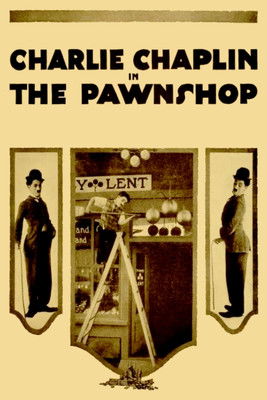
The Pawnshop
1916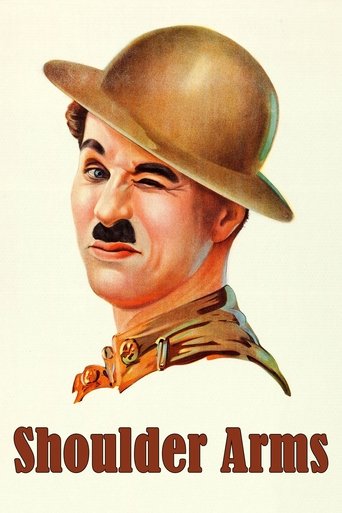
Shoulder Arms
1918
Making a Living
1914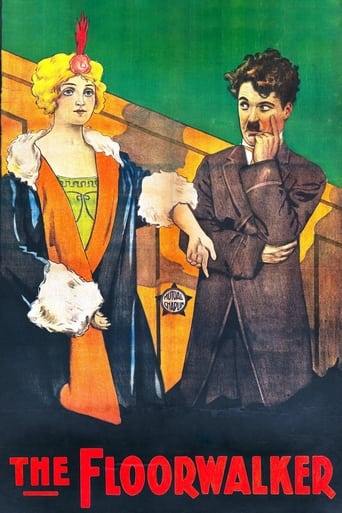
The Floorwalker
1916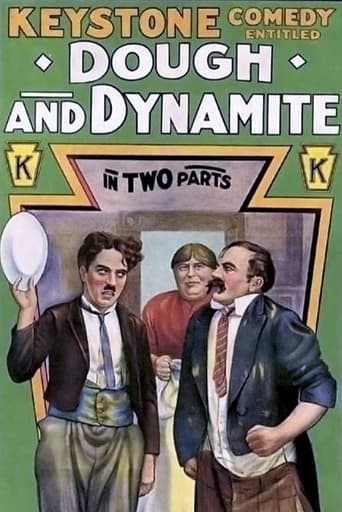
Dough and Dynamite
1914
His Prehistoric Past
1914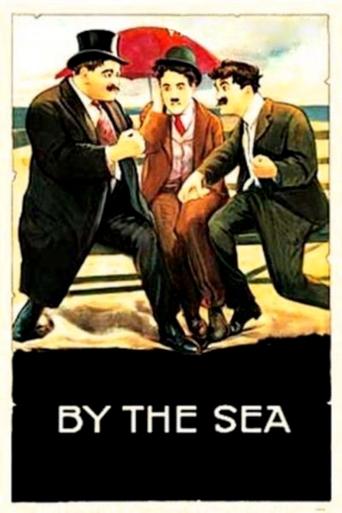
By the Sea
1915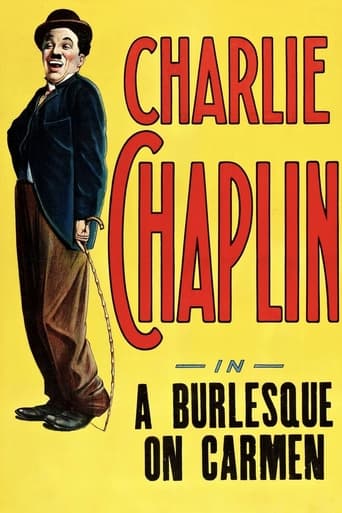
A Burlesque on Carmen
1915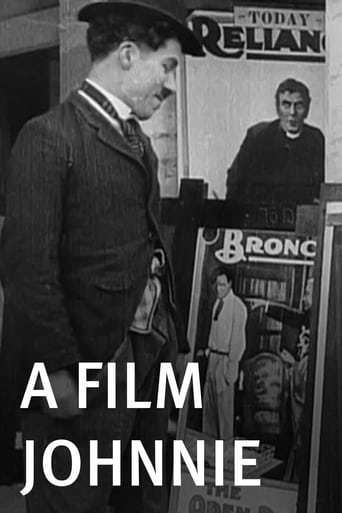
A Film Johnnie
1914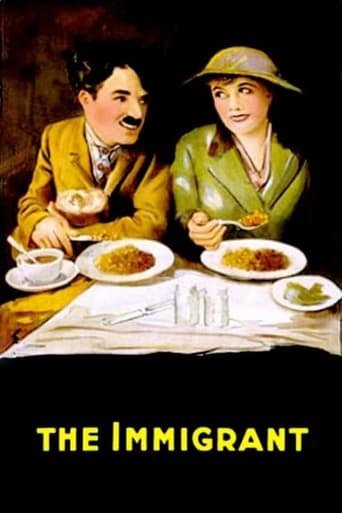
The Immigrant
1917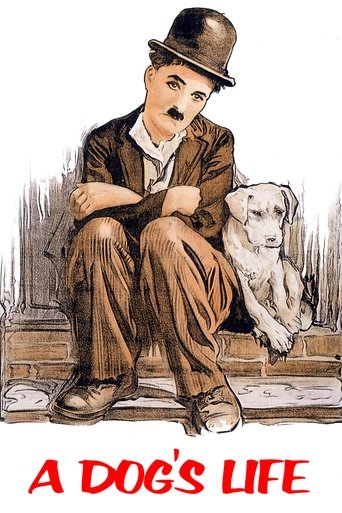
A Dog's Life
1918
Her Friend the Bandit
1914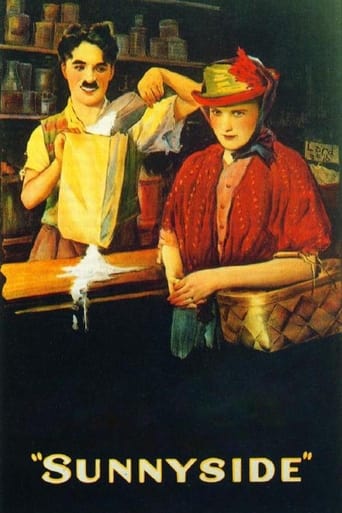
Sunnyside
1919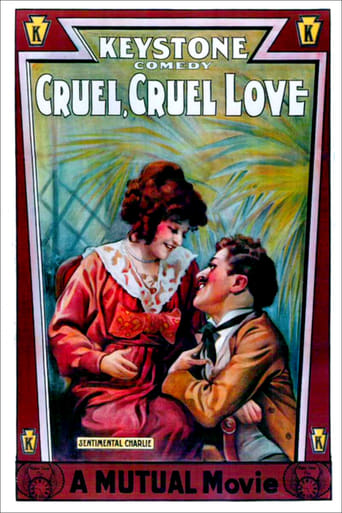
Cruel, Cruel Love
1914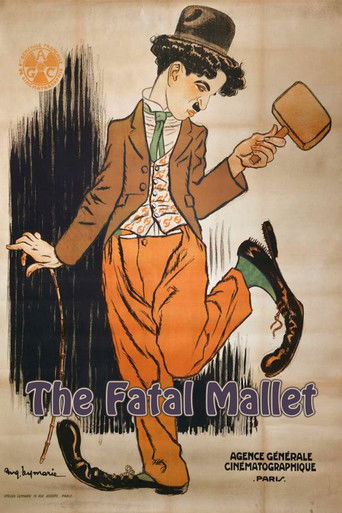
The Fatal Mallet
1914
The Cure
1917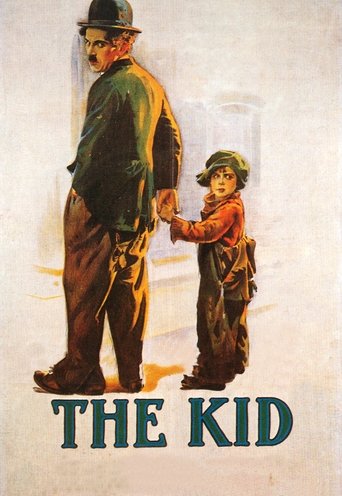
The Kid
1921
A Woman of Paris: A Drama of Fate
1923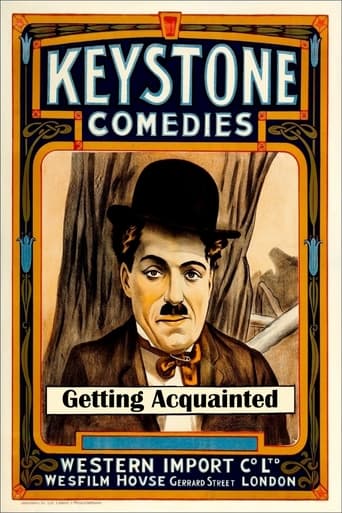
Getting Acquainted
1914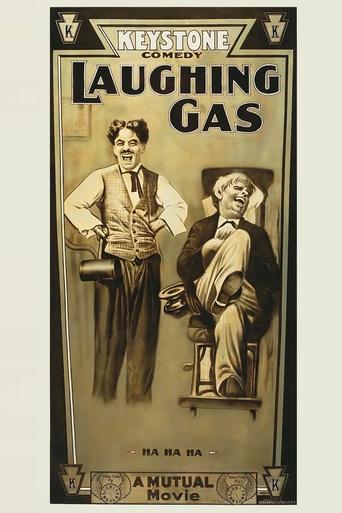
Laughing Gas
1914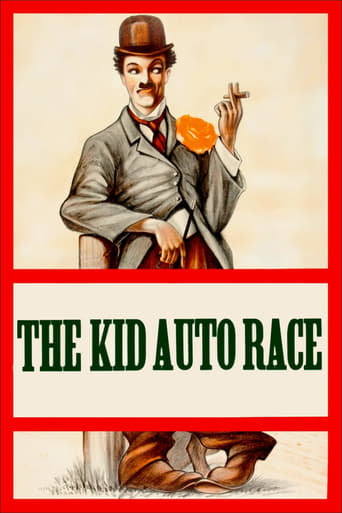
Kid Auto Races at Venice
1914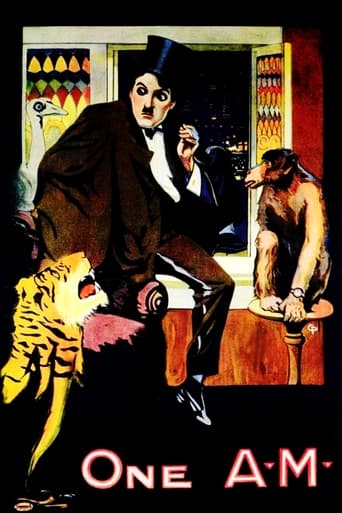
One A.M.
1916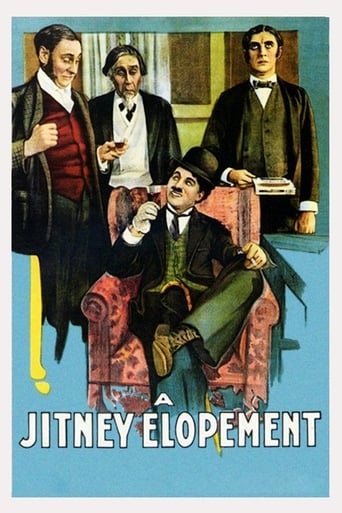
A Jitney Elopement
1915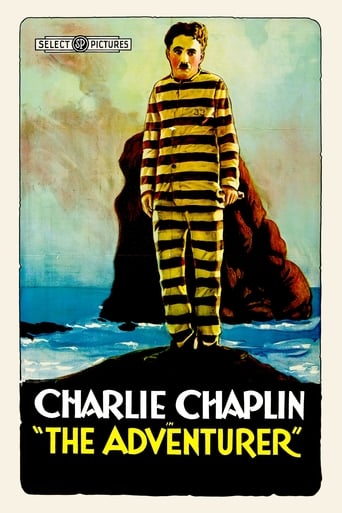
The Adventurer
1917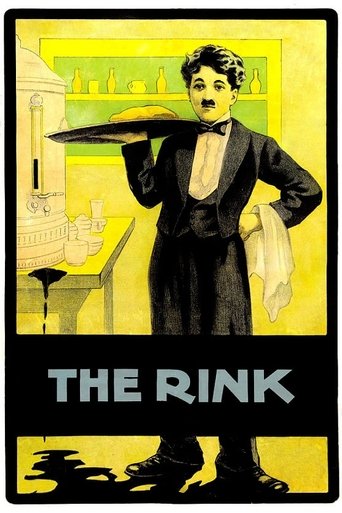
The Rink
1916
The Vagabond
1916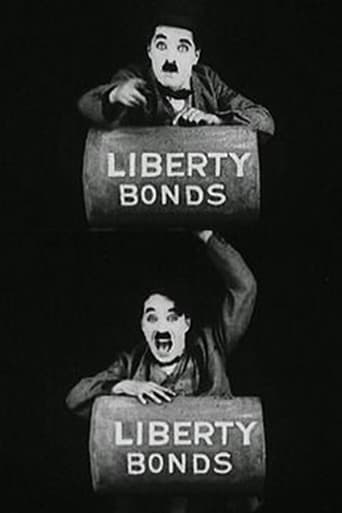
The Bond
1918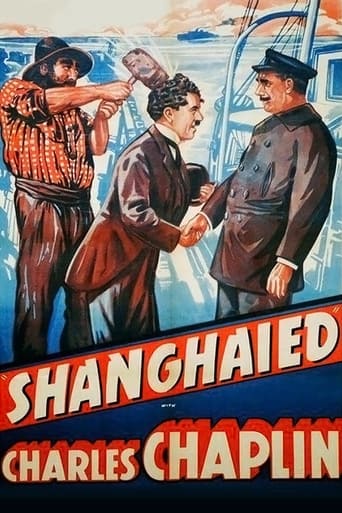
Shanghaied
1915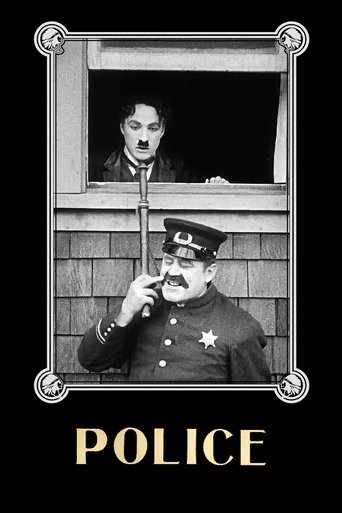
Police
1916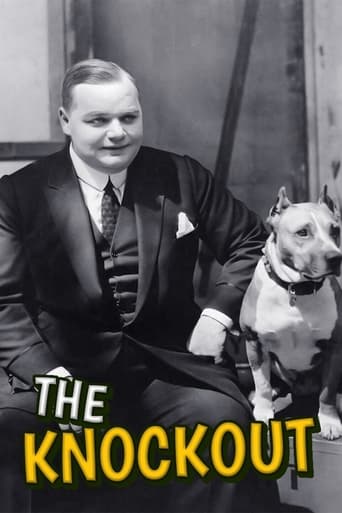
The Knockout
1914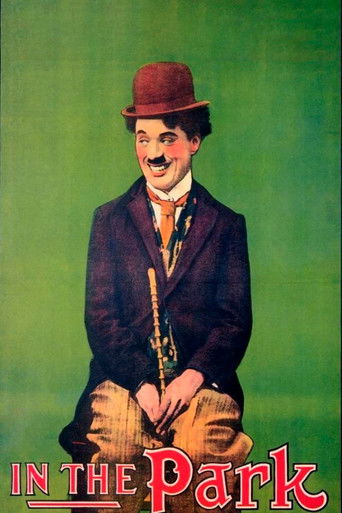
In the Park
1915
The Circus
1928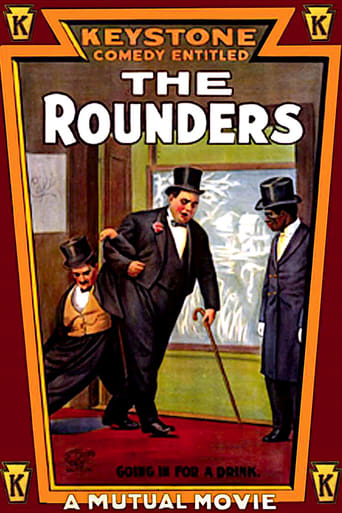
The Rounders
1914
Easy Street
1917
Triple Trouble
1918
A Day's Pleasure
1919
A Night in the Show
1915
Twenty Minutes of Love
1914
The Bank
1915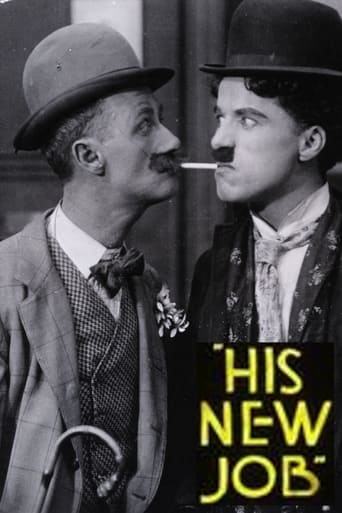
His New Job
1915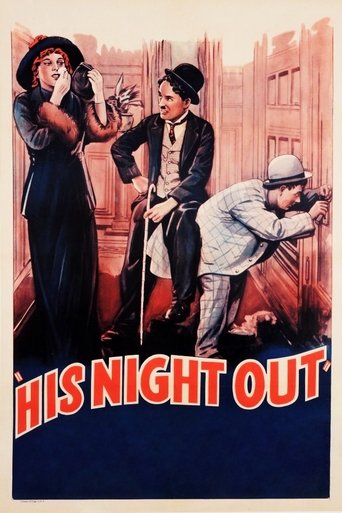
A Night Out
1915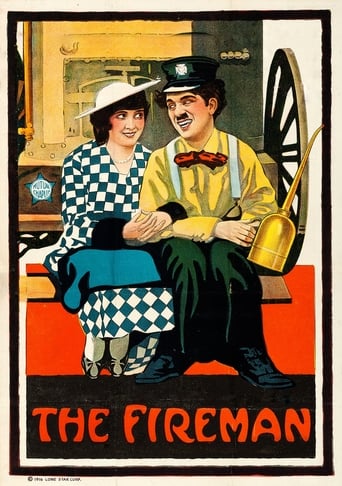
The Fireman
1916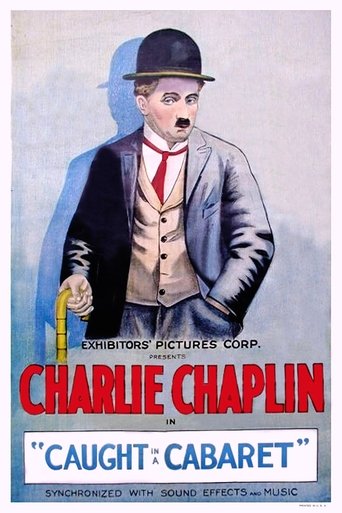
Caught in a Cabaret
1914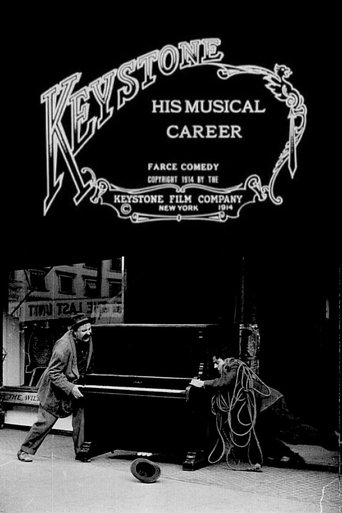
His Musical Career
1914
Caught in the Rain
1914
Mabel at the Wheel
1914
Mabel's Busy Day
1914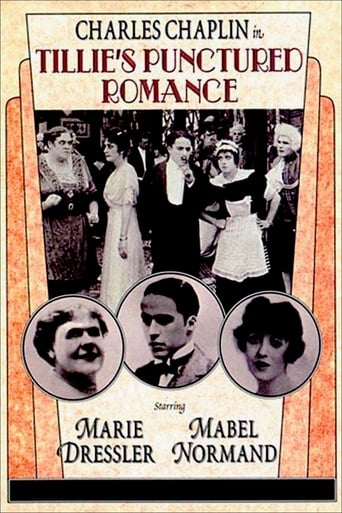
Tillie's Punctured Romance
1914
Tango Tangles
1914
Recreation
1914
Work
1915
Gentlemen of Nerve
1914
Those Love Pangs
1914
The Star Boarder
1914
Between Showers
1914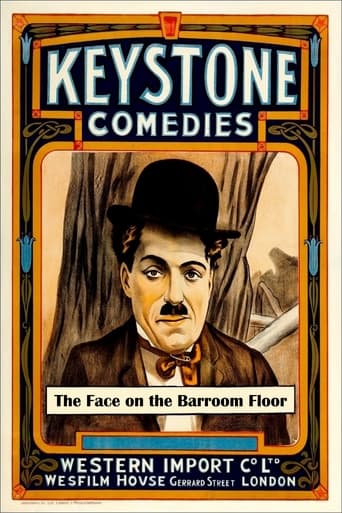
The Face on the Barroom Floor
1914
His Trysting Places
1914
The Property Man
1914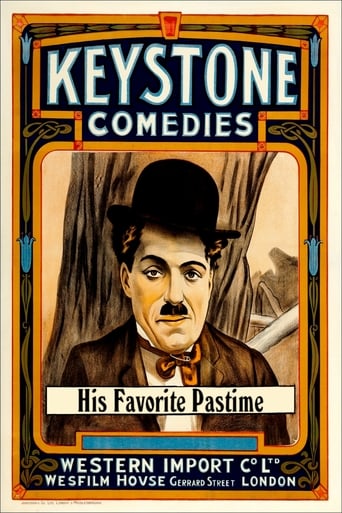
His Favorite Pastime
1914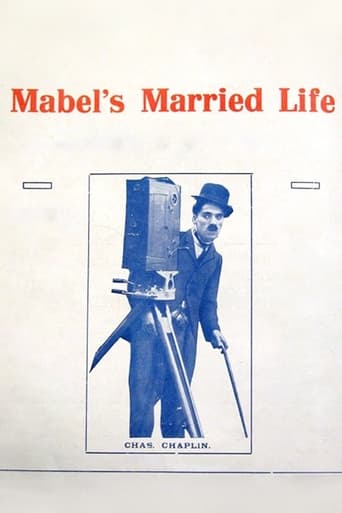
Mabel's Married Life
1914
A Woman
1915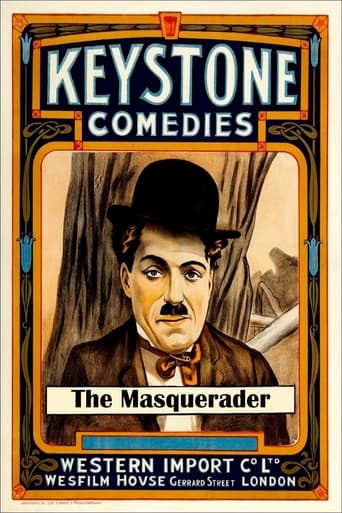
The Masquerader
1914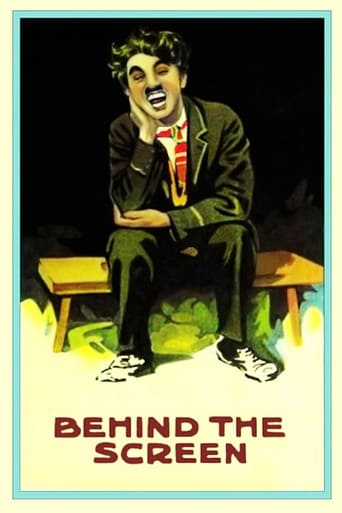
Behind the Screen
1916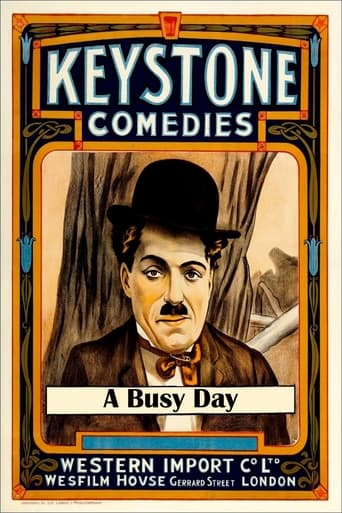
A Busy Day
1914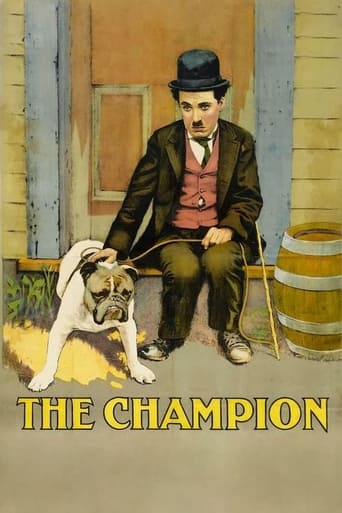
The Champion
1915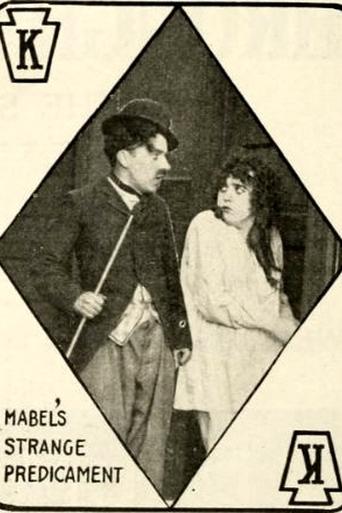
Mabel's Strange Predicament
1914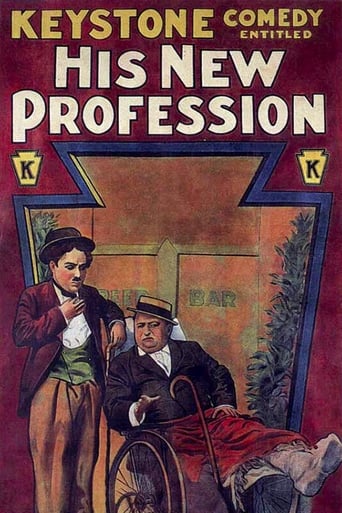
His New Profession
1914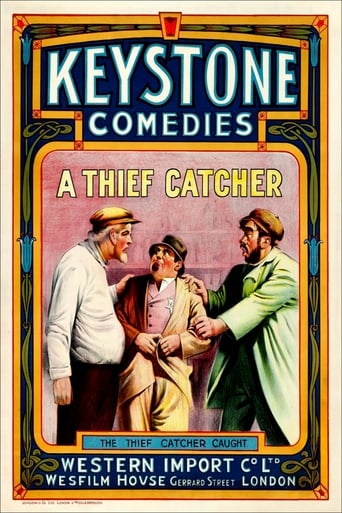
A Thief Catcher
1914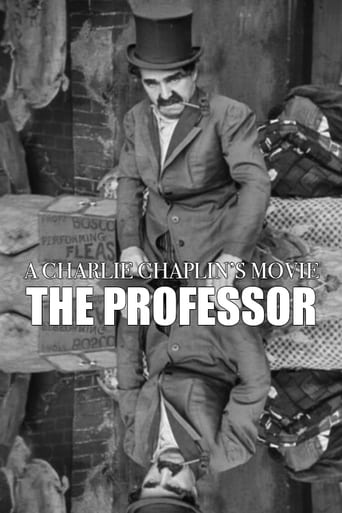
The Professor
1919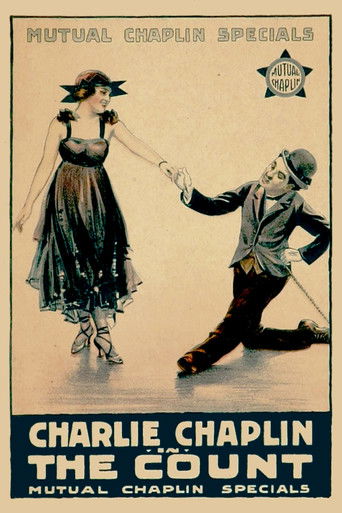
The Count
1916
His Regeneration
1915
How to Make Movies
1918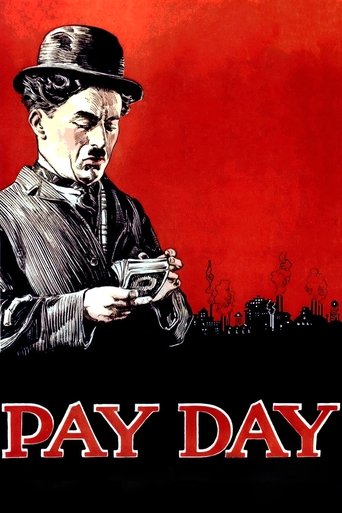
Pay Day
1922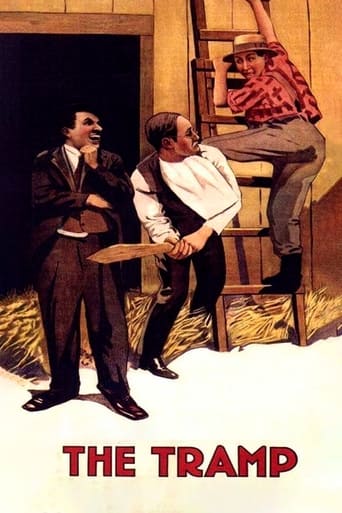
The Tramp
1915
The Idle Class
1921
The Pilgrim
1923
Seeing Stars
1922
Nice and Friendly
1922