

Keys: Space play/pause · ←/→ 10s · F fullscreen · M mute · </> speed
Plot
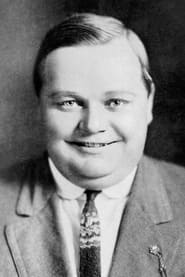
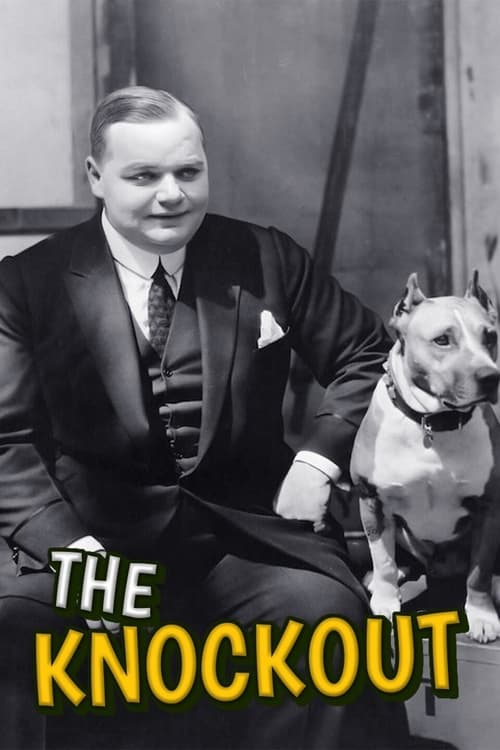
In this classic Keystone comedy, Pug (Roscoe 'Fatty' Arbuckle), a clumsy but good-hearted man, decides to prove his bravery to his girlfriend (Minta Durfee) by challenging the local boxing champion to a fight. The champion, a formidable boxer played by Edgar Kennedy, accepts the challenge, setting up an epic mismatch. Charlie Chaplin appears as the referee, desperately trying to maintain order while avoiding physical contact with the two massive fighters. The boxing match descends into chaotic slapstick comedy as Pug uses his bulk and unorthodox methods to somehow hold his own against the trained boxer. The film culminates in a wild free-for-all that destroys the boxing ring and sends everyone running for cover.
About the Production
Release Date June 11, 1914
Box Office Unknown - but highly successful as part of Keystone's profitable comedy slate
Production Keystone Studios, Mack Sennett Comedies
Filmed In Los Angeles, California, Keystone Studios, Edendale
Filmed in a single day as was typical for Keystone comedies of this period. The boxing ring was constructed specifically for this film and destroyed during the chaotic finale. This was one of the few films where Chaplin played a supporting role rather than the lead, as he was still establishing himself at Keystone.









Themes & Topics
Historical Background
1914 was a pivotal year in cinema history, occurring just as the feature film was beginning to eclipse short comedies in popularity. The film industry was rapidly transitioning from New York to Hollywood, with Keystone Studios being one of the pioneering companies in Los Angeles. World War I had just begun in Europe, though America remained neutral, allowing the film industry to continue its rapid growth. This period saw the establishment of many comedy tropes and techniques that would define silent comedy for the next decade. The boxing theme was particularly relevant as boxing was gaining mainstream acceptance as a legitimate sport in America.
Why This Film Matters
'The Knockout' represents an important milestone in the development of American comedy cinema. It showcases the collaborative genius of Keystone Studios, bringing together three comedy legends - Arbuckle, Chaplin, and Kennedy - before they became individual stars. The film helped establish the sports comedy as a viable genre and demonstrated how physical comedy could be structured around a narrative framework. Its success contributed to the popularity of the two-reel comedy format and influenced countless future boxing comedies. The film also illustrates the transition period in comedy from purely anarchic slapstick to more character-driven humor.
Making Of
The production of 'The Knockout' was typical of Keystone's factory-like approach to comedy filmmaking in 1914. Mack Sennett, known as the 'King of Comedy', demanded rapid production schedules, and this two-reel comedy was likely filmed in just one or two days. Roscoe Arbuckle, despite his massive size, was incredibly agile and performed most of his own physical comedy. The boxing sequences required careful choreography to ensure safety while maintaining the appearance of chaos. Charlie Chaplin, still relatively new to films and not yet the superstar he would become, took the supporting role of the referee. This decision showed Sennett's willingness to experiment with casting and character types. The film's success helped cement the combination of sports and comedy as a profitable formula for Keystone.
What Critics Said
Contemporary reviews in trade publications like Variety and The Moving Picture World praised the film's energetic comedy and the physical prowess of its performers. Critics particularly noted the novelty of combining boxing with comedy and applauded Chaplin's performance as referee. Modern film historians consider 'The Knockout' an important example of early American comedy, noting its historical value as a document of multiple comedy legends working together. The film is often cited in studies of Keystone Studios' output and the development of slapstick comedy techniques.
Did You Know?
- This film features one of Charlie Chaplin's earliest screen appearances, playing a referee rather than his iconic Tramp character
- The boxing match was choreographed with real boxing techniques mixed with slapstick elements
- Roscoe Arbuckle performed many of his own stunts despite his considerable size
- The film was so popular that it inspired a sequel 'The Masquerader' later that year
- Edgar Kennedy, who plays the champion, would later become famous for his 'slow burn' comedy style
- Minta Durfee was actually married to Roscoe Arbuckle in real life during filming
- The destruction of the boxing ring in the finale was completely real, not special effects
- This was one of the first films to combine boxing with comedy, creating a new subgenre
- The referee character played by Chaplin was a rare instance of him playing a straight man role
- Keystone studios used the same destroyed ring set pieces in several other comedies to save money
More film details Visual style, music, quotes, restoration, and more
Visual Style
The cinematography, typical of Keystone productions of 1914, was straightforward and functional, designed primarily to clearly capture the physical comedy. The camera was positioned at a fixed distance for most scenes, allowing the full range of the actors' movements to be visible. The boxing sequences used wider shots to establish the space and medium shots for the comedy beats. No special camera techniques were employed, as the focus was on the performers rather than visual experimentation. The lighting was natural and consistent, typical of indoor studio filming of the era.
Innovations
While not technically innovative, 'The Knockout' demonstrated Keystone's mastery of comedy timing and physical comedy choreography. The film's boxing sequences required precise timing between multiple performers and showed advanced understanding of comedic pacing. The destruction of the boxing ring set was accomplished through practical effects that looked convincing on camera. The film also demonstrated effective use of the two-reel format to develop a complete comedy narrative with setup, complication, and resolution.
Music
As a silent film, 'The Knockout' would have been accompanied by live musical performance during theatrical exhibition. The typical score would have included popular songs of the era, classical pieces, and specially composed cues for dramatic moments. For boxing scenes, theaters often used marches or energetic ragtime pieces. No specific composed score exists for this film, as was common for comedies of this period, leaving musical choices to individual theater musicians or accompanists.
Famous Quotes
As a silent film, dialogue was conveyed through intertitles. Key intertitles included: 'Pug challenges the Champion!' and 'The referee tries to keep order!'
Memorable Scenes
- The chaotic boxing match where Arbuckle uses his bulk to accidentally defeat the champion, culminating in the complete destruction of the ring and all participants fleeing the scene
What Audiences Thought
The film was enormously popular with audiences of 1914, who were delighted by the combination of sports action and slapstick comedy. Theater owners reported strong attendance and enthusiastic audience reactions, with laughter throughout the boxing sequences. The film's success led to increased demand for both Arbuckle and Chaplin pictures. Contemporary audience members particularly enjoyed the spectacle of the massive Arbuckle performing athletic comedy and the novelty of seeing Chaplin in a supporting role. The film played well across America and was also successful in international markets.
Film Connections
Influenced By
- Earlier Keystone comedies
- Vaudeville boxing sketches
- Stage comedy traditions
- Mack Sennett's comedy formula
This Film Influenced
- Later boxing comedies
- The Battling Butler (1926)
- The Kid Brother (1927)
- Modern sports comedy films
Film Restoration
The film survives in complete form and has been preserved by film archives. It is available through various public domain sources and has been included in DVD collections of early comedy films. The surviving prints show some deterioration typical of films of this era but remain watchable.
Where to Watch
- Internet Archive (public domain)
- YouTube (various uploads)
- Early comedy DVD collections
- Silent film streaming services
- Film archive screenings