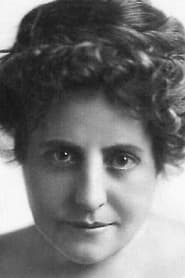
Alice Davenport
Actor
Born: February 29, 1864 in New York City, New York, USA Died: June 24, 1936 Active: 1913-1922 Birth Name: Alice Rosetta Shepphard
About Alice Davenport
Alice Davenport was an American actress of the silent film era who made significant contributions to early Hollywood comedy. Born Alice Rosetta Shepphard, she began her career on the theatrical stage before transitioning to motion pictures in 1913. Davenport became a regular performer at Keystone Studios, where she appeared in numerous Mack Sennett comedies and worked alongside emerging comedy stars like Charlie Chaplin. She notably appeared in Chaplin's film debut 'Making a Living' (1914) and the groundbreaking feature-length comedy 'Tillie's Punctured Romance' (1914). Throughout her nine-year film career, she appeared in over 100 productions, typically playing matronly roles as mothers, aunts, or other character parts. Davenport retired from films in 1922 as the industry was transitioning to sound technology, and she lived a relatively quiet life until her death in 1936 at age 72.
The Craft
On Screen
Davenport specialized in character roles with a background in stage acting, bringing expressive physical comedy to her matronly roles in silent films. Her theatrical training translated well to the broad gestures and exaggerated expressions required in Keystone productions. She had a natural comic timing that made her an effective supporting player in ensemble comedies, often serving as the straight-woman or comic foil to younger performers. Her style was perfectly suited to the fast-paced, physical humor that defined Mack Sennett's productions.
Milestones
- Appeared in Charlie Chaplin's film debut 'Making a Living' (1914)
- Regular performer at Keystone Studios under Mack Sennett
- Featured in 'Tillie's Punctured Romance' (1914), one of the first feature-length comedies
- Appeared in over 100 films during her nine-year career
- Part of the original ensemble that developed American slapstick comedy
Best Known For
Iconic Roles
Must-See Films
Working Relationships
Worked Often With
Studios
Why They Matter
Impact on Culture
Alice Davenport played an important role in the development of American silent comedy during its formative years. As part of the Keystone Studios ensemble, she helped establish the tropes, techniques, and visual language of slapstick comedy that would influence generations of comedians and filmmakers. Her work with Charlie Chaplin in his earliest films places her at the foundation of one of cinema's most legendary careers, making her an indirect contributor to the development of cinematic comedy as an art form. The matronly character types she helped popularize became staples of comedy films throughout the silent era and beyond.
Lasting Legacy
Though not as widely remembered as some of her contemporaries, Alice Davenport's extensive body of work represents an important part of early American cinema history. Her numerous appearances in Keystone comedies helped establish the studio's reputation for innovative slapstick humor and contributed to the development of ensemble comedy in film. She represents the many talented character actors who were essential to the success of early films but whose names have faded from popular memory. Film historians and silent cinema enthusiasts recognize her as a significant contributor to the golden age of silent comedy.
Who They Inspired
As part of the pioneering Keystone troupe, Davenport contributed to the development of film comedy techniques that would become standard in the industry. Her work with early comedy pioneers like Mack Sennett and Charlie Chaplin helped shape the language of silent film comedy, influencing how physical humor and character dynamics would be portrayed in cinema for decades to come. Her matronly character roles helped establish archetypes that would be reused and refined by later comedians and filmmakers.
Off Screen
Alice Davenport came from a theatrical background and married fellow actor Harry Davenport in 1893. Their marriage lasted 23 years before ending in divorce in 1916. The couple had one daughter, Dorothy Davenport, who followed in her parents' footsteps to become a successful actress and screenwriter in Hollywood. The family represented a multi-generational involvement in the entertainment industry, with Alice working primarily in silent films, Harry becoming a prolific character actor in sound films, and Dorothy bridging both eras as an actress and later as a screenwriter and producer.
Education
Not specifically documented, but likely had theatrical training given her stage background before entering films
Family
- Harry Davenport (1893-1916, divorced)
Did You Know?
- Born on Leap Day (February 29), 1864, making her a leap year baby
- Appeared in Charlie Chaplin's very first film 'Making a Living' (1914)
- Was part of the original ensemble that developed the Keystone Cops routines
- Her daughter Dorothy Davenport became a prominent actress and screenwriter
- Her ex-husband Harry Davenport was a well-known character actor who appeared in 'Gone with the Wind'
- Often played mother or aunt roles despite being relatively young (in her 40s-50s)
- Made over 100 film appearances in less than a decade
- Retired from films just as the industry was transitioning to sound technology
- Came from a theatrical family background that spanned multiple generations
- Was one of the more mature actresses in the typically young Keystone ensemble
- Worked with virtually every major comedy star of the early silent era
- Her filmography includes many lost films, as many silent films have been destroyed or lost over time
In Their Own Words
No specific recorded quotes from Alice Davenport are widely documented, as was common for supporting actors of the silent era
Frequently Asked Questions
Who was Alice Davenport?
Alice Davenport was an American actress of the silent film era, best known for her work in Keystone comedies alongside Charlie Chaplin and other early comedy pioneers. She appeared in over 100 films between 1913 and 1922, typically playing matronly character roles in Mack Sennett productions.
What films is Alice Davenport best known for?
She is best known for appearing in Charlie Chaplin's debut film 'Making a Living' (1914), the groundbreaking feature 'Tillie's Punctured Romance' (1914), and numerous other Keystone comedies including 'Caught in a Cabaret' (1914), 'Caught in the Rain' (1914), and 'The Ragtime Band' (1913).
When was Alice Davenport born and when did she die?
Alice Davenport was born on February 29, 1864, in New York City, and died on June 24, 1936, in Los Angeles, California, at the age of 72. Her birth on Leap Day made her a leap year baby, celebrating her actual birthday only once every four years.
What awards did Alice Davenport win?
Alice Davenport did not receive any major recorded awards during her career, as she worked during the early years of cinema before most industry awards like the Academy Awards were established. Her contributions are recognized by film historians rather than through formal accolades.
What was Alice Davenport's acting style?
Davenport specialized in character roles with a background in stage acting, bringing expressive physical comedy to her matronly roles in silent films. Her style was well-suited to the broad gestures and slapstick humor of Keystone productions, where she often served as a comic foil or straight-woman to younger performers.
Was Alice Davenport related to other actors?
Yes, she was married to actor Harry Davenport from 1893 to 1916, and their daughter Dorothy Davenport became a successful actress and screenwriter in Hollywood. The family represented three generations of performers in the entertainment industry.
Why did Alice Davenport retire from films?
She retired around 1922, likely as the film industry was transitioning to sound technology and she was approaching her late 50s. The changing industry landscape and her age made her less in demand for the youthful ensemble comedies that had defined her career.
Learn More
Films
25 films
Mabel, Fatty and the Law
1915
Caught in a Cabaret
1914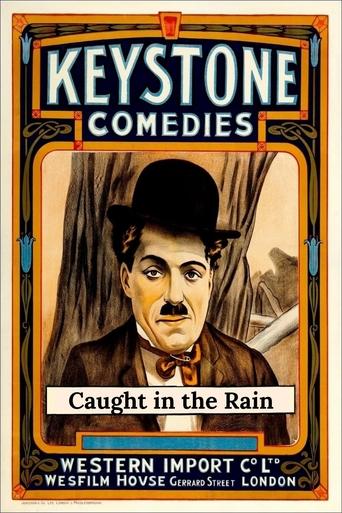
Caught in the Rain
1914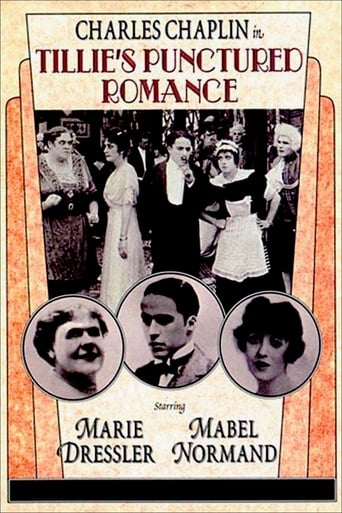
Tillie's Punctured Romance
1914
Gentlemen of Nerve
1914
The Star Boarder
1914
The Property Man
1914
Mabel's Married Life
1914
Mabel's Strange Predicament
1914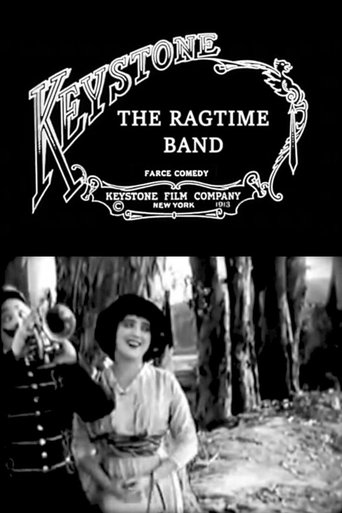
The Ragtime Band
1913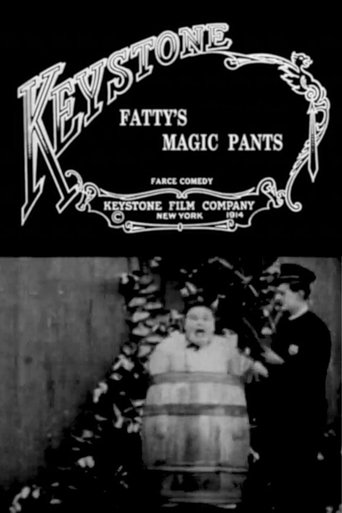
Fatty's Magic Pants
1914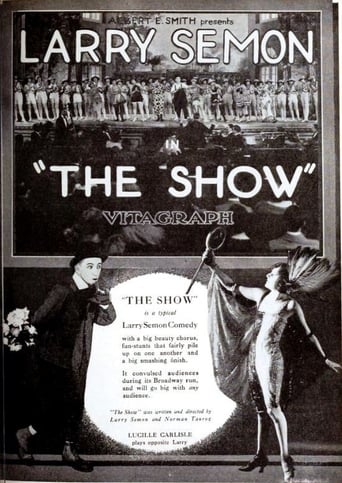
The Show
1922
That Little Band Of Gold
1915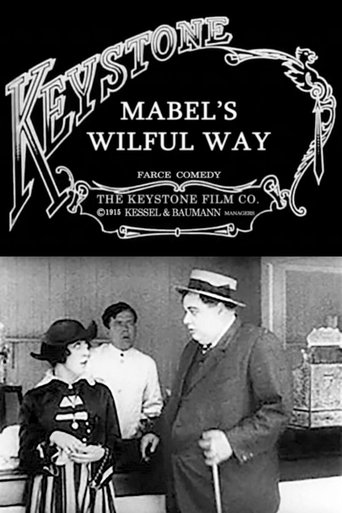
Mabel’s Wilful Way
1915
Mabel Lost and Won
1915
Those Country Kids
1914
Wife and Auto Trouble
1916
Wished on Mabel
1915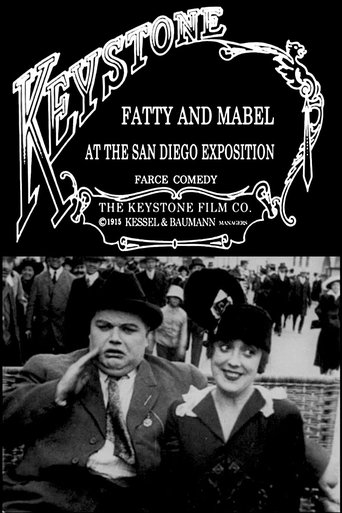
Fatty and Mabel at the San Diego Exposition
1915
Hello, Mabel
1914
Mabel and Fatty’s Married Life
1915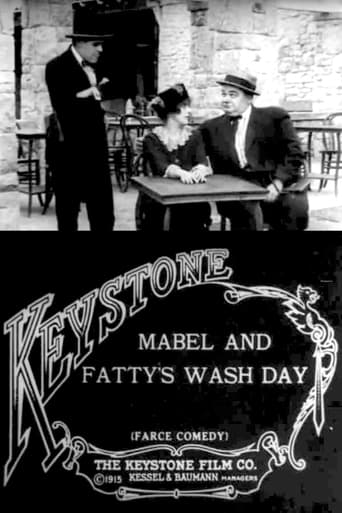
Mabel and Fatty's Wash Day
1915
A Bird's a Bird
1915