Keys: Space play/pause · ←/→ 10s · F fullscreen · M mute · </> speed
Plot
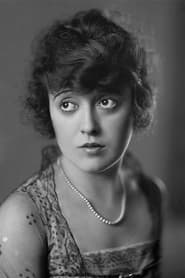
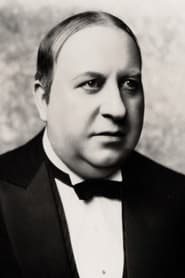
Hello, Mabel centers on a chaotic series of misunderstandings that arise when telephone lines get crossed between multiple households. Mabel Normand plays a young woman trying to conduct a romantic conversation over the phone, but her call keeps getting intercepted by other characters, including Mack Swain's character. The confusion escalates as different people pick up the phone, leading to mistaken identities, jealous confrontations, and classic Keystone slapstick chaos. The film culminates in a frantic race between the characters as they try to resolve the telephone-induced misunderstandings in person. This early comedy showcases the then-novel technology of telephones as a source of humor and confusion.
Director
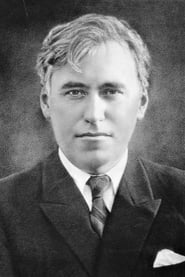 Mack Sennett
About the Production
Release Date March 1914 (some sources list February 1914)
Budget Not specifically recorded - typical Keystone shorts cost approximately $1,000-$2,000 to produce in 1914
Box Office Individual box office figures were not tracked for short films during this era - Keystone shorts were generally sold in packages to theaters
Production Keystone Film Company
Filmed In Keystone Studios, Edendale, California (now Echo Park, Los Angeles)
Filmed during Keystone's most prolific period when the studio was producing up to three shorts per week. The film utilized actual telephone props which were still relatively new technology in 1914, adding to the novelty for audiences. The production likely took only 1-2 days to shoot, typical for Keystone's rapid production schedule. The film features early examples of cross-cutting between different telephone conversations to build comedic tension.









Themes & Topics
telephonemistaken identitycrossed wiresslapstickchasemisunderstandingromancecomedy of errorsdomestic settingKeystone comedy
Historical Background
1914 was a pivotal year in cinema history, marking the transition from the early film era to the classical Hollywood period. The film industry was rapidly consolidating, with studios like Keystone establishing the factory-like production methods that would dominate Hollywood for decades. While World War I was erupting in Europe, American cinema was experiencing unprecedented growth and innovation. The feature film was beginning to emerge as the dominant format, but short comedies like 'Hello, Mabel' remained crucial to theater programming. This period saw the establishment of many film conventions, including star systems, genre formulas, and studio production methods. The telephone, central to the film's plot, represented the technological modernization of American society that cinema both reflected and celebrated.
Why This Film Matters
'Hello, Mabel' represents an important artifact of early American comedy cinema, showcasing the development of slap humor and the emerging star system. The film demonstrates how new technologies like the telephone were integrated into popular culture and became sources of comedy. Mabel Normand's performance exemplifies the significant role women played in early comedy, challenging gender norms of the period. The film is part of the Keystone legacy that established many comedy conventions still used today, including misunderstandings, mistaken identities, and escalating chaos. It also illustrates the American fascination with modern technology and the ways it complicated social interactions, themes that remain relevant in contemporary comedy.
Making Of
The production of 'Hello, Mabel' exemplified the Keystone Studios assembly-line approach to filmmaking. Mack Sennett, as both director and studio head, oversaw multiple productions simultaneously. The film was likely shot on the studio's backlot in Edendale, where Keystone had built various domestic sets that could be quickly redressed for different films. Mabel Normand, who had become Sennett's romantic partner as well as his biggest star, had significant creative input in her films. The telephone props used were authentic period pieces, as the studio prided itself on realistic details amid the slapstick chaos. The cast would rehearse briefly before shooting, with much of the comedy improvised on set. The film's rapid pace and multiple locations required careful planning of camera setups, as the studio typically worked with only one or two cameras per production.
What Critics Said
Contemporary reviews in trade publications like Variety and Moving Picture World generally praised the film's comedic energy and Mabel Normand's performance. Critics noted the clever use of telephone technology as a comedy device and the effective pacing of the gags. Modern film historians view the film as a representative example of Keystone's output during its peak period, noting its efficient construction and effective use of emerging comedy tropes. While not considered a masterpiece like some Chaplin or Keaton works, it's recognized for its historical value and as an example of early film comedy techniques. The film is often cited in studies of early telephone-themed cinema and the development of American slapstick comedy.
Did You Know?
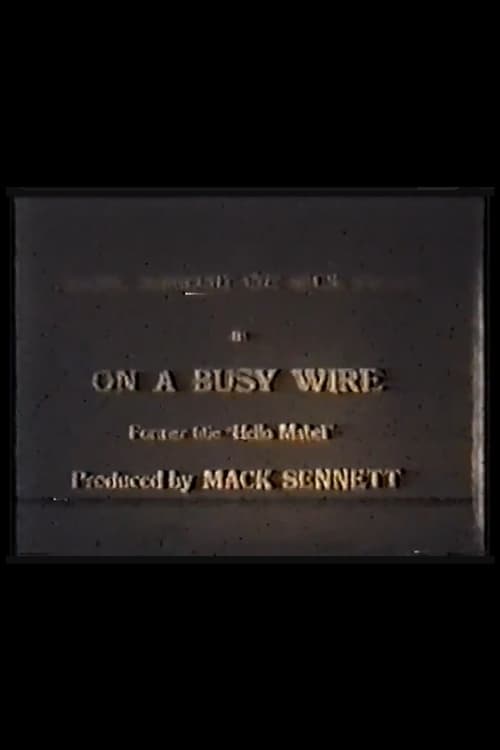
- The film is also known by the alternate title 'On a Busy Wire,' reflecting its telephone-based premise
- Mabel Normand was not only the star but also one of the highest-paid actresses in comedy at the time, earning $1,000 per week
- Keystone Studios was producing approximately 300 short films per year during this period
- The telephone was still a relatively new technology for many Americans in 1914, making films about phone confusion particularly relatable and novel
- Mack Sennett discovered Mabel Normand when she was working as a model for artist James Montgomery Flagg
- The film was released just months before Charlie Chaplin joined Keystone and began his film career
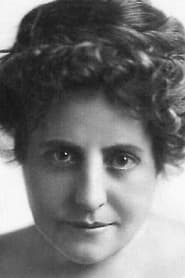
- Alice Davenport, who appears in the film, was a prolific character actress who appeared in over 200 films between 1911 and 1935
- Keystone's signature style of rapid-fire comedy and physical gags was perfected in films like this one
- The film was likely shot on 35mm film at approximately 16 frames per second, standard for the era
- Telephone-themed comedies became a small subgenre in early silent film, with Keystone producing several variations
More film details Visual style, music, quotes, restoration, and more
Visual Style
The cinematography by the Keystone camera department (individual cinematographers were rarely credited for shorts) employed static camera positions typical of the era, with careful composition to capture the physical comedy. The film used medium shots for dialogue scenes and wider shots for the physical gags, allowing the full action to be visible. Cross-cutting between different telephone conversations was innovative for the time, helping to build comedic tension. The lighting was naturalistic, utilizing the California sunlight that made the Los Angeles area attractive to early filmmakers. The camera work prioritized clarity of action over artistic flourishes, ensuring audiences could follow the increasingly complicated plot developments.
Innovations
While not groundbreaking in technical terms, 'Hello, Mabel' demonstrated Keystone's mastery of efficient production techniques. The film's use of cross-cutting between different locations was relatively sophisticated for a short comedy of its time. The production team effectively synchronized the physical comedy across multiple sets, requiring careful timing and coordination. The film also showcased early examples of continuity editing in comedy, ensuring that the increasingly complicated plot remained coherent to audiences. The telephone props and sound effects (created visually or through musical accompaniment) represented an early integration of technology into film comedy.
Music
As a silent film, 'Hello, Mabel' would have been accompanied by live musical performance during its original theatrical run. The typical Keystone score would have been provided by a house pianist or small theater orchestra, using popular songs of the era and classical pieces appropriate to the action. For telephone scenes, musicians might have used musical cues like the 'telephone' motif from classical pieces or popular songs about communication. The music would have been synchronized to enhance the comedy, with frantic tempos during chase sequences and romantic themes for Mabel's scenes. Modern restorations are typically accompanied by newly composed scores or period-appropriate music compiled by silent film accompanists.
Famous Quotes
(Silent film - no dialogue quotes, but intertitles would have included lines like 'Hello, is this you?' and 'Wrong number!')
Memorable Scenes
- The opening sequence where Mabel attempts to have a private conversation over the telephone, only to have multiple people accidentally join the call, leading to a cascade of confused reactions and misunderstandings that sets up the entire comedic premise
What Audiences Thought
Contemporary audiences responded enthusiastically to 'Hello, Mabel,' as evidenced by its inclusion in Keystone's distribution packages that were popular nationwide. The relatable premise of telephone confusion resonated with viewers experiencing similar technological changes in their own lives. Mabel Normand had developed a strong fan following, and her films consistently drew crowds. The film's rapid pace and physical comedy appealed to the diverse audiences of nickelodeons and early movie theaters. Modern audiences viewing the film at silent film festivals and in archival screenings appreciate its historical significance and find charm in its simple, effective comedy structure.
Film Connections
Influenced By
- French comedies of the early 1900s
- Vaudeville traditions
- Mack Sennett's earlier comedy shorts
- Stage farce traditions
- Commedia dell'arte archetypes
This Film Influenced
- Later telephone comedies of the 1920s
- Mabel Normand's subsequent starring vehicles
- Keystone's other technology-themed shorts
- Early sound comedies with telephone gags
Film Restoration
The film survives in various archives including the Library of Congress and the Museum of Modern Art. While complete prints exist, some versions show signs of nitrate deterioration common to films of this era. The film has been preserved on safety film and digitized by several film archives. Multiple versions of varying quality exist, reflecting the different distribution prints that were made for various markets. The film is part of the Keystone collection that has been extensively preserved due to its historical importance.
Where to Watch
- Available on various DVD collections of Keystone comedies
- Streaming on some classic film platforms specializing in silent cinema
- Can be viewed at film archives and museums with proper permissions
- Sometimes screened at silent film festivals with live accompaniment
- Available through some educational film databases