
André Deed
Actor & Director
Born: February 22, 1879 in Le Havre, France Died: October 4, 1940 Active: 1901-1924 Birth Name: Henri André Augustin Chapais
About André Deed
André Deed, born Henri André Augustin Chapais, was a pioneering French silent film comedian and director who rose to international fame in the early 20th century. Beginning his career as a stage performer in Paris music halls, he transitioned to cinema in 1901 and quickly became one of the first true film stars. Deed created his most famous character, 'Cretinetti' (known as 'Boireau' in France and 'Foolshead' internationally), whose bumbling adventures captivated audiences across Europe. He worked extensively with Georges Méliès in his early years before signing with Gaumont, where he became one of their most profitable stars. In the 1910s, he moved to Italy and worked with prestigious studios like Itala Film, commanding astronomical salaries that made him one of the highest-paid performers of his era. As the film industry evolved, Deed successfully transitioned into directing, creating sophisticated comedies that showcased his understanding of cinematic storytelling. His career effectively ended with the advent of sound films, as his highly physical style of comedy was less suited to the new medium, leaving him as a revered but somewhat forgotten pioneer of early cinema.
The Craft
On Screen
Deed's acting style was characterized by highly physical slapstick comedy, exaggerated facial expressions, and acrobatic movement. He employed a broad, theatrical approach that was perfectly suited to silent cinema's visual storytelling requirements. His performances featured elaborate pratfalls, comic timing, and the ability to convey complex emotions through gesture alone. Unlike some contemporaries, Deed's comedy was less about cruelty and more about the endearing nature of his bumbling characters.
Behind the Camera
As a director, Deed demonstrated a sophisticated understanding of film language, incorporating innovative camera techniques and complex narrative structures. His films often featured elaborate sets, special effects, and carefully choreographed action sequences. He had a particular talent for blending comedy with other genres, including science fiction and adventure, as evidenced in The Mechanical Man. His directing style showed influence from his work with Méliès, particularly in his use of visual trickery and fantastical elements.
Milestones
- Created the iconic character Cretinetti/Boireau/Foolshead
- Became one of Gaumont's biggest stars in the 1900s
- Commanded record-breaking salaries in Italy during the 1910s
- Successfully transitioned from acting to directing
- Worked with cinema pioneer Georges Méliès
- Starred in over 200 films during his career
- Directed the science fiction classic The Mechanical Man (1921)
Best Known For
Iconic Roles
Must-See Films
Accolades
Special Recognition
- Pioneer of Silent Film Comedy recognized by film historians
- Cretinetti character included in studies of early cinema icons
Working Relationships
Worked Often With
Studios
Why They Matter
Impact on Culture
André Deed was instrumental in establishing the language of film comedy during cinema's formative years. His Cretinetti character became an international phenomenon, demonstrating the global potential of film stardom before Hollywood's dominance. Deed's work helped establish physical comedy as a cornerstone of silent cinema, influencing generations of comedians who followed. His films were among the first to achieve genuine international distribution, with his character being known by different names across Europe but maintaining consistent appeal. Deed also contributed to the development of film grammar, particularly in how comedy could be constructed through visual means rather than dialogue.
Lasting Legacy
André Deed's legacy lies in his role as a pioneer of film comedy and one of the first true international movie stars. While largely forgotten by mainstream audiences, film historians recognize his crucial contribution to early cinema. The Cretinetti character remains a subject of academic study for its role in establishing comedic archetypes in film. His directorial work, particularly The Mechanical Man, is considered ahead of its time in its approach to science fiction. Deed represents the transitional period from stage performance to film acting, demonstrating how theatrical techniques could be adapted for the new medium.
Who They Inspired
Deed's highly physical style of comedy directly influenced subsequent silent comedians, including Charlie Chaplin, Harold Lloyd, and Buster Keaton. His success in creating a recurring character with international appeal paved the way for character-driven comedy series in film. The technical innovations in his films, particularly his use of special effects for comedic purposes, influenced directors across genres. His work demonstrated the commercial viability of comedy as a primary film genre, encouraging studios to invest more heavily in comic productions.
Off Screen
Deed married Valentina Lucciani, an Italian actress, during his time working in Italy. The couple had no children. He maintained a relatively private personal life despite his massive public fame. During World War I, he continued making films but also contributed to the war effort through patriotic productions. After his career declined in the late 1920s, he lived quietly in Paris, supported by his savings from his peak earning years. He died in relative obscurity in 1940, just as France was entering World War II.
Education
Limited formal education; trained in theater and performance in Paris music halls
Family
- Valentina Lucciani (1910s-1940)
Did You Know?
- His character 'Cretinetti' was so popular in Italy that it became a common insult meaning 'idiot' or 'fool'
- At the height of his fame, he earned more per film than many contemporary politicians earned annually
- He was one of the first actors to demand and receive screen credit, helping establish the star system
- The Mechanical Man (1921) was considered lost for decades before a print was discovered in the 1990s
- He performed his own stunts, including dangerous acrobatic sequences that would be impossible to insure today
- His films were distributed globally, from Russia to South America, making him truly one of cinema's first international stars
- He worked in at least four languages: French, Italian, English, and Spanish
- During World War I, he made propaganda films supporting the Allied cause
- His stage name 'Deed' was chosen because it was easy to pronounce in multiple languages
- He once claimed to have invented the 'pie in the face' gag, though this remains disputed
In Their Own Words
In the silent film, the body must speak louder than words ever could.
Comedy is the universal language - no translation needed when a man slips on a banana peel.
I don't act the fool - I reveal the fool that exists in all of us.
Frequently Asked Questions
Who was André Deed?
André Deed was a pioneering French silent film comedian and director, born Henri Chapais, who created the iconic character Cretinetti and became one of cinema's first international stars during the early 1900s.
What films is André Deed best known for?
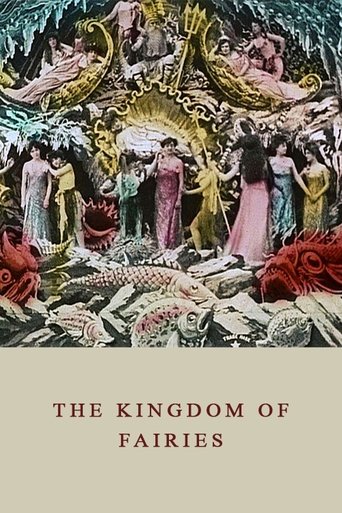
He is best known for his Cretinetti comedy series, The Mechanical Man (1921), The Kingdom of the Fairies (1903), Aladdin and His Wonder Lamp (1906), and his work with Georges Méliès.
When was André Deed born and when did he die?
André Deed was born on February 22, 1879, in Le Havre, France, and died on October 4, 1940, in Paris, France.
What awards did André Deed win?
While Deed received no formal awards during his lifetime, he is now recognized by film historians as a pioneer of silent comedy and one of the first true film stars.
What was André Deed's acting style?
Deed's acting style was characterized by highly physical slapstick comedy, exaggerated facial expressions, and acrobatic movement perfectly suited to silent cinema's visual storytelling requirements.
Who was Cretinetti?
Cretinetti was Deed's most famous character, known as Boireau in France and Foolshead internationally - a bumbling, comedic everyman whose adventures made Deed one of the earliest film stars.
Why did André Deed's career end?
Deed's career declined with the advent of sound films in the late 1920s, as his highly physical style of comedy was less suited to the new medium, and he retired from filmmaking by the early 1930s.
Learn More
Films
12 films
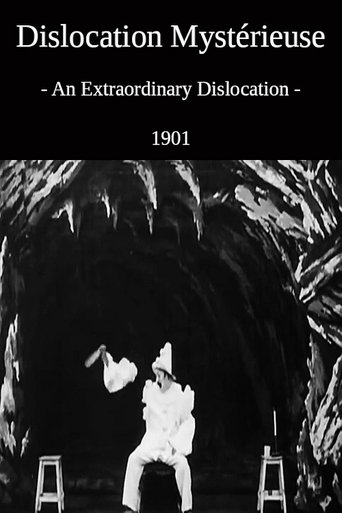
An Extraordinary Dislocation
1901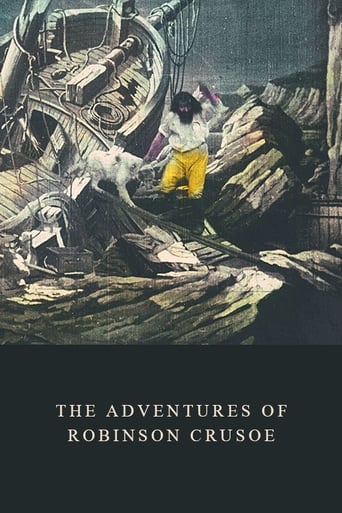
Robinson Crusoe
1902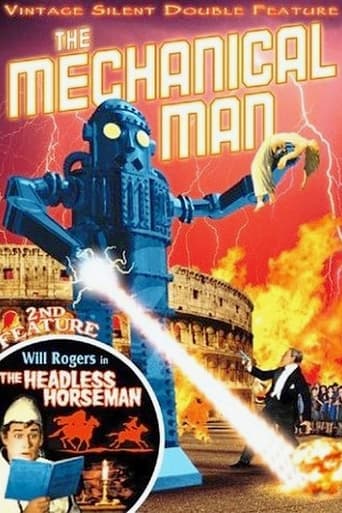
The Mechanical Man
1921
The Fear of Zeppelins
1915
The Devil's Son Has a Wedding in Paris
1906
Aladdin and His Wonder Lamp
1906
Modern Sculptors
1908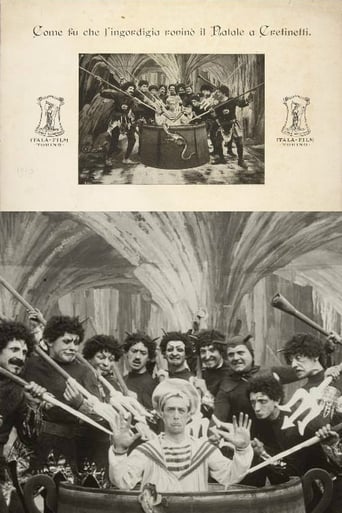
Come fu che l'ingordigia rovinò il Natale a Cretinetti
1910
Two Girls Are in Love with Foolshead
1911
The Inexperienced Chauffeur
1906No Poster