
Georges Méliès
Actor & Director
Born: December 8, 1861 in Paris, France Died: January 21, 1938 Active: 1896-1913 Birth Name: Marie-Georges-Jean Méliès
About Georges Méliès
Georges Méliès was a French illusionist, theater owner, and pioneering filmmaker who fundamentally transformed the art of cinema through his innovative use of special effects and visual storytelling. Beginning his career as a magician at the Théâtre Robert-Houdin in Paris, Méliès attended the first public film screening by the Lumière brothers in 1895 and immediately recognized the potential of moving pictures. He purchased a projector, built his own camera, and began making films in 1896, quickly developing groundbreaking techniques including multiple exposures, time-lapse photography, dissolves, and hand-painted color. His most famous work, 'A Trip to the Moon' (1902), became one of the first international blockbuster films and established him as cinema's first visual effects master. Méliès created over 500 films between 1896 and 1913, many featuring elaborate stage sets, costumes, and fantastical narratives that drew upon his theatrical background. Despite his early success, his career declined due to changing tastes, financial difficulties, and the impact of World War I, leading to bankruptcy and the loss of his film collection. Rediscovered in the late 1920s, Méliès was honored by the French government and recognized as a foundational figure in cinematic history, receiving the Legion of Honor in 1931 shortly before his death.
The Craft
On Screen
Méliès employed a theatrical, exaggerated acting style drawn from his background as a stage magician and illusionist. His performances featured broad gestures, expressive facial contortions, and deliberate movements designed to be clearly visible to early cinema audiences. He often played multiple roles within the same film, utilizing his magician's showmanship to create memorable characters ranging from eccentric scientists to supernatural beings. His acting was intentionally artificial and performative, emphasizing visual spectacle over psychological realism, which perfectly suited his fantastical narratives and magical transformations.
Behind the Camera
Méliès developed a distinctive directing style that merged theatrical stagecraft with cinematic innovation, creating what he called 'cinématographic féeries' or film fairy tales. He employed fixed camera positions reminiscent of theater audiences' viewpoints, allowing viewers to watch elaborate spectacles unfold as if on stage. His films featured meticulously designed sets, hand-painted color effects, and complex choreography of actors and props. Méliès pioneered numerous technical innovations including multiple exposures, time-lapse photography, dissolves, and substitution splices, which he used to create magical transformations and impossible scenarios. His narrative approach emphasized visual storytelling over dialogue, creating a purely cinematic language of fantasy and wonder that would influence generations of filmmakers.
Milestones
- Purchased Théâtre Robert-Houdin (1888)
- Directed first film 'Playing Cards' (1896)
- Created 'A Trip to the Moon' (1902), cinema's first science fiction blockbuster
- Founded Star Film Company (1896)
- Developed pioneering special effects techniques including multiple exposures and substitution splices
- Produced over 500 films in 17 years
- Awarded Legion of Honor (1931)
- Rediscovered by cinema historians in 1920s-30s
Best Known For
Iconic Roles
Must-See Films
Accolades
Won
- Legion of Honor (1931)
- Posthumous star on Hollywood Walk of Fame (2004)
Special Recognition
- Legion of Honor, France's highest civilian decoration (1931)
- Recognition as 'Father of Special Effects' by film historians
- Hollywood Walk of Fame star (2004, posthumous)
- Extensive retrospective at Cinémathèque Française
- Multiple film preservation projects dedicated to his work
Working Relationships
Worked Often With
Studios
Why They Matter
Impact on Culture
Georges Méliès fundamentally transformed cinema from a mere recording device into a medium for artistic expression and fantasy storytelling. His innovations in special effects established the foundation for modern visual effects techniques that continue to evolve today. Méliès proved that films could transport audiences to impossible worlds, creating the template for science fiction and fantasy cinema that persists in contemporary filmmaking. His work influenced countless directors including Georges Franju, Federico Fellini, and Martin Scorsese, who paid homage to Méliès in 'Hugo' (2011). The iconic image of the man in the moon with a rocket in his eye from 'A Trip to the Moon' has become one of the most enduring symbols of cinema's magical potential, representing the limitless imagination that film can unleash.
Lasting Legacy
Georges Méliès' legacy as the 'Cinemagician' endures as one of the most important foundations of cinematic art. His rediscovery in the late 1920s sparked a renewed appreciation for early cinema and led to extensive preservation efforts for his surviving films. Méliès is celebrated as cinema's first visionary artist who understood that film could create dreams rather than merely document reality. His techniques continue to be studied in film schools worldwide, and his influence can be seen in everything from modern blockbusters to experimental films. The annual Méliès d'Or award for European fantastic cinema honors his contributions to the genre. His story of artistic triumph, financial ruin, and posthumous recognition serves as both inspiration and cautionary tale for creative artists, while his films remain magical testaments to cinema's power to wonder and delight.
Who They Inspired
Méliès directly influenced generations of filmmakers who followed, establishing the vocabulary of visual effects that continues to evolve. His fantasy and science fiction films inspired pioneers like Fritz Lang ('Metropolis'), James Whale ('Frankenstein'), and George Lucas ('Star Wars'). The concept of creating impossible scenarios through camera tricks became fundamental to horror, fantasy, and science fiction genres. Contemporary filmmakers including Tim Burton, Terry Gilliam, and Michel Gondry cite Méliès as a major influence on their visual style. His theatrical approach to film influenced the development of production design, set construction, and costume design in cinema. Méliès' understanding of film as a medium for spectacle and wonder laid groundwork for the modern blockbuster, while his innovative spirit continues to inspire visual effects artists and animators working with digital technology.
Off Screen
Georges Méliès was born into a wealthy family of shoe manufacturers and initially expected to join the family business, but his passion for magic and performance led him to pursue a different path. He married Eugénie Génin in 1885, and they had two children, Georgette and André. Méliès was deeply devoted to his family and often involved his wife and children in his film productions. After his bankruptcy in 1913, he and his wife operated a toy and candy shop in the Montparnasse train station to survive. His later years were marked by poverty and obscurity until his rediscovery by cinema enthusiasts. Despite his financial struggles, Méliès remained proud of his contributions to cinema and lived long enough to see his work celebrated before his death in 1938.
Education
Attended Lycée Louis-le-Grand in Paris; studied magic under Jean-Eugène Robert-Houdin; self-taught filmmaker and inventor
Family
- Eugénie Génin (1885-1925, her death)
Did You Know?
- Originally trained as a magician, Méliès purchased the Théâtre Robert-Houdin in 1888 for 40,000 francs
- He accidentally discovered the substitution splice technique when his camera jammed and he had to restart filming
- Méliès created the first film studio in Europe, built in Montreuil-sous-Bois in 1897
- His Star Film Company had branches in London, New York, and Barcelona
- Many of his films were melted down by the French army to make boot heels during World War I
- Only about 200 of his 500+ films survive today
- Méliès hand-colored many of his films frame by frame, a painstaking process that took months
- He was one of the first filmmakers to use storyboards and detailed scripts
- The character of 'The Man in the Moon' from 'A Trip to the Moon' appeared on a French postage stamp in 2011
- Martin Scorsese's film 'Hugo' (2011) is largely about Méliès' life and rediscovery
- Méliès' films were among the first to be pirated internationally, particularly by American distributors
- He created the first known film advertisement for a product (Corona typewriters) in 1897
In Their Own Words
The true use of cinema is not to reproduce reality, but to create a reality of its own.
My ambition was to create a theater of the impossible, to show things that could never exist in real life.
When I make a film, I am not a director, I am a magician who has found a new way to perform my tricks.
The camera is a magic lantern that projects dreams onto the screen.
Cinema is the most powerful art form because it combines all other arts into one magical experience.
Frequently Asked Questions
Who was Georges Méliès?
Georges Méliès was a French illusionist, theater owner, and pioneering filmmaker who created some of cinema's first special effects and fantasy films. He made over 500 films between 1896 and 1913, including the famous 'A Trip to the Moon' (1902), establishing himself as cinema's first master of visual storytelling and special effects.
What films is Georges Méliès best known for?
Méliès is most famous for 'A Trip to the Moon' (1902), featuring the iconic image of a rocket landing in the moon's eye. Other notable works include 'The Impossible Voyage' (1904), 'The Kingdom of the Fairies' (1903), 'The Vanishing Lady' (1896), and 'The Haunted Castle' (1896), all showcasing his innovative special effects and fantasy storytelling.
When was Georges Méliès born and when did he die?
Georges Méliès was born on December 8, 1861, in Paris, France, and died on January 21, 1938, in Paris at the age of 76. He lived through cinema's birth and early development, witnessing both his own rise to fame and his eventual rediscovery as a cinematic pioneer.
What awards did Georges Méliès win?
Méliès received France's highest civilian decoration, the Legion of Honor, in 1931 in recognition of his contributions to cinema. He was posthumously awarded a star on the Hollywood Walk of Fame in 2004, and numerous film awards and festivals have been named in his honor, including the Méliès d'Or for European fantastic cinema.
What was Georges Méliès' directing style?
Méliès developed a theatrical directing style featuring fixed camera positions, elaborate stage-like sets, and innovative special effects including multiple exposures, substitution splices, and hand-painted color. His films emphasized visual spectacle and fantasy narratives, creating what he called 'cinématographic féeries' that merged his background as a magician with the new medium of cinema.
How did Georges Méliès influence modern cinema?
Méliès established the foundation for modern special effects, fantasy, and science fiction cinema. His techniques of visual trickery and impossible scenarios influenced countless directors from Fritz Lang to George Lucas. The concept of film as a medium for creating impossible worlds rather than just documenting reality can be traced directly to Méliès' innovations and artistic vision.
What happened to Georges Méliès' films?
Tragically, most of Méliès' 500+ films were lost, with many melted down by the French military during World War I for their silver content. Only about 200 films survive today, preserved through various archives and restoration efforts. This massive loss represents one of cinema's greatest cultural tragedies, as Méliès' work represented some of the most innovative filmmaking of the early 20th century.
Learn More
Films
182 films
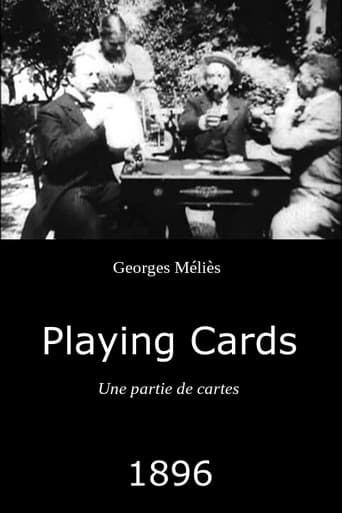
Playing Cards
1896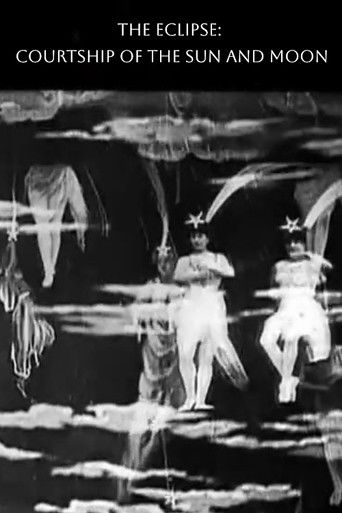
The Eclipse: Courtship of the Sun and Moon
1907
A Terrible Night
1896
Post No Bills
1896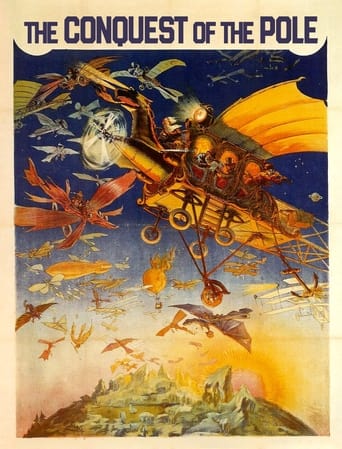
The Conquest of the Pole
1912
Cleopatra's Tomb
1899
The Vanishing Lady
1896
Le manoir du diable
1896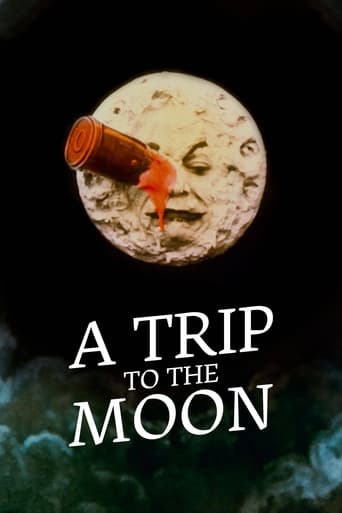
A Trip to the Moon
1902
The Surrender of Tournavos
1897
Naval Combat in Greece
1897
The Four Troublesome Heads
1898
After the Ball
1897
The Dreyfus Affair
1899
Between Calais and Dover
1897
The Famous Box Trick
1898
Joan of Arc
1900
The Man with the Rubber Head
1901
The Monster
1903
20,000 Leagues Under the Sea
1907
The Temptation of St. Anthony
1898
The Magician
1898
The Infernal Cauldron
1903
The Bewitched Inn
1897
Panorama from Top of a Moving Train
1898
The One-Man Band
1900
Divers at Work on the Wreck of the "Maine"
1898
Good Glue Sticks
1907
The Devil in a Convent
1899
A Moonlight Serenade
1904
Cinderella
1899
Rip's Dream
1905
What Is Home Without the Boarder
1901
The Mermaid
1904
The Drawing Lesson
1903
The Kingdom of the Fairies
1903
Gulliver's Travels Among the Lilliputians and the Giants
1902
Bluebeard
1901
The Inn Where No Man Rests
1903
On the Roof
1897
Addition and Subtraction
1900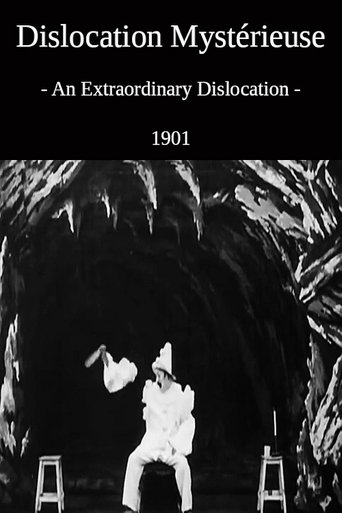
An Extraordinary Dislocation
1901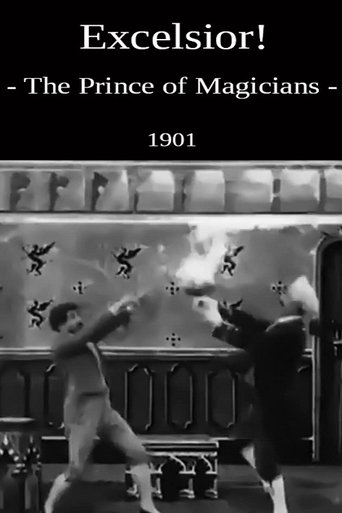
The Prince of Magicians
1901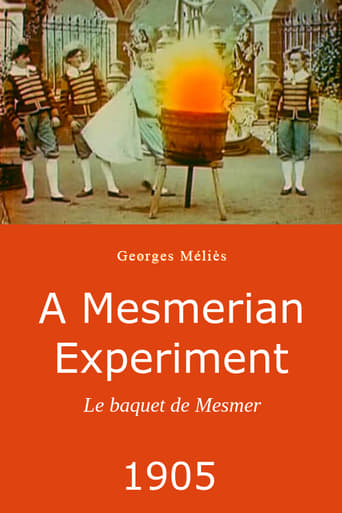
A Mesmerian Experiment
1905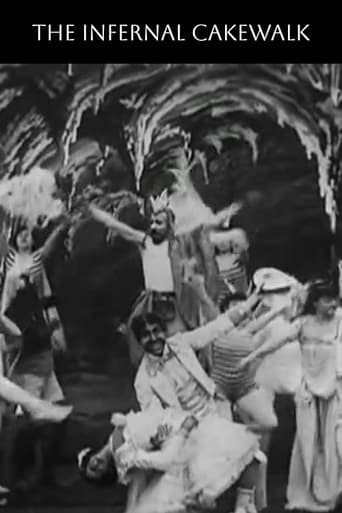
The Infernal Cake-Walk
1903
A Nightmare
1896
The Black Imp
1905
The Inventor Crazybrains and His Wonderful Airship
1905
Going to Bed Under Difficulties
1900
The Magic Book
1900
The Lilliputian Minuet
1905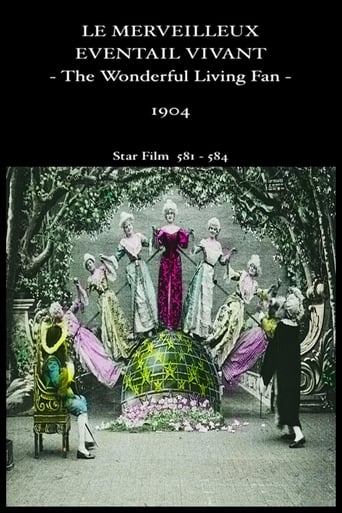
The Wonderful Living Fan
1904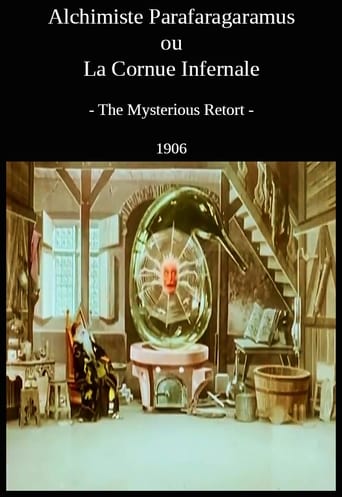
The Mysterious Retort
1906
Delirium in a Studio
1907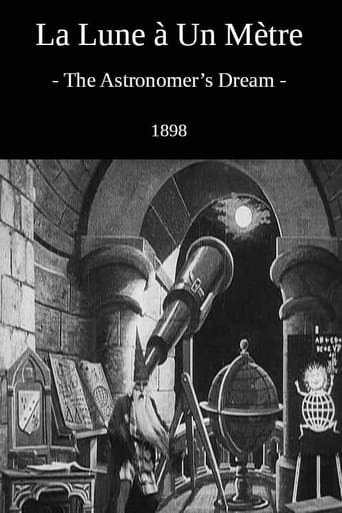
The Astronomer's Dream
1898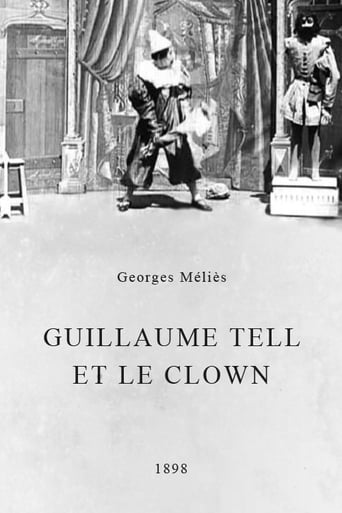
Adventures of William Tell
1898
The Impossible Voyage
1904
Bob Kick, the Mischievous Kid
1903
How He Missed His Train
1901
The Christmas Dream
1900
The Rajah's Dream or The Bewitched Wood
1900
The Doctor and the Monkey
1900
The Witch's Revenge
1903
Tchin-Chao, the Chinese Conjurer
1904
Eight Girls in a Barrel
1900
Jupiter's Thunderballs
1903
The Scheming Gambler's Paradise
1905
The Hilarious Posters
1906
Robinson Crusoe
1902
The Hallucinations of Baron Munchausen
1911
Soap Bubbles
1906
The Living Playing Cards
1904
Punch and Judy
1906
The Magician's Cavern
1901
The Artist and the Dummy
1900
Alcofribas, The Master Magician
1903
Robert Macaire and Bertrand
1906
The Dwarf and the Giant
1901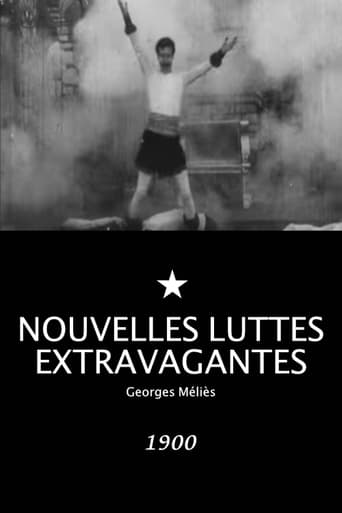
The Fat and Lean Wrestling Match
1900
A Desperate Crime
1906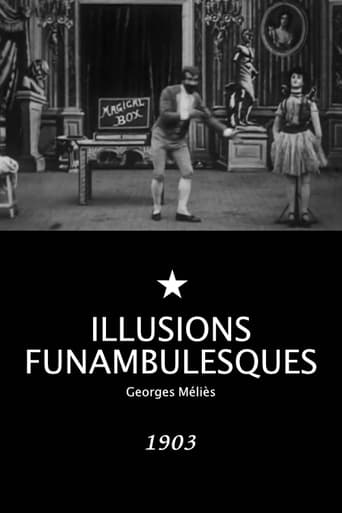
Extraordinary Illusions
1903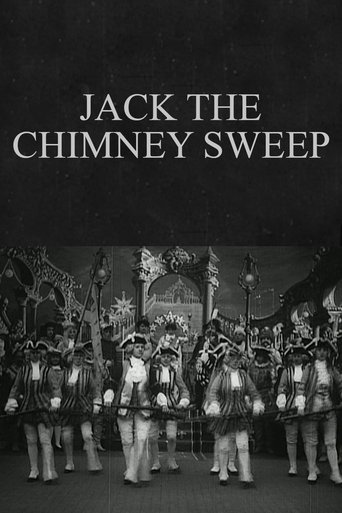
Jack the Chimney Sweep
1906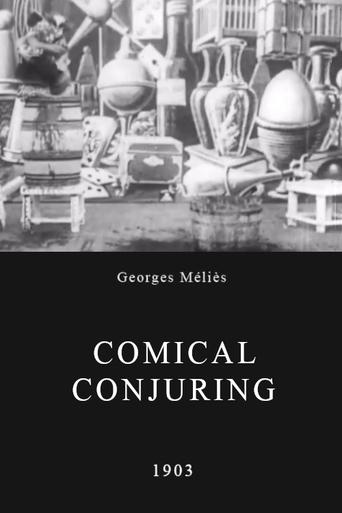
Comical Conjuring
1903
The Melomaniac
1903
The New Lord of the Village
1907
The Palace of the Arabian Nights
1905
The Spider and the Butterfly
1909
Ten Ladies in an Umbrella
1903
The Magic Dice
1905
The Mysterious Portrait
1899
A Spiritualist Photographer
1903
An Adventurous Automobile Trip
1904
A Fantastical Meal
1900
The Imperceptible Transmutations
1904
Jack Jags and Dum Dum
1903
An Improvised Fireworks Display
1905
Misfortune Never Comes Alone
1903
A Miracle Under the Inquisition
1904
The Cook's Revenge
1900
Faust in the Underworld
1903
The King and the Jester
1907
The Untamable Whiskers
1904
The Cook in Trouble
1904
The Human Fly
1902
The Oracle of Delphi
1903
An Impossible Balancing Feat
1902
Ulysses and the Giant Polyphemus
1905
The Mysterious Box
1903
The Firefall
1904
The Enchanted Sedan Chair
1905
The Brahmin and the Butterfly
1901
The Magician and the Imp
1902
The Microscopic Dancer
1902
Rogues' Tricks
1907
The Colonel's Shower Bath
1902
The Witch
1906
Tit for Tat
1904
A Mix-Up in the Gallery
1906
The Marvellous Wreath
1903
The Magic Lantern
1903
An Up-to-Date Conjurer
1899
Cinderella or The Glass Slipper
1912
The Merry Frolics of Satan
1906
The Mysterious Knight
1899
Le château hanté
1897
L'acteur en retard
1908
The Pillar of Fire
1899
French Cops Learning English
1908
The Genii of Fire
1908
Pharmaceutical Hallucinations
1908
The Doctor's Secret
1910
The Good Luck of a 'Souse'
1908
Whimsical Illusions
1910
The Voyage of M. Bourrichon
1913
The Diabolic Tenant
1909
The Broken Violin
1908
Les malheurs d'un photographe
1908
Sightseeing Through Whisky
1907
Long Distance Wireless Photography
1908
The Dream of an Opium Fiend
1908
In the Barber Shop
1908
The Knight of Black Art
1908
A Tricky Painter’s Fate
1908
The Diabolical Church Window
1910
Les infortunes des patineurs
1908
The Enchanted Well
1903
The Good Shepherdess and the Evil Princess
1908
Buncoed Stage Johnnie
1908
The Knight of the Snow
1912
Sideshow Wrestlers
1908
Faust and Marguerite
1904
The Indian Sorcerer
1908
The Treasures of Satan
1902
His First Job
1908
Not Guilty
1908
Grandmother's Tale and Child's Dream
1908
The Miser
1908
Conjuring
1896
Arrival of a Train (Joinville Station)
1896
The Tramp and the Mattress Makers
1906
The Bewitched Trunk
1904
The Prophetess of Thebes
1907
The Ballet Master's Dream
1903
The Clockmaker's Dream
1904
The Terrible Turkish Executioner
1904
The Terrible Eruption of Mount Pelee and Destruction of St. Pierre, Martinique
1902
Apparitions
1903
The Wizard, the Prince and the Good Fairy
1900
Tunneling the English Channel
1907
The Fugitive Apparitions
1904
The Skipping Cheese
1907
The Devil and the Statue
1901
Hat of Many Surprises
1901
The Christmas Angel
1904
The Mystical Flame
1903
In the Bogie Man's Cave
1907
The Prolific Magical Egg
1902No Poster
Up-to-Date Spiritualism
1900
Justinian's Human Torches
1907
Gugusse and the Automaton
1897