Robert A. McGowan
Director
Born: May 22, 1901 in Colorado, United States Died: June 20, 1955 Active: 1926-1932 Birth Name: Robert Anthony McGowan
About Robert A. McGowan
Robert A. McGowan was an American film director who worked primarily during the silent era, specializing in comedy shorts for Hal Roach Studios. He began his career in the mid-1920s, directing numerous two-reel comedies that showcased the talents of various comedy teams and character actors. His most prolific period was from 1926 to 1929, during which he directed dozens of short subjects that were distributed by Pathé Exchange and later Metro-Goldwyn-Mayer. McGowan was particularly adept at handling slapstick comedy and visual gags, working efficiently within the tight production schedules of short film production. His directorial style emphasized rapid pacing and physical comedy, making his films popular with audiences of the era. While his career was relatively brief, he contributed significantly to the golden age of silent comedy shorts. As the transition to sound began, his directorial output decreased, and he eventually left the film industry by the early 1930s.
The Craft
Behind the Camera
McGowan's directing style emphasized rapid pacing, physical comedy, and efficient storytelling within the constraints of short film formats. He was particularly skilled at orchestrating slapstick sequences and maximizing visual gags, often employing dynamic camera movements and quick editing to enhance comedic timing. His approach was practical and economical, reflecting the high-volume production demands of comedy short subjects during the silent era.
Milestones
- Directed over 50 comedy shorts for Hal Roach Studios
- Worked with popular comedy teams of the silent era
- Transitioned from silent to early sound films
- Specialized in two-reel comedy format
- Contributed to Pathé Exchange's comedy slate
Best Known For
Must-See Films
Working Relationships
Worked Often With
Studios
Why They Matter
Impact on Culture
Robert A. McGowan contributed to the rich tradition of American silent comedy shorts, helping to shape the two-reel format that dominated comedy programming in theaters during the 1920s. His work at Hal Roach Studios placed him at the epicenter of silent comedy production, where he helped develop and refine the visual comedy language that would influence generations of filmmakers. While not as famous as some of his contemporaries, his films were part of the cultural fabric that entertained millions of Americans during the golden age of silent cinema.
Lasting Legacy
McGowan's legacy lies in his substantial contribution to the silent comedy short format, a crucial element of cinema programming during the 1920s. His films, while not individually famous, collectively represent the high-quality comedy production that characterized Hal Roach Studios' output during this period. Many of his shorts survive as valuable examples of silent comedy techniques and continue to be studied by film historians and enthusiasts interested in the development of American comedy cinema.
Who They Inspired
While direct documentation of his influence on other filmmakers is limited, McGowan's work at Hal Roach Studios contributed to the studio's reputation for quality comedy production. The techniques and approaches he employed in directing comedy shorts were part of the broader Hal Roach methodology that influenced comedy filmmaking throughout the industry. His films remain part of the historical record of how silent comedy evolved and adapted to the demands of mass entertainment.
Off Screen
Robert A. McGowan was born into a family with strong connections to the film industry. He was the nephew of Robert F. McGowan, the famous director of the Our Gang comedies. This family connection helped him enter the film business at a young age. He married and had children, but details about his family life remain relatively private. After leaving the film industry in the early 1930s, he pursued other business ventures away from Hollywood. He passed away in 1955 at the age of 54.
Education
Educational background not publicly documented
Family
- Married (specific name and dates not publicly documented)
Did You Know?
- Was the nephew of Robert F. McGowan, director of the Our Gang series
- Often worked as an assistant director before getting his own directing assignments
- Many of his films featured popular character actor Max Davidson
- His directing career peaked during the transition from silent to sound films
- Worked on the legendary Laurel and Hardy short 'The Battle of the Century' (1927)
- His films were typically 10-20 minutes in length, following the standard two-reel format
- Directed films for multiple distribution companies including Pathé and MGM
- Specialized in domestic and situational comedy themes
- His career spanned the most dynamic period of change in cinema history
- Left the film industry shortly after the full transition to sound pictures
In Their Own Words
No widely documented quotes from Robert A. McGowan are available in historical records
Frequently Asked Questions
Who was Robert A. McGowan?
Robert A. McGowan was an American film director who worked primarily during the silent era, specializing in comedy shorts for Hal Roach Studios from 1926 to 1929. He directed numerous two-reel comedies and was the nephew of Robert F. McGowan, director of the Our Gang series.
What films is Robert A. McGowan best known for?
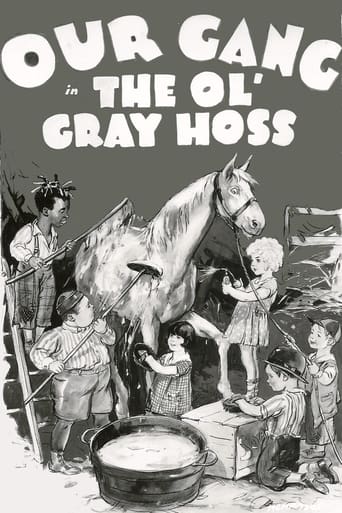
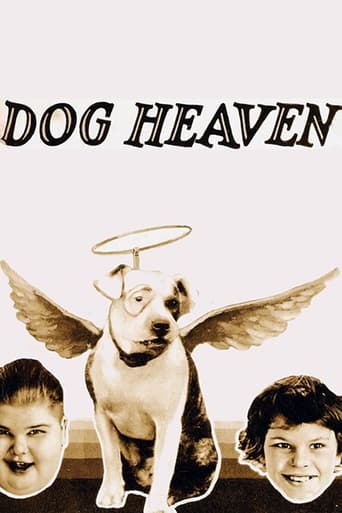
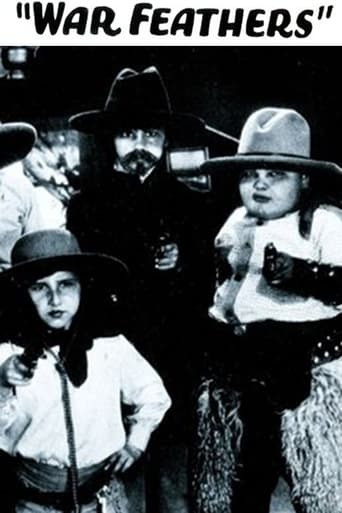
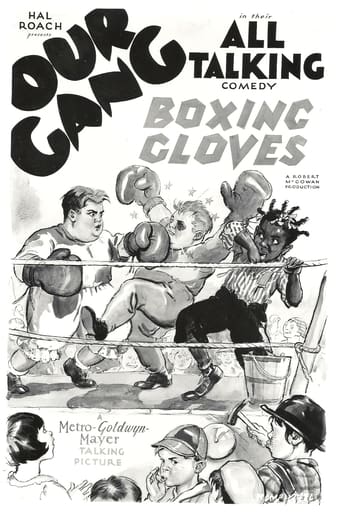
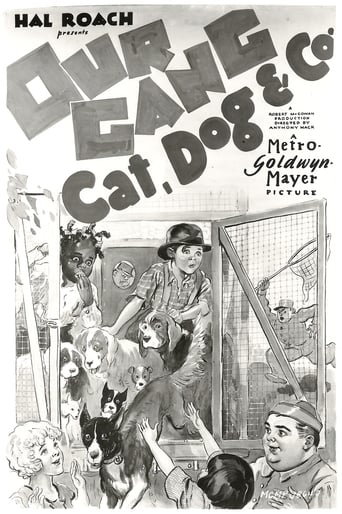
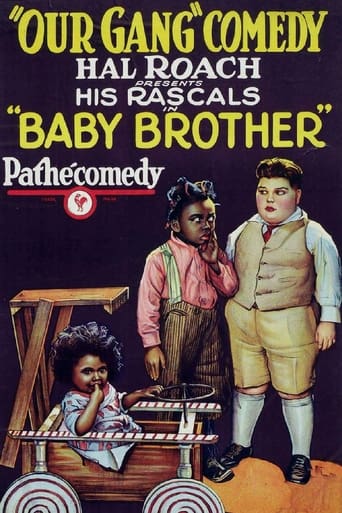
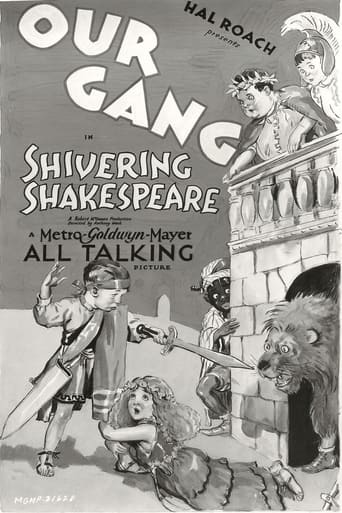
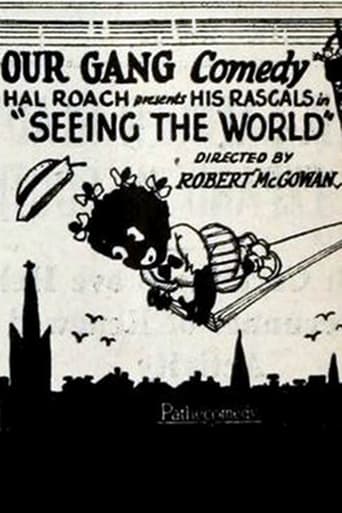
McGowan is best known for directing silent comedy shorts including 'War Feathers' (1926), 'Seeing the World' (1927), 'Dog Heaven' (1927), 'Baby Brother' (1927), and 'The Ol' Gray Hoss' (1928). He also worked as an assistant director on 'The Battle of the Century' (1927) featuring Laurel and Hardy.
When was Robert A. McGowan born and when did he die?
Robert A. McGowan was born on May 22, 1901, in Colorado, United States, and passed away on June 20, 1955, at the age of 54.
What awards did Robert A. McGowan win?
There are no documented awards or nominations for Robert A. McGowan in historical records, which was common for directors of short subjects during the silent era.
What was Robert A. McGowan's directing style?
McGowan's directing style emphasized rapid pacing, physical comedy, and visual gags within the constraints of short film formats. He was skilled at orchestrating slapstick sequences and employed dynamic camera movements and quick editing to enhance comedic timing.
Learn More
Films
12 films