James T. Kelley
Actor
Born: July 10, 1854 in New York City, New York, USA Died: December 12, 1933 Active: 1915-1921 Birth Name: James Thomas Kelley
About James T. Kelley
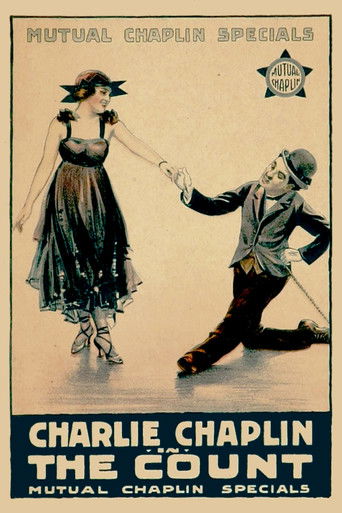
James T. Kelley was an American character actor who became one of Charlie Chaplin's most reliable supporting players during the silent film era. Born in the mid-19th century, Kelley entered films during the early 1910s and quickly found his niche playing elderly or comical characters. His career peaked during Chaplin's Mutual Film Corporation period (1916-1917), where he appeared in nearly every one of Chaplin's celebrated short comedies. Kelley specialized in portraying drunkards, confused old men, and put-upon servants, often serving as the perfect foil to Chaplin's Tramp character. His distinctive appearance, with his bald head and expressive face, made him instantly recognizable to audiences of the era. After his Chaplin collaborations, Kelley continued appearing in various silent films throughout the late 1910s and early 1920s, though never achieving the same level of recognition. His film career effectively ended with the transition to sound pictures in the late 1920s, as his particular style of pantomime comedy was less suited to talkies.
The Craft
On Screen
Kelley specialized in broad physical comedy and pantomime, often playing confused, drunken, or elderly characters with exaggerated mannerisms. His style was typical of the period's slapstick comedy, relying heavily on facial expressions, double takes, and physical gags. He had a particular talent for portraying befuddled old men and inebriated characters, using his distinctive bald appearance and expressive features to maximum comic effect.
Milestones
- Became a regular supporting player in Charlie Chaplin's Mutual comedies (1916-1917)
- Appeared in 11 of Chaplin's 12 Mutual films
- Established himself as a reliable character actor specializing in elderly roles
- Transitioned from stage work to film during the early silent era
- Worked with other major comedy stars of the period
Best Known For
Iconic Roles
Must-See Films
Working Relationships
Worked Often With
Studios
Why They Matter
Impact on Culture
James T. Kelley contributed significantly to the golden age of silent comedy as part of Charlie Chaplin's legendary stock company of actors. His performances helped create the rich comic worlds of Chaplin's most celebrated short films, which are now considered masterpieces of cinema. While never a star in his own right, Kelley's work exemplified the importance of skilled supporting actors in silent comedy, where every character needed to contribute to the overall comic effect. His performances continue to be studied by film scholars and appreciated by silent film enthusiasts as examples of the ensemble work that made Chaplin's films so successful.
Lasting Legacy
Kelley's legacy is preserved through his appearances in some of the most influential comedy films ever made. As part of Chaplin's Mutual period ensemble, he helped create a body of work that has influenced generations of comedians and filmmakers. His performances serve as valuable examples of silent film acting techniques and the art of physical comedy. While largely forgotten by the general public, Kelley remains a respected figure among silent film historians and enthusiasts who recognize the crucial role that character actors like him played in creating the masterpieces of early cinema.
Who They Inspired
Kelley's work influenced subsequent generations of character actors in comedy, particularly those specializing in elderly or comic relief roles. His ability to create memorable characters through physical comedy and facial expressions demonstrated the importance of skilled supporting performances in ensemble comedy. His collaborations with Chaplin helped establish the template for comedy stock companies in Hollywood, influencing how directors like Buster Keaton and Harold Lloyd assembled their own regular casts of supporting players.
Off Screen
James T. Kelley was married to actress Mary Thompson, who also appeared in several of Chaplin's films. The couple had one child together. Before entering films, Kelley had an extensive career in vaudeville and stage productions, which helped prepare him for the physical demands of silent film comedy. He retired from acting in the early 1920s and spent his later years in Los Angeles, where he lived until his death in 1933 at the age of 79.
Education
No formal education documented, likely trained through practical experience in vaudeville and theater
Family
- Mary Thompson (married 1880-1933)
Did You Know?
- Kelley was significantly older than most of his fellow actors in Chaplin's films, often playing characters much older than his actual age
- He appeared in 11 of the 12 films Chaplin made for Mutual Film Corporation
- Before working in films, Kelley had a long career in vaudeville traveling theater companies
- His distinctive bald head and expressive features made him instantly recognizable to silent film audiences
- Kelley often played multiple roles within the same Chaplin film
- He was one of the few actors from Chaplin's Mutual period who did not transition to the First National period
- His wife Mary Thompson also appeared in several Chaplin films, sometimes playing his on-screen wife
- Kelley was known for his ability to perform his own stunts despite his advancing age
- He was one of the oldest actors regularly working in silent comedy during the 1910s
- His final film appearances were in 1921, after which he retired from the film industry
In Their Own Words
No documented quotes from James T. Kelley, as was common for supporting actors in the silent era who rarely gave interviews or had their words recorded for posterity
Frequently Asked Questions
Who was James T. Kelley?
James T. Kelley was an American character actor best known for his work as a supporting player in Charlie Chaplin's silent comedies during the 1910s. He specialized in playing elderly, drunken, or confused characters and appeared in nearly all of Chaplin's Mutual Film Corporation shorts.
What films is James T. Kelley best known for?
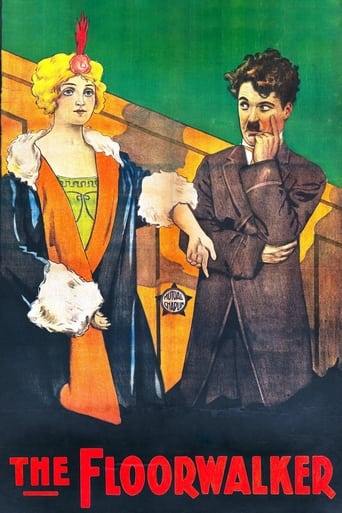
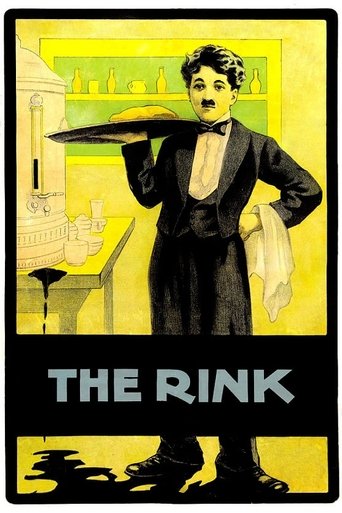
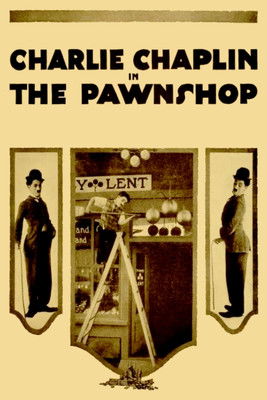
Kelley is best known for his appearances in Charlie Chaplin's Mutual comedies including 'The Pawnshop' (1916), 'The Floorwalker' (1916), 'The Rink' (1916), 'The Immigrant' (1917), and 'Easy Street' (1917).
When was James T. Kelley born and when did he die?
James T. Kelley was born on July 10, 1854, in New York City and died on December 12, 1933, in Los Angeles, California, at the age of 79.
What awards did James T. Kelley win?
James T. Kelley did not receive any major awards during his career, as was common for supporting actors in the silent film era before the establishment of the Academy Awards and other major film honors.
What was James T. Kelley's acting style?
Kelley specialized in broad physical comedy and pantomime, often playing confused, drunken, or elderly characters with exaggerated mannerisms. His style relied heavily on facial expressions, double takes, and physical gags typical of silent film slapstick comedy.
How many films did James T. Kelley make with Charlie Chaplin?
Kelley appeared in 11 of the 12 films that Chaplin made for Mutual Film Corporation between 1916 and 1917, making him one of Chaplin's most frequently used supporting actors during this period.
What happened to James T. Kelley's career after the silent era?
Kelley's film career effectively ended in the early 1920s, and he did not successfully transition to sound films. He retired from acting and spent his later years in Los Angeles until his death in 1933.
Learn More
Films
13 films