Niki Otto
Actor
Born: null in Soviet Union Died: null Active: 1934-1941 Birth Name: Nikolai Otto
About Niki Otto
Niki Otto was a notable character actor and musician active in the Soviet film industry during the 1930s and early 1940s, a period defined by the rise of the Soviet musical comedy. He is most recognized for his association with the 'Tea-Jazz' orchestra led by Leonid Utyosov, which played a pivotal role in the landmark film 'Jolly Fellows' (Vesyolye rebyata) in 1934. Otto's career was characterized by his ability to blend musical performance with comedic acting, often appearing as part of ensemble casts that brought a sense of rhythmic energy to the screen. Throughout the mid-1930s, he contributed to several productions that aimed to boost public morale through lighthearted entertainment and jazz-influenced soundtracks. His screen presence was often defined by a sharp, eccentric physical comedy that complemented the avant-garde musical arrangements of the era. Despite a relatively short filmography, his participation in foundational Soviet sound films secured his place in the history of Eastern European musical cinema before the industry's shift during World War II.
The Craft
On Screen
Niki Otto utilized a highly rhythmic and physical acting style, deeply influenced by his background as a jazz musician. His performances often involved 'eccentric' comedy, a popular style in early Soviet cinema that combined circus-like physicality with musical timing. He was adept at ensemble playing, often functioning as a comedic foil within a larger group of performers, using expressive facial gestures and synchronized movements to match the tempo of the film's score.
Milestones
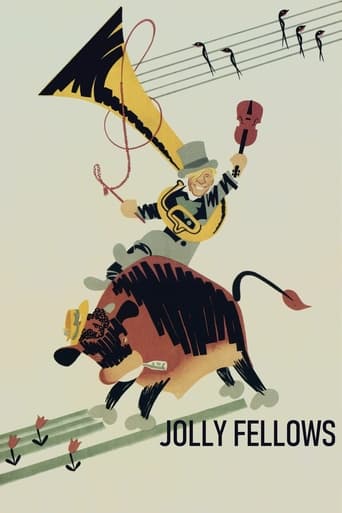
- Featured performer in 'Jolly Fellows' (1934), the first Soviet musical comedy film.
- Long-standing member of Leonid Utyosov's 'Tea-Jazz' (Teatr-Dzhaz) orchestra.
- Collaborated with director Grigori Aleksandrov during the Golden Age of Soviet musical cinema.
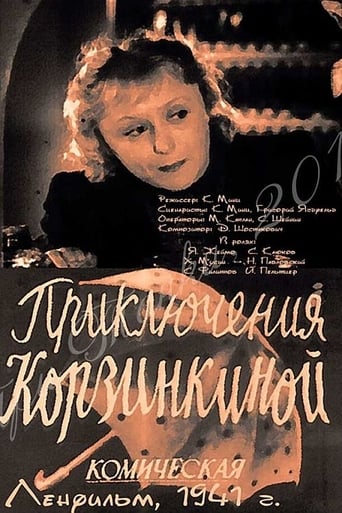
- Appeared in the 1941 comedy 'Adventures of Korzinkina', one of the last major comedies before the full mobilization of the film industry for the war effort.
- Contributed to the popularization of jazz elements in early Soviet sound cinema.
Best Known For
Iconic Roles
Must-See Films
Accolades
Special Recognition
- Recognized as a key contributor to the development of the Soviet Musical Comedy genre.
Working Relationships
Worked Often With
Studios
Why They Matter
Impact on Culture
Niki Otto was part of the cultural vanguard that introduced jazz—initially a controversial Western import—into the acceptable Soviet cultural lexicon through film. By appearing in 'Jolly Fellows,' he helped establish a template for the Soviet musical that would persist for decades. His work represented the 'joy of life' (zhizneradostnost) policy of the 1930s, which used cinema to project an image of a happy, harmonious socialist society through song and dance.
Lasting Legacy
His legacy is primarily tied to the preservation of early Soviet jazz history. As a member of the 'Tea-Jazz' ensemble, his image and performances are studied by film historians interested in the intersection of music and propaganda in the 1930s. He remains a cult figure for enthusiasts of early Soviet sound films and the works of Grigori Aleksandrov.
Who They Inspired
He influenced subsequent generations of Soviet musical performers who sought to balance technical musical proficiency with the demands of comedic screen acting.
Off Screen
Details regarding Niki Otto's personal life remain scarce due to the era's record-keeping and his primary identification as a member of a professional musical collective. He was a dedicated member of the Leningrad jazz scene and worked closely with the Utyosov family and the state-sponsored musical ensembles of the 1930s.
Education
Trained as a professional musician in the Soviet conservatory system, specializing in jazz and orchestral performance.
Did You Know?
- He was a member of the original 'Tea-Jazz' orchestra, which was the first of its kind to achieve massive state-wide popularity in the USSR.
- The film 'Jolly Fellows' was so successful that it was praised by Charlie Chaplin for its musicality and rhythm.
- Otto often performed his own musical stunts on screen, playing instruments while engaging in slapstick comedy.
- His film 'Adventures of Korzinkina' was released just as the Soviet Union entered World War II, making it one of the final examples of pre-war escapist cinema.
- He is often credited as 'N. Otto' in vintage film posters and archival records.
In Their Own Words
The rhythm of the music must dictate the movement of the actor; if the beat is lost, the joke is lost. (Attributed context: Discussing the filming of the musical sequences in Jolly Fellows)
Frequently Asked Questions
Who was Niki Otto?
Niki Otto was a Soviet actor and musician best known for his roles in early musical comedies of the 1930s. He was a prominent member of Leonid Utyosov's jazz orchestra and appeared in the landmark film 'Jolly Fellows'.
What films is Niki Otto best known for?
He is most famous for 'Jolly Fellows' (1934), which was the first Soviet musical comedy, and 'Adventures of Korzinkina' (1941). These films showcased his ability to combine jazz music with physical comedy.
When was Niki Otto active in cinema?
His cinematic career was primarily concentrated between 1934 and 1941, coinciding with the first wave of Soviet sound films and the height of the musical comedy genre.
What was Niki Otto's acting style?
His style was 'eccentric' and rhythmic, heavily influenced by his background as a musician. He specialized in physical comedy that was perfectly synchronized with the musical scores of his films.
What is Niki Otto's legacy in film history?
He is remembered as a pioneer of the Soviet musical film. His work helped integrate jazz music into mainstream Soviet culture and established the comedic tropes of the era's most popular films.
Learn More
Films
2 films