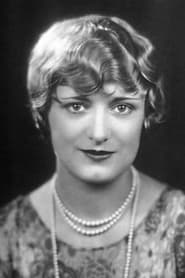
Kathryn McGuire
Actor
Born: December 6, 1903 in Peoria, Illinois, USA Died: October 10, 1978 Active: 1923-1928
About Kathryn McGuire
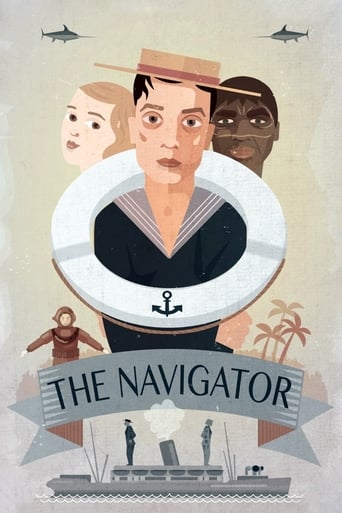
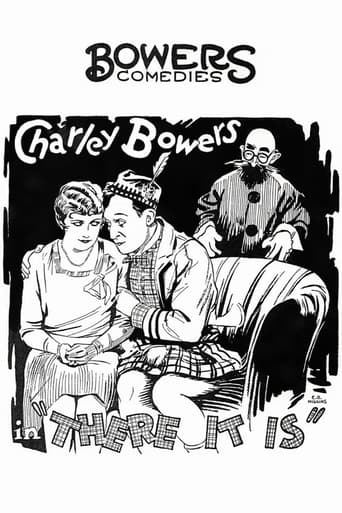
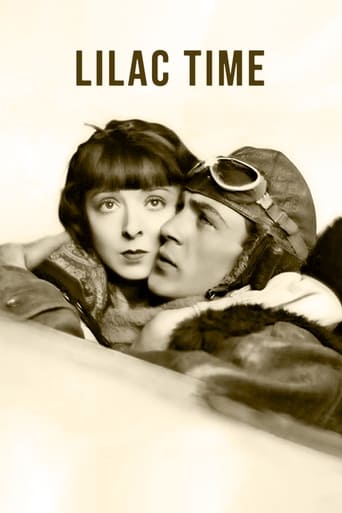
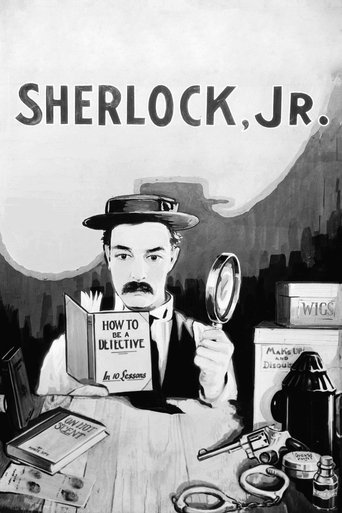
Kathryn McGuire was a prominent silent film actress who rose to fame in the early 1920s through her work with comedy legend Buster Keaton. She began her career as a dancer before transitioning to acting, catching the attention of Hollywood studios with her natural screen presence and physical comedy abilities. McGuire's breakthrough came when she was cast as the leading lady in Keaton's masterpiece 'Sherlock Jr.' (1924), where she played the daughter whose stolen watch triggers the film's dream sequence. She followed this success with another starring role opposite Keaton in 'The Navigator' (1924), portraying a wealthy socialist stranded at sea with Keaton's character. Her career flourished throughout the mid-1920s with roles in various comedies and dramas, including 'There It Is' (1928) and 'Lilac Time' (1928). As the transition to sound films began, McGuire largely retired from acting, choosing instead to focus on her personal life and business ventures, including operating a successful beauty salon. Her contribution to silent cinema, particularly her chemistry with Buster Keaton, remains an important part of film history.
The Craft
On Screen
Kathryn McGuire was known for her naturalistic acting style in the silent era, combining graceful movements with excellent comic timing. She possessed the ability to convey emotion effectively through facial expressions and body language, which was essential for silent film performance. Her physical comedy skills were particularly evident in her work with Buster Keaton, where she demonstrated remarkable agility and timing in chase sequences and slapstick situations. McGuire brought a sense of authenticity to her roles, whether playing romantic leads or comic characters, and had a screen presence that balanced innocence with sophistication.
Milestones
- Leading lady in Buster Keaton's 'Sherlock Jr.' (1924)
- Starred opposite Buster Keaton in 'The Navigator' (1924)
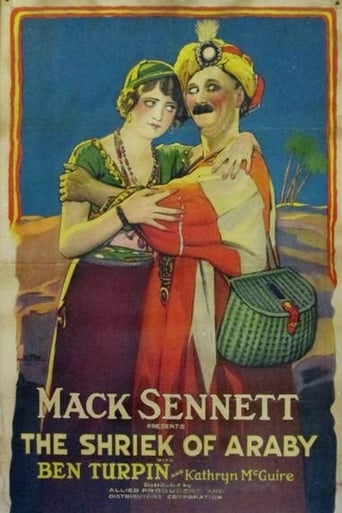
- Appeared in Harold Lloyd production 'The Shriek of Araby' (1923)
- Featured in aviation romance 'Lilac Time' (1928)
- Worked with comedy team Laurel and Hardy in 'There It Is' (1928)
Best Known For
Iconic Roles
Must-See Films
Accolades
Special Recognition
- Star on Hollywood Walk of Fame (located at 6314 Hollywood Boulevard)
Working Relationships
Worked Often With
Studios
Why They Matter
Impact on Culture
Kathryn McGuire played a significant role in silent cinema history through her collaborations with Buster Keaton, helping create some of the most enduring comedies of the era. Her performances in 'Sherlock Jr.' and 'The Navigator' contributed to films that are now considered masterpieces of cinematic art, studied by film scholars and admired by audiences worldwide. McGuire represented the ideal silent film heroine - graceful, expressive, and capable of holding her own in physically demanding comedy sequences. Her work helped demonstrate that women in silent comedy could be more than just romantic interests, actively participating in and driving the comedic action.
Lasting Legacy
Kathryn McGuire's legacy is primarily preserved through her unforgettable performances in Buster Keaton's classic films, which continue to be screened at film festivals and studied in cinema courses. Her star on the Hollywood Walk of Fame serves as a permanent tribute to her contributions to American cinema. Film historians and silent film enthusiasts recognize her as one of the most talented and versatile actresses of her era, particularly noting her ability to balance comedy with genuine emotion. The restoration and preservation of Keaton's films have ensured that McGuire's work remains accessible to new generations of film lovers.
Who They Inspired
While Kathryn McGuire did not have a long enough career to directly influence subsequent generations of actors, her performances in Keaton's films set a standard for physical comedy and naturalistic acting in silent cinema. Contemporary actresses studying silent film performance often look to McGuire's work as an example of how to effectively convey emotion and comedy without dialogue. Her ability to perform her own stunts and participate fully in physical comedy sequences helped pave the way for future actresses in action and comedy roles.
Off Screen
Kathryn McGuire married wealthy oilman George S. Patton in 1928, the same year she largely retired from acting. The couple had three children together and remained married until Patton's death in 1954. After leaving Hollywood, McGuire focused on raising her family and operated a successful beauty salon in Beverly Hills. She maintained a relatively private life in her later years, rarely giving interviews about her film career. McGuire spent her final years in Los Angeles, where she passed away in 1978 at the age of 74.
Education
Attended local schools in Peoria, Illinois; studied dance as a young woman
Family
- George S. Patton (1928-1954)
Did You Know?
- She was a professional dancer before becoming an actress
- Her performance in 'The Navigator' required her to learn deep-sea diving techniques
- She was one of the few actresses to successfully perform opposite Buster Keaton in multiple films
- McGuire retired from acting at the height of her career to marry and start a family
- Her star on the Hollywood Walk of Fame was dedicated in 1960
- She appeared in over 20 films during her brief but impactful career
- Her role in 'Sherlock Jr.' required her to perform complex chase sequences and stunts
- She worked with both major comedy stars of the era: Buster Keaton and Laurel & Hardy
- Her final film appearance was in 1928, just as the transition to sound films began
- She was known for being one of the most athletic actresses in silent comedy
In Their Own Words
Working with Buster Keaton was like being part of a perfectly timed dance - every movement had to be precise, but it felt completely natural.
Silent film acting required you to speak with your entire body, not just your face. Every gesture had to tell part of the story.
Frequently Asked Questions
Who was Kathryn McGuire?
Kathryn McGuire was a silent film actress best known for her roles in Buster Keaton's classic comedies 'Sherlock Jr.' and 'The Navigator' during the mid-1920s. She was a talented performer who excelled in both comedy and dramatic roles, known for her physical comedy skills and natural screen presence.
What films is Kathryn McGuire best known for?
McGuire is most famous for her starring roles in Buster Keaton's 'Sherlock Jr.' (1924) and 'The Navigator' (1924). She also appeared in notable films like 'The Shriek of Araby' (1923), 'There It Is' (1928), and 'Lilac Time' (1928).
When was Kathryn McGuire born and when did she die?
Kathryn McGuire was born on December 6, 1903, in Peoria, Illinois, and died on October 10, 1978, in Los Angeles, California, at the age of 74.
What awards did Kathryn McGuire win?
While Kathryn McGuire did not receive major acting awards during her career, she was honored with a star on the Hollywood Walk of Fame at 6314 Hollywood Boulevard, recognizing her contributions to American cinema.
What was Kathryn McGuire's acting style?
McGuire was known for her naturalistic acting style in silent films, combining graceful movements with excellent comic timing. She excelled at physical comedy and could effectively convey emotion through facial expressions and body language, making her particularly effective in Buster Keaton's comedies.
Why did Kathryn McGuire retire from acting?
Kathryn McGuire retired from acting in 1928, at the height of her career, to marry oilman George S. Patton and focus on her family. She chose to leave Hollywood just as the transition to sound films was beginning, successfully transitioning to a private life as a wife and mother.
Did Kathryn McGuire perform her own stunts?
Yes, Kathryn McGuire was known for performing many of her own stunts, particularly in her films with Buster Keaton. In 'The Navigator,' she even learned deep-sea diving techniques for her role, demonstrating her commitment to physical performance and her athletic abilities.
Learn More
Films
5 films