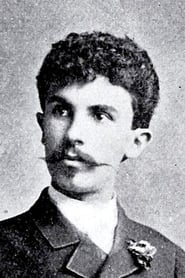
William K.L. Dickson
Actor & Director
Born: August 3, 1860 in Minihic-sur-Rance, Brittany, France Died: September 28, 1935 Active: 1883-1905 Birth Name: William Kennedy Laurie Dickson
About William K.L. Dickson
William Kennedy Laurie Dickson was a pioneering Scottish inventor and filmmaker who played a crucial role in the birth of cinema. Born in France to British parents, Dickson joined Thomas Edison's laboratory in 1883 and became the key figure in developing motion picture technology. He invented the Kinetoscope, the first practical motion picture viewing device, and the Kinetograph camera, creating the foundation for modern cinema. Between 1890-1895, Dickson directed and produced some of the very first motion pictures in history at Edison's Black Maria studio, including the famous Dickson Greeting and Blacksmithing Scene. After leaving Edison's employment, he co-founded the American Mutoscope Company in 1895, which became a major competitor to Edison's film interests. Dickson continued innovating with larger film formats and projection systems, helping establish the technical standards for the emerging film industry. His contributions laid the groundwork for virtually all subsequent developments in motion picture technology and filmmaking techniques.
The Craft
On Screen
As an early film performer, Dickson's acting style was typical of the experimental era - simple, direct gestures and movements designed to be clearly visible through the limited technology of the time. His appearances were primarily demonstrations of the new medium rather than dramatic performances.
Behind the Camera
Dickson's directing approach was fundamentally experimental and technical, focused on testing the capabilities of the new motion picture medium. His films were typically single, static shots lasting only seconds, capturing everyday activities, performances, or simple narratives. He emphasized clarity of action and visibility of subjects, often using bright lighting and plain backgrounds to maximize the primitive camera's effectiveness.
Milestones
- Invented the Kinetoscope motion picture viewing device (1891)
- Invented the Kinetograph motion picture camera (1891)
- Directed some of the first motion pictures ever made at Edison's Black Maria studio
- Co-founded the American Mutoscope Company (1895)
- Created the Dickson Experimental Sound Film (1895), an early attempt at synchronized sound
- Developed the 35mm film standard that became industry-wide
- Built and operated the world's first film production studio (Black Maria)
Best Known For
Iconic Roles
Must-See Films
Accolades
Special Recognition
- Inducted into the National Inventors Hall of Fame
- Recognized by film historians as one of cinema's founding fathers
- Black Maria studio preserved as a historical site
Working Relationships
Worked Often With
Studios
Why They Matter
Impact on Culture
William K.L. Dickson's impact on cinema cannot be overstated - he essentially invented the technical foundation of motion pictures as we know them. His development of 35mm film with four perforations per frame became the universal standard that persisted for over a century. The Black Maria studio he designed and built was the world's first purpose-built film production facility, establishing the basic principles of film studio design. His early films, while primitive, demonstrated the commercial and artistic potential of the medium, paving the way for the entire film industry. Dickson's work with Edison established the basic business model for film production and exhibition that would evolve into Hollywood.
Lasting Legacy
Dickson's legacy as the primary inventor of motion picture technology places him among the most important figures in media history. While Edison often receives credit, it was Dickson who actually designed and built the first practical motion picture camera and viewing system. His technical innovations, particularly the standardization of 35mm film, made possible the global film industry that followed. The Dickson Experimental Sound Film represents one of the earliest attempts at creating talking pictures, anticipating the sound revolution by over three decades. Modern cinema, with its standardized film formats, projection systems, and studio production methods, owes its existence to Dickson's pioneering work.
Who They Inspired
Dickson directly influenced the first generation of American filmmakers who worked at Edison's studio, including Edwin S. Porter, who would go on to make 'The Great Train Robbery' (1903). His technical innovations were adopted and adapted by virtually all early film companies. The American Mutoscope Company he co-founded became one of Edison's major competitors and later evolved into Biograph, one of the most important early American studios. His work with sound synchronization, though primitive, laid conceptual groundwork for the eventual development of talkies in the late 1920s. Film historians and technicians continue to study his inventions and methods as the foundation of cinematic technology.
Off Screen
Dickson was born to James Waite Dickson and Elizabeth Kennedy-Laurie, who were of Scottish origin but living in France at the time of his birth. He married Marian Spalding in 1894 and they had two children together. After returning to England in the early 1900s, he largely retired from active filmmaking but continued consulting on technical matters. He spent his later years in Twickenham, Middlesex, where he died at age 75.
Education
Educated in France and England, studied engineering and electrical science before joining Edison's laboratory
Family
- Marian Spalding (1894-1935)
Did You Know?
- The Black Maria studio was named after the slang term for police paddy wagons due to its resemblance to them
- Dickson was born in France but remained a British citizen throughout his life
- He initially worked on telegraph and telephone improvements for Edison before moving to motion pictures
- The Kinetoscope could only be viewed by one person at a time through a peephole
- Dickson left Edison's company after a dispute over credit for his inventions
- His experimental sound film was discovered in 1960, decades after it was made
- Dickson's original film speed of 40 frames per second was later reduced to 24 fps as the industry standard
- He wrote one of the first technical books on motion picture production in 1895
- The American Mutoscope Company used a larger film format (68mm) to compete with Edison's 35mm
- Dickson's films were among the first to be copyrighted and protected by law
In Their Own Words
The motion picture is a succession of images so rapidly presented that the eye is deceived into believing them to be continuous.
We have not yet begun to realize the possibilities of this invention.
The future of this art lies not merely in recording reality, but in creating new worlds of imagination.
Frequently Asked Questions
Who was William K.L. Dickson?
William K.L. Dickson was a Scottish inventor and filmmaker who worked for Thomas Edison and invented the first practical motion picture camera (Kinetograph) and viewing device (Kinetoscope). He directed some of the earliest motion pictures in history and is considered one of the founding fathers of cinema technology.
What films is William K.L. Dickson best known for?
Dickson is best known for pioneering early films including 'Monkeyshines, No. 2' (1890), 'Dickson Greeting' (1891), 'Blacksmithing Scene' (1893), 'Bucking Broncho' (1894), and the experimental 'Dickson Experimental Sound Film' (1895). These were among the very first motion pictures ever created.
When was William K.L. Dickson born and when did he die?
William K.L. Dickson was born on August 3, 1860, in Minihic-sur-Rance, France, to British parents. He died on September 28, 1935, in Twickenham, Middlesex, England, at the age of 75.
What awards did William K.L. Dickson win?
While Dickson received no formal awards during his lifetime, he has been posthumously recognized with induction into the National Inventors Hall of Fame. His greatest recognition comes from film historians who acknowledge him as one of cinema's most important founding fathers and the primary inventor of motion picture technology.
What was William K.L. Dickson's directing style?
Dickson's directing style was experimental and technical, focused on demonstrating the capabilities of the new medium. His films were typically single, static shots lasting only seconds, featuring simple actions or performances. He emphasized clarity and visibility, using bright lighting and plain backgrounds to maximize the primitive camera's effectiveness.
How did Dickson influence modern cinema?
Dickson established the 35mm film format with four perforations per frame, which became the universal standard for over a century. He designed the world's first film studio (the Black Maria) and developed the basic technical foundation for motion picture cameras and projection systems. His innovations made possible the entire global film industry that followed.
Learn More
Films
26 films
Blacksmithing Scene
1893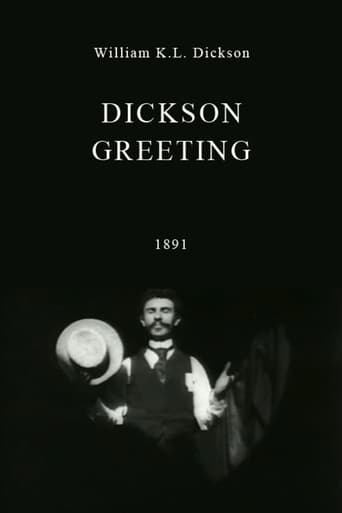
Dickson Greeting
1891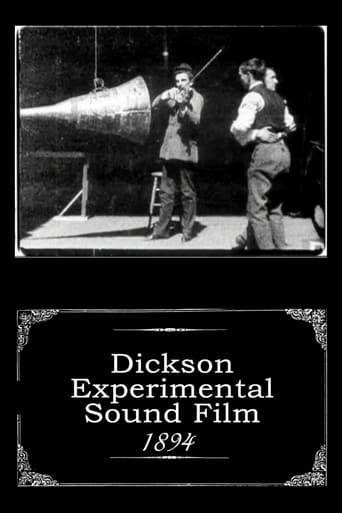
Dickson Experimental Sound Film
1895
Bucking Broncho
1894
Buffalo Dance
1894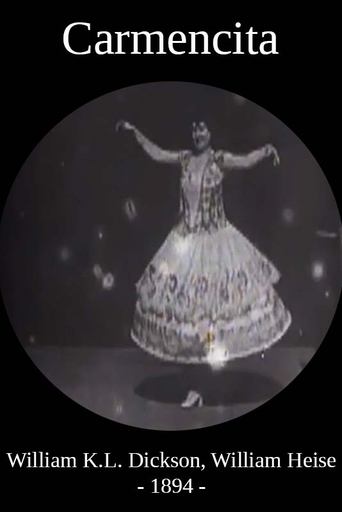
Carmencita
1894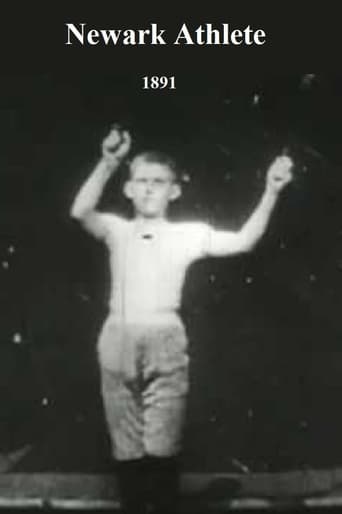
Newark Athlete
1891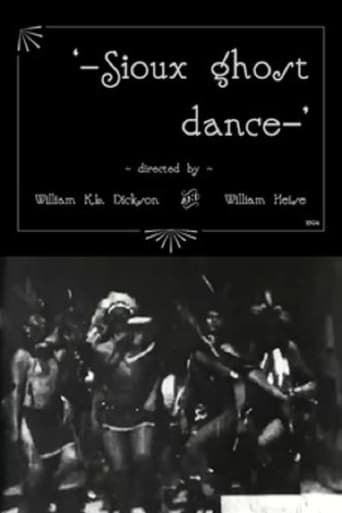
Sioux Ghost Dance
1894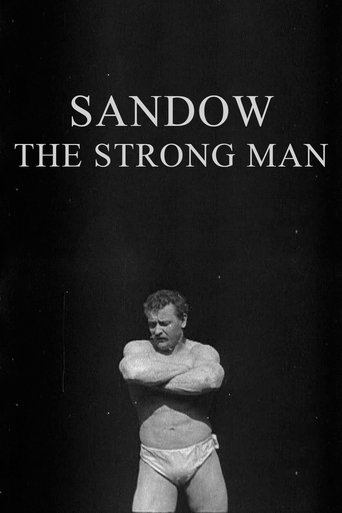
Sandow: The Strong Man
1894
Corbett and Courtney Before the Kinetograph
1894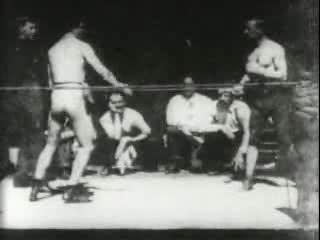
Leonard-Cushing Fight
1894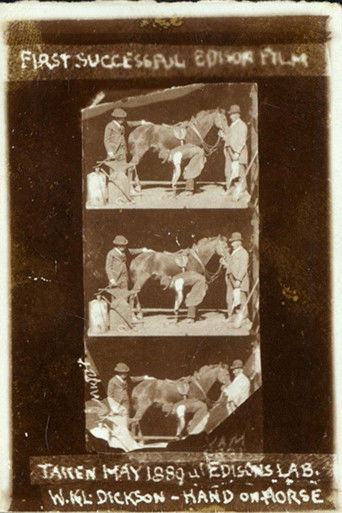
Horse Shoeing
1893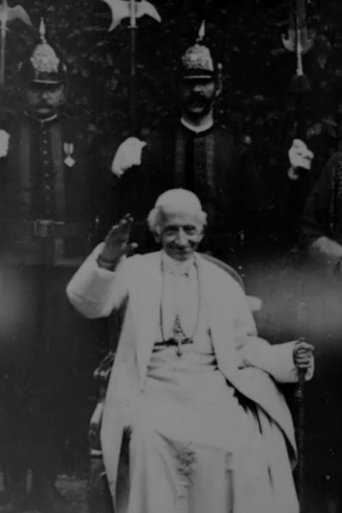
Pope Leo XIII Being Seated Bestowing Blessing
1896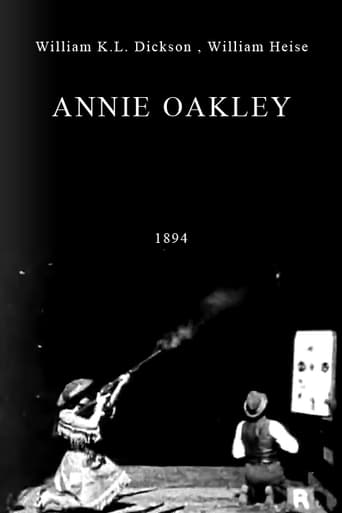
Annie Oakley
1894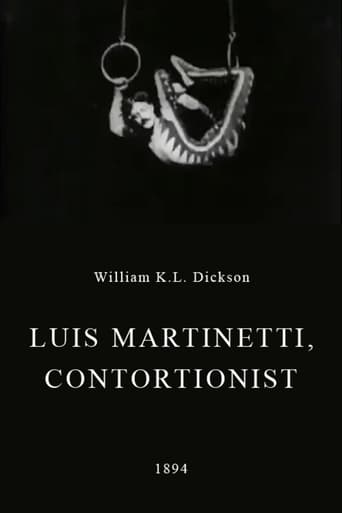
Luis Martinetti, Contortionist
1894
Annabelle Butterfly Dance
1894
Athlete with Wand
1894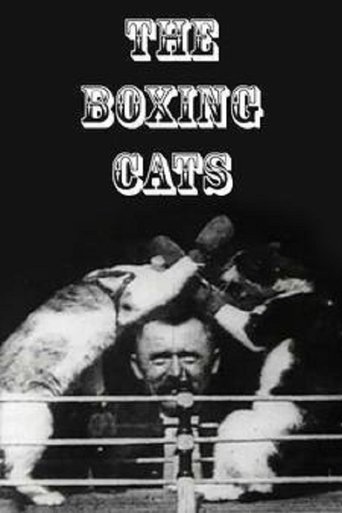
The Boxing Cats
1894
Hadj Cheriff
1894
Monkeyshines, No. 2
1890
Fire Rescue Scene
1894
Billy Edwards and the Unknown
1895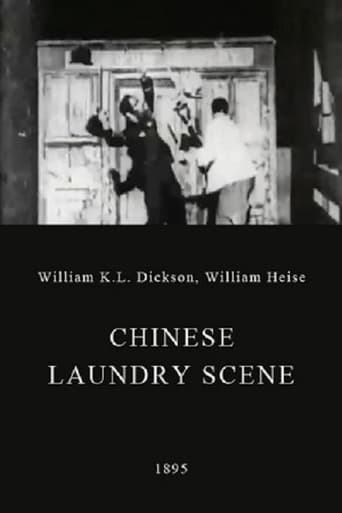
Chinese Laundry Scene
1895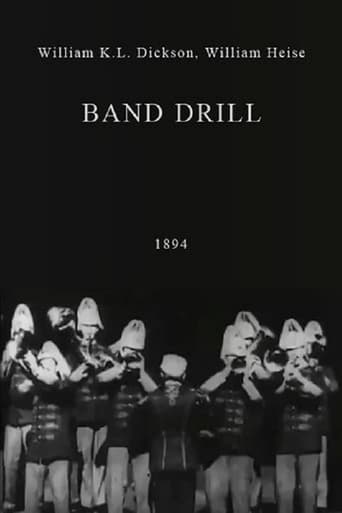
Band Drill
1894