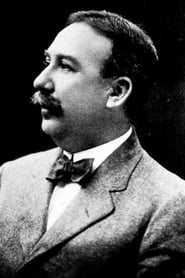
Edwin S. Porter
Actor & Director
Born: April 21, 1869 in Connellsville, Pennsylvania, USA Died: April 30, 1941 Active: 1899-1915 Birth Name: Edwin Stanton Porter
About Edwin S. Porter
Edwin Stanton Porter was a pioneering American filmmaker who helped establish the language of cinema during its nascent years. Beginning his career as a projectionist and exhibitor for Thomas Edison's company, Porter quickly transitioned to filmmaking and became one of the most innovative directors of the early 1900s. His groundbreaking 1903 film 'The Great Train Robbery' revolutionized narrative storytelling in cinema with its sophisticated editing techniques, location shooting, and multi-scene structure. Porter continued to innovate throughout his career at Edison, developing parallel editing in 'Life of an American Fireman' and experimenting with special effects in numerous trick films. After leaving Edison in 1909, he founded his own production company, Rex Motion Picture Company, though his creative output diminished in subsequent years. Despite his relatively brief period of peak creativity, Porter's technical and narrative innovations laid crucial groundwork for the development of cinematic language. He spent his later years working in various capacities within the film industry before retiring in obscurity, only to be rediscovered by film historians as one of cinema's foundational figures.
The Craft
On Screen
Porter was not primarily known as an actor, though he occasionally appeared in his own films in minor roles. His brief acting appearances were typical of the early cinema style - theatrical, exaggerated, and designed to be clearly understood by audiences unfamiliar with film acting conventions. His performances were functional rather than artistic, serving mainly to demonstrate camera techniques or fill small roles when needed.
Behind the Camera
Porter's directing style was revolutionary for its time, characterized by innovative editing techniques and narrative complexity. He pioneered the use of parallel editing, showing simultaneous action in different locations to build tension and create dramatic irony. His camera work evolved from static theatrical presentations to more dynamic compositions, including the famous close-up shot in 'The Great Train Robbery.' Porter emphasized clarity of storytelling, using continuity editing to guide viewers through increasingly complex narratives. He was also adept at creating spectacle through location shooting, large crowd scenes, and practical effects, helping establish cinema as a medium for dramatic entertainment rather than just novelty.
Milestones
- Directed 'The Great Train Robbery' (1903), one of the most influential early narrative films
- Pioneered parallel editing techniques in 'Life of an American Fireman' (1903)
- Developed sophisticated continuity editing and cross-cutting methods
- Created numerous 'trick films' using innovative special effects techniques
- Established the foundation for American narrative cinema at Edison Studios
- Transitioned from single-shot films to multi-scene narratives
- Helped establish the 12-minute feature as a standard for early cinema
Best Known For
Iconic Roles
Must-See Films
Accolades
Special Recognition
- Inducted into the National Film Registry for 'The Great Train Robbery' (1990)
- Star on the Hollywood Walk of Fame (1960, posthumous)
- Recognized by the Directors Guild of America as a pioneering director
- Featured in the Museum of Modern Art's early cinema exhibitions
Working Relationships
Worked Often With
Studios
Why They Matter
Impact on Culture
Edwin S. Porter fundamentally transformed cinema from a novelty attraction into a narrative art form. His development of editing techniques like parallel action and continuity editing created the basic grammar of film language that directors still use today. 'The Great Train Robbery' established the Western as a viable genre and demonstrated cinema's potential for complex storytelling. Porter's innovations in location shooting, special effects, and narrative structure helped establish American cinema's commercial and artistic viability. His work at Edison Studios laid the foundation for Hollywood's narrative tradition, influencing countless directors who followed. The techniques he pioneered became so fundamental to filmmaking that they're now taken for granted as basic cinematic language.
Lasting Legacy
Edwin S. Porter's legacy endures as one of cinema's most important early innovators, despite his relative obscurity during his lifetime. His contributions to narrative storytelling and editing techniques established the foundation for modern film language. 'The Great Train Robbery' remains one of the most studied and influential early films, frequently included in film history curricula worldwide. Film historians recognize Porter as a crucial transitional figure between the simple actualities of early cinema and the sophisticated narrative features of the 1910s. His work demonstrated that cinema could tell complex stories with emotional impact, paving the way for the feature film revolution of the 1910s. Though he never achieved the fame of contemporaries like D.W. Griffith, Porter's technical innovations arguably had equal or greater lasting impact on the medium.
Who They Inspired
Porter's influence on subsequent filmmakers is profound and pervasive. D.W. Griffith built upon Porter's editing innovations to develop even more sophisticated narrative techniques in films like 'The Birth of a Nation.' Cecil B. DeMille and other early Hollywood directors adopted Porter's approach to spectacle and location shooting. The basic editing principles Porter established—continuity, parallel action, shot-reverse-shot—became standard practice in Hollywood and worldwide cinema. His influence extended internationally, with European filmmakers studying his techniques to develop their own narrative traditions. Even contemporary filmmakers unconsciously use the cinematic language that Porter helped create over a century ago.
Off Screen
Edwin S. Porter married Caroline Ridinger in 1895, and the couple had one daughter, Adelaide. Porter's family life was relatively private, though his career demanded frequent travel between New York, New Jersey, and various filming locations. His marriage endured throughout his career transitions, from his time as a sailor and electrician to his groundbreaking work in cinema. In his later years, as his prominence in the film industry waned, Porter lived a more modest life with his family in New York. His daughter Adelaide later married and had children, but the Porter family remained largely out of the public eye after Edwin's death.
Education
Limited formal education; attended local schools in Connellsville, Pennsylvania. His technical knowledge was largely self-taught through practical experience as a sailor, electrician, and projectionist rather than formal academic training.
Family
- Caroline Ridinger (1895-1941, his death)
Did You Know?
- Before entering films, Porter worked as a sailor, electrician, and projectionist
- He was originally hired by Edison as an exhibitor and projectionist before becoming a filmmaker
- The famous final shot in 'The Great Train Robbery' (a bandit firing at the camera) was often placed at the beginning of screenings to startle audiences
- Porter directed over 250 films during his career, though many are now lost
- He was one of the first directors to use location shooting extensively rather than filming everything in studios
- Porter's 'Life of an American Fireman' was revolutionary for showing the same event from multiple perspectives
- He briefly worked with a young D.W. Griffith at the Biograph Company
- Despite his innovations, Porter was considered somewhat conservative in his artistic approach compared to later directors
- His later career was marked by legal disputes with Edison over patent rights
- Porter's films were among the first to be preserved by the Library of Congress
In Their Own Words
The motion picture is a universal language. It needs no translation.
I have always tried to give the public what they want, and sometimes I have succeeded in giving them what they didn't know they wanted.
In making pictures, I have always tried to be original, to do something that has not been done before.
Frequently Asked Questions
Who was Edwin S. Porter?
Edwin S. Porter was a pioneering American filmmaker of the silent era who worked primarily for Thomas Edison's company. He is best known for directing 'The Great Train Robbery' (1903) and developing fundamental editing techniques that established the language of narrative cinema.
What films is Edwin S. Porter best known for?
Porter is most famous for 'The Great Train Robbery' (1903), which revolutionized narrative filmmaking. Other notable works include 'Life of an American Fireman' (1903), 'The Kleptomaniac' (1905), and 'Dream of a Rarebit Fiend' (1906).
When was Edwin S. Porter born and when did he die?
Edwin Stanton Porter was born on April 21, 1869, in Connellsville, Pennsylvania, and died on April 30, 1941, in New York City at the age of 72.
What awards did Edwin S. Porter win?
Porter received few formal awards during his lifetime as he worked in cinema's earliest days before major award ceremonies existed. Posthumously, he received a star on the Hollywood Walk of Fame and several of his films were inducted into the National Film Registry.
What was Edwin S. Porter's directing style?
Porter's directing style was characterized by innovative editing techniques, including parallel action and continuity editing. He pioneered multi-scene narratives, location shooting, and special effects, transforming cinema from simple actualities to complex storytelling.
How did Porter influence modern cinema?
Porter established fundamental editing techniques like cross-cutting and continuity that became the basic language of cinema. His narrative innovations paved the way for feature films and influenced directors like D.W. Griffith, making him one of cinema's most important early innovators.
Why is 'The Great Train Robbery' so significant?
'The Great Train Robbery' is considered one of the most important early films because it demonstrated cinema's potential for complex narrative storytelling. Its use of location shooting, multiple scenes, and innovative editing techniques established a template for narrative filmmaking.
Learn More
Films
66 films
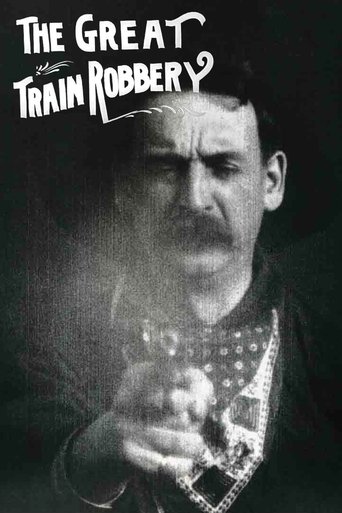
The Great Train Robbery
1903
An Artist's Dream
1900
Battle of Chemulpo Bay
1904
Life of an American Fireman
1903
Dream of a Rarebit Fiend
1906
Electrocuting an Elephant
1903
Faust and Marguerite
1900
Tess of the Storm Country
1914
Alice's Adventures in Wonderland
1910
Another Job for the Undertaker
1901
Babies Rolling Eggs
1902
The Artist's Dilemma
1901
Jack and the Beanstalk
1902
Execution of Czolgosz with Panorama of Auburn Prison
1901
Terrible Teddy, the Grizzly King
1901
Pan-American Exposition by Night
1901No Poster
The Magician
1900
The Martyred Presidents
1901
The Mystic Swing
1900
Laura Comstock's Bag-Punching Dog
1901
Uncle Josh in a Spooky Hotel
1900
Maniac Chase
1904
Uncle Josh at the Moving Picture Show
1902
Uncle Josh's Nightmare
1900
The Tramp's Unexpected Skate
1901
The Finish of Bridget McKeen
1901
European Rest Cure
1904
Coney Island at Night
1905
The Kleptomaniac
1905
Dog Factory
1904
The Gay Shoe Clerk
1903
The Lighthouse by the Sea
1911
The Ex-Convict
1904
The Train Wreckers
1905
The Kiss
1900
The Seven Ages
1905
The Terrible Kids
1906
Cohen’s Fire Sale
1907
A Dull Razor
1900
Fun in a Bakery Shop
1902
College Chums
1907
Getting Evidence
1906
How Jones Lost His Roll
1905
How a French Nobleman Got a Wife Through the 'New York Herald' Personal Columns
1905
Kansas Saloon Smashers
1901
Nervy Nat Kisses the Bride
1904
Police Chasing Scorching Auto
1906
Rector's to Claremont
1904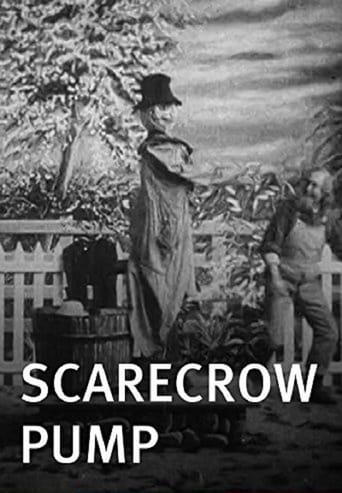
Scarecrow Pump
1904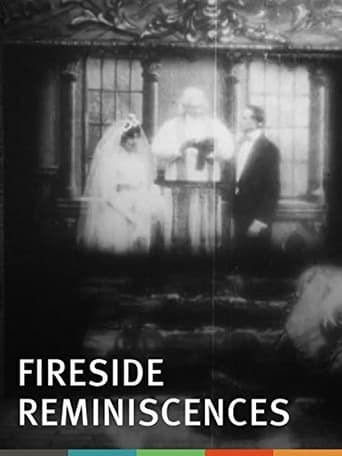
Fireside Reminiscences
1908
His Mother's Thanksgiving
1910
The Burglar's Slide for Life
1905
How the Office Boy Saw the Ball Game
1906
The Whole Dam Family and the Dam Dog
1905
Tale the Autumn Leaves Told
1908
What Happened in the Tunnel
1903
Uncle Tom's Cabin
1903
Rube and Mandy at Coney Island
1903
The Trainer’s Daughter, or A Race for Love
1907
The Little Train Robbery
1905
The Messenger Boy's Mistake
1903
Love by the Light of the Moon
1901
Rivals
1907
The House of Cards
1909No Poster