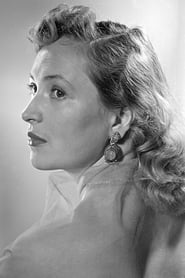
Klara Luchko
Actor
Born: July 1, 1925 in Chutovo, Poltava Oblast, Ukrainian SSR, Soviet Union Died: January 26, 2012 Active: 1948-2003 Birth Name: Klara Stepanovna Luchko
About Klara Luchko
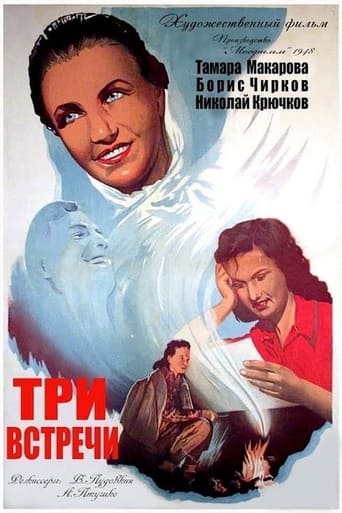
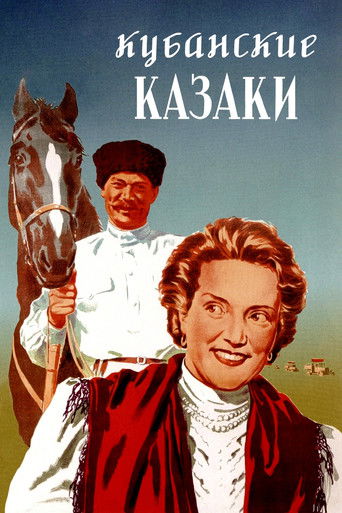
Klara Stepanovna Luchko was a celebrated Soviet actress who emerged as one of the most prominent film stars of the post-World War II era. Born in a small Ukrainian village, she rose from humble beginnings to become a symbol of Soviet cinema's golden age. After graduating from the prestigious Gerasimov Institute of Cinematography (VGIK) in 1948, she made her film debut in 'Three Encounters' the same year. Her breakthrough came with 'Cossacks of the Kuban' (1950), where she played the energetic collective farm worker Darya Shelest, a role that made her a household name across the Soviet Union. Throughout the 1950s and 1960s, she became the embodiment of the ideal Soviet woman - strong, beautiful, and dedicated to socialist ideals. Her career spanned over five decades, during which she appeared in more than 40 films and became one of the most recognizable faces in Soviet cinema. She was awarded the highest artistic honors in the USSR, including the title People's Artist of the USSR in 1985, cementing her legacy as one of the most important actresses in Soviet film history.
The Craft
On Screen
Luchko was known for her vibrant, energetic performances that embodied the socialist realist ideal. Her acting style was characterized by natural charisma, emotional expressiveness, and a powerful screen presence that combined strength with femininity. She excelled at portraying confident, forward-thinking Soviet women who were dedicated to collective work and socialist values. Her performances were marked by genuine warmth and optimism, making her characters relatable and inspiring to Soviet audiences.
Milestones
- Graduated from VGIK (1948)
- Film debut in 'Three Encounters' (1948)
- Starred in 'Cossacks of the Kuban' (1950)
- Received Stalin Prize (1951)
- Awarded title of People's Artist of the RSFSR (1969)
- Awarded title of People's Artist of the USSR (1985)
- Received Order 'For Merit to the Fatherland' (2000)
Best Known For
Iconic Roles
Must-See Films
Accolades
Won
- Stalin Prize (1951)
- Order of the Red Banner of Labour (1975)
- Vasilyev Brothers State Prize of the RSFSR (1976)
- Order 'For Merit to the Fatherland' 3rd class (1995)
- Order 'For Merit to the Fatherland' 2nd class (2000)
Nominated
- Nominated for Best Actress at various Soviet film festivals
Special Recognition
- People's Artist of the RSFSR (1969)
- People's Artist of the USSR (1985)
- Honored Artist of the RSFSR (1960)
- Order of Friendship (1999)
Working Relationships
Worked Often With
Studios
Why They Matter
Impact on Culture
Klara Luchko became a cultural icon in the Soviet Union, representing the ideal Soviet woman during the post-war reconstruction period. Her role in 'Cossacks of the Kuban' created a lasting image of the strong, optimistic collective farm worker that became ingrained in Soviet popular culture. She helped define the aesthetic of socialist realism in cinema, portraying characters that embodied the values of hard work, collective spirit, and dedication to socialist ideals. Her films were shown extensively throughout the Eastern Bloc and influenced cinematic representations of women in communist countries. Luchko's image appeared on posters, magazines, and promotional materials, making her one of the most recognizable faces in Soviet cultural propaganda.
Lasting Legacy
Klara Luchko's legacy endures as one of the defining actresses of Soviet cinema's golden age. She is remembered for her contributions to establishing the archetype of the Soviet heroine in film, blending traditional feminine qualities with the strength and determination valued in socialist society. Her performances continue to be studied in film schools across the former Soviet Union as examples of socialist realist acting at its finest. Even after the fall of the Soviet Union, her films remain cultural touchstones, frequently shown on television and discussed in retrospectives of Soviet cinema. She paved the way for future generations of actresses in Russian cinema and demonstrated how film could be used to shape social values and national identity.
Who They Inspired
Luchko influenced generations of Soviet and Russian actresses through her distinctive screen presence and commitment to character development. Her naturalistic yet emotionally charged acting style became a model for portraying strong female characters in Soviet cinema. Many actresses who followed, including Svetlana Svetlichnaya and Nonna Mordyukova, cited Luchko as an inspiration for their own careers. Her ability to balance glamour with approachability created a template for female stardom in Soviet cinema that persisted for decades. Her work also influenced how women were portrayed in cinema across the Eastern Bloc, contributing to a regional cinematic language that emphasized female strength and agency within socialist frameworks.
Off Screen
Klara Luchko's personal life was marked by her marriage to renowned Soviet film director Ivan Pyryev, which lasted from 1954 until his death in 1968. Their marriage was considered one of the most prominent unions in Soviet cinema. Despite her fame, she maintained a relatively private personal life and was known for her dedication to her craft. She never had children but was beloved by generations of Soviet filmgoers who saw her as a maternal figure on screen. After Pyryev's death, she never remarried and dedicated herself to her acting career and mentoring young actors.
Education
Graduated from the Gerasimov Institute of Cinematography (VGIK) in 1948, studied under renowned acting teachers Boris Bibikov and Olga Pyzhova
Family
- Ivan Pyryev (1954-1968)
Did You Know?
- Was discovered while working as a telephone operator during World War II
- Her role in 'Cossacks of the Kuban' was originally offered to another actress who turned it down
- The film 'Cossacks of the Kuban' became one of the highest-grossing Soviet films of all time
- She was the first Soviet actress to receive the Stalin Prize for acting
- Her image was used on Soviet postage stamps in the 1970s
- She continued acting well into her 70s, appearing in films until 2003
- Was a member of the Communist Party of the Soviet Union from 1954
- Her husband Ivan Pyryev was 27 years her senior
- She taught acting at VGIK for many years
- Received a star on the Moscow Walk of Fame in 2000
In Their Own Words
I always tried to bring truth and sincerity to every role, even when the characters were idealized
Cinema is not just entertainment, it's a powerful tool for educating and inspiring people
My greatest joy was seeing how audiences responded to my characters with such emotion
Being an actress in Soviet times meant being part of something bigger than yourself
I never considered myself a star - I was just a worker in the great art of cinema
Frequently Asked Questions
Who was Klara Luchko?
Klara Luchko was a celebrated Soviet actress who became one of the most prominent film stars of the post-World War II era, best known for her roles in socialist realist films that embodied the ideal Soviet woman.
What films is Klara Luchko best known for?
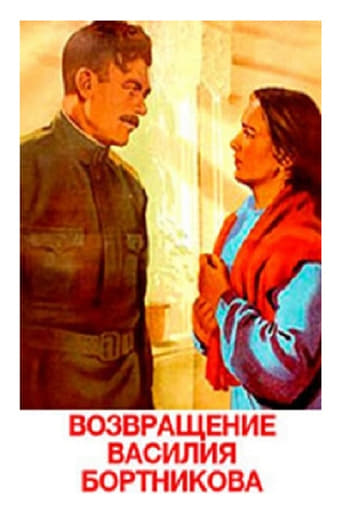
She is best known for 'Cossacks of the Kuban' (1950), 'Three Encounters' (1948), 'The Young Guard' (1948), and 'The Return of Vasili Bortnikov' (1953).
When was Klara Luchko born and when did she die?
She was born on July 1, 1925, in Chutovo, Ukrainian SSR, and died on January 26, 2012, in Moscow, Russia, at the age of 86.
What awards did Klara Luchko win?
She received the Stalin Prize in 1951, was named People's Artist of the USSR in 1985, and was awarded numerous state honors including the Order of the Red Banner of Labour and the Order 'For Merit to the Fatherland'.
What was Klara Luchko's acting style?
Her acting style was characterized by vibrant energy, emotional expressiveness, and a natural charisma that embodied socialist realist ideals, portraying strong, optimistic Soviet women dedicated to collective values.
Was Klara Luchko married?
Yes, she was married to renowned Soviet film director Ivan Pyryev from 1954 until his death in 1968. She never remarried and had no children.
What was Klara Luchko's impact on Soviet cinema?
She became a cultural icon representing the ideal Soviet woman, helped define the aesthetic of socialist realism in cinema, and influenced how women were portrayed in films across the Eastern Bloc for decades.
Learn More
Films
4 films