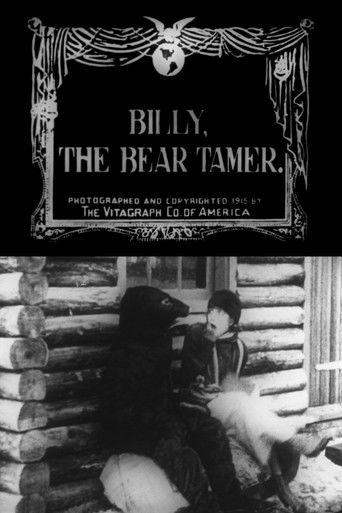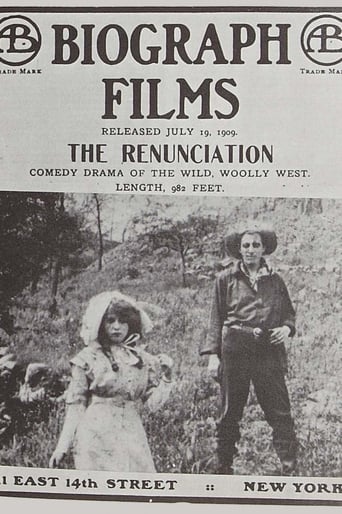
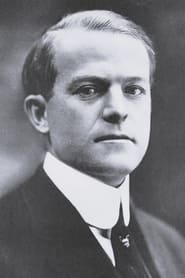
Billy Quirk
Actor
Born: March 27, 1873 in New York City, New York, USA Died: April 10, 1926 Active: 1908-1924 Birth Name: William J. Quirk
About Billy Quirk
Billy Quirk was a prolific character actor during the early silent film era, appearing in over 200 films between 1908 and 1924. He began his career with the Biograph Company, where he frequently worked under the direction of D.W. Griffith, becoming one of the director's reliable supporting actors. Quirk specialized in comedic roles and was known for his expressive face and physical comedy skills, which translated well to the medium of silent film. Throughout his career, he worked with other pioneering directors like Mack Sennett and appeared alongside early film stars such as Mary Pickford and Lionel Barrymore. As the film industry evolved and feature-length productions became the norm, Quirk continued to work steadily, though often in smaller roles. His career spanned the formative years of American cinema, from the early one-reelers to more sophisticated productions of the early 1920s. Quirk's final years were marked by declining health, though he continued to appear in films until shortly before his death in 1926.
The Craft
On Screen
Billy Quirk was known for his expressive facial features and physical comedy abilities, which made him particularly effective in silent film where visual storytelling was paramount. His acting style was typical of the early silent era - exaggerated gestures and facial expressions to convey emotion and intent to audiences. Quirk specialized in comic relief roles and character parts, often playing the bumbling friend, the drunkard, or the comic villain. His performances were energetic and broad, perfectly suited to the short one-reel comedies that dominated early cinema. As films became more sophisticated, Quirk adapted his style while maintaining his distinctive comedic timing.
Milestones
- Early work with Biograph Company
- Frequent collaborations with D.W. Griffith
- Transition from short films to feature-length productions
- Over 200 film appearances during silent era
Best Known For
Iconic Roles
Must-See Films
Films
17 films
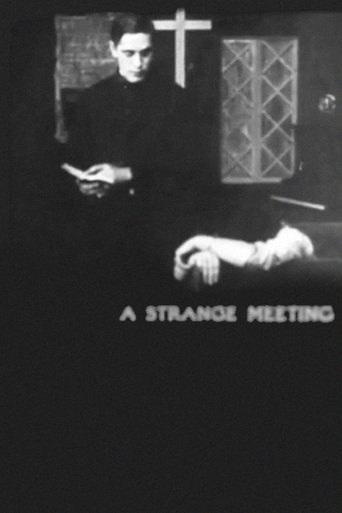
A Strange Meeting
1909
Getting Even
1909
What's Your Hurry?
1909
Faithful
1910
Nursing a Viper
1909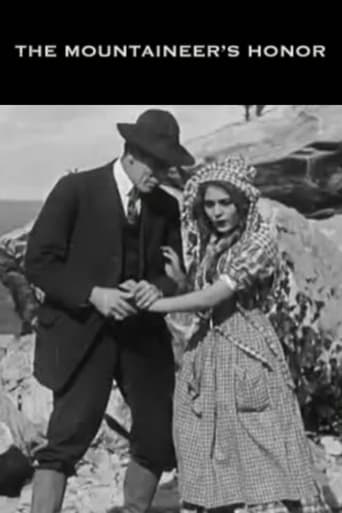
The Mountaineer's Honor
1909
The Necklace
1909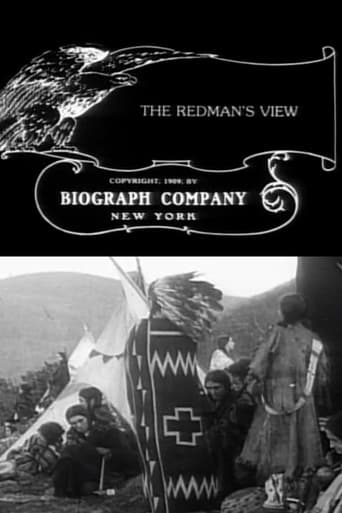
The Redman's View
1909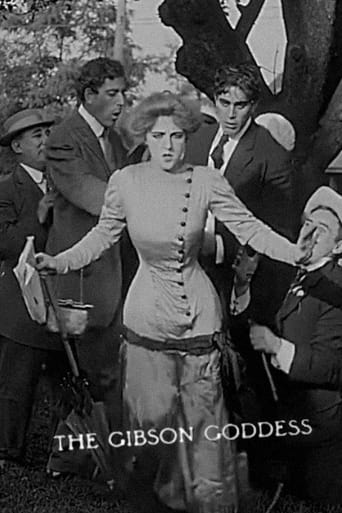
The Gibson Goddess
1909
Algie, the Miner
1912
Oh, Uncle!
1909
Sweet and Twenty
1909
Canned Harmony
1912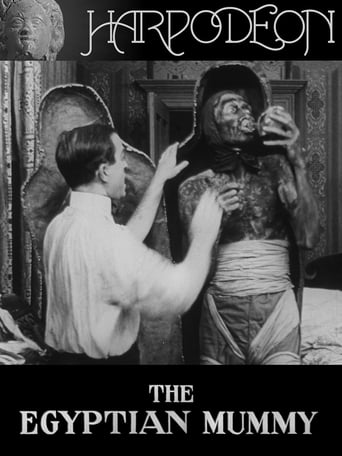
The Egyptian Mummy
1914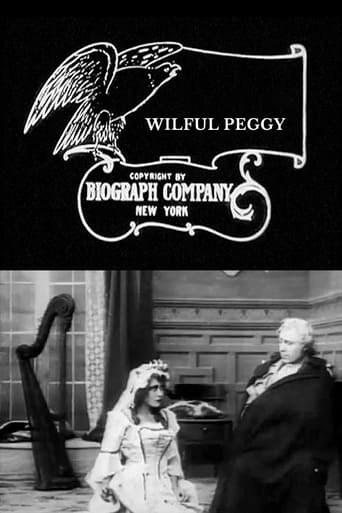
Wilful Peggy
1910