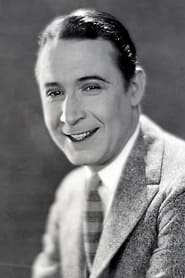
Monte Blue
Actor
Born: January 11, 1887 in Indianapolis, Indiana, USA Died: February 18, 1963 Active: 1915-1954 Birth Name: Gerard Montgomery Bluefeather
About Monte Blue
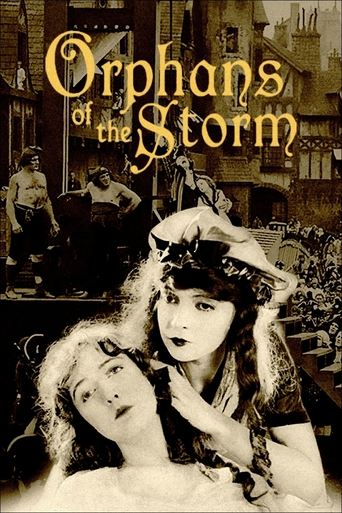
Monte Blue, born Gerard Montgomery Bluefeather, was a prominent American actor who rose to fame during the silent film era and successfully transitioned into sound films. He began his career working various manual labor jobs including as a lumberjack in the Pacific Northwest and as a railroad conductor before being discovered by legendary director D.W. Griffith. Blue made his film debut in 1915 and quickly became a popular leading man, known for his rugged good looks, commanding presence, and natural acting style. He worked extensively with major studios including Paramount, MGM, and Warner Bros., appearing in over 300 films throughout his remarkable career. Blue was particularly notable for his roles in silent epics like 'Orphans of the Storm' (1921) opposite Lillian and Dorothy Gish, and he continued his success in talkies with films like 'The Sea Hawk' (1940). He often portrayed strong, masculine characters and was equally adept at both dramatic and action roles, doing many of his own stunts. Despite his prolific career, Blue's star faded somewhat in the 1940s, though he continued working in smaller roles until his retirement in the early 1950s, leaving behind an impressive legacy as one of Hollywood's most reliable and versatile character actors.
The Craft
On Screen
Monte Blue was known for his naturalistic acting style that evolved from the exaggerated gestures characteristic of silent film to a more restrained, realistic approach in talkies. He possessed a commanding screen presence with a deep, resonant voice that served him exceptionally well in sound films. Blue was particularly adept at portraying strong, masculine characters with an underlying sensitivity, often playing heroes, adventurers, and romantic leads. His physical stature and rugged appearance made him ideal for action roles, yet he could convey deep emotion through subtle facial expressions and body language. Unlike many silent film stars, Blue adapted seamlessly to sound cinema, bringing authenticity and emotional depth to his performances without relying on theatrical mannerisms.
Milestones
- Discovered by D.W. Griffith while working as a railroad conductor
- Starred in the silent epic 'Orphans of the Storm' (1921) opposite the Gish sisters
- Successfully transitioned from silent films to talkies unlike many of his contemporaries
- Appeared in over 300 films during his career
- Starred in the adventure classic 'The Sea Hawk' (1940)
- Worked with major studios including Paramount, MGM, and Warner Bros.
- Received a star on the Hollywood Walk of Fame
Best Known For
Iconic Roles
Must-See Films
Accolades
Special Recognition
- Star on the Hollywood Walk of Fame (6280 Hollywood Boulevard)
Working Relationships
Worked Often With
Studios
Why They Matter
Impact on Culture
Monte Blue represented the archetypal leading man of the silent era who successfully adapted to the demands of sound cinema during one of the most transformative periods in film history. His career spanned the birth of Hollywood's studio system through the golden age of cinema, making him a living bridge between two distinct eras of filmmaking. Blue's ability to maintain a steady career across both silent and sound eras demonstrated the adaptability required for longevity in Hollywood and served as a model for other actors facing similar transitions. His work in early epics and adventure films helped establish popular genres and character archetypes that would influence cinema for decades, particularly the rugged, masculine hero who could be both tough and sensitive.
Lasting Legacy
Monte Blue's legacy lies in his remarkable longevity and versatility as an actor who successfully navigated one of the most challenging transitions in film history - the shift from silent to sound cinema. His extensive filmography, comprising over 300 films, serves as a valuable historical record of early Hollywood cinema and the evolution of acting styles from silent melodrama to realistic sound performance. While not as widely remembered today as some of his more famous contemporaries, Blue was a reliable and respected performer who contributed significantly to the development of American cinema during its formative decades. His career exemplifies the professionalism and adaptability that characterized the best of Hollywood's studio system actors.
Who They Inspired
Blue's successful transition from silent films to talkies influenced many actors facing similar challenges in the late 1920s and early 1930s. His naturalistic approach to acting, particularly his ability to convey emotion through subtle means rather than grand gestures, helped pave the way for more realistic acting styles in sound cinema. His career demonstrated the importance of adaptability and professionalism in the rapidly changing film industry, and his work ethic and reliability set a standard for character actors who followed. Blue's ability to maintain steady employment across multiple decades and studio systems showed younger actors how to build sustainable careers in an industry known for its volatility.
Off Screen
Monte Blue was married twice during his lifetime and maintained a relatively private personal life despite his Hollywood fame. His first marriage was to actress Tula Belle, which ended in divorce after several years. He later married Virginia Vance, with whom he remained until her death in 1947. Blue had two children from his marriages, though their names and details are not widely documented in historical records. He was known for being a down-to-earth individual who kept his personal affairs away from the Hollywood spotlight, focusing instead on his craft and maintaining a steady work ethic throughout his long career. Blue was also a close friend of fellow actor John Barrymore and was respected by his peers for his professionalism and reliability on film sets.
Education
Limited formal education; worked various manual labor jobs including lumberjack and railroad conductor before entering films
Family
- Tula Belle (1916-1923)
- Virginia Vance (1924-1947, until her death)
Did You Know?
- Monte Blue's birth name was Gerard Montgomery Bluefeather, and he had Native American ancestry
- He was discovered by D.W. Griffith while working as a railroad conductor
- Before acting, he worked as a lumberjack in the Pacific Northwest
- He appeared in over 300 films during his career
- Blue was one of the few silent stars who successfully transitioned to sound films
- He served in World War I before his acting career took off
- Blue was known for doing many of his own stunts in action films
- He was a close friend of fellow actor John Barrymore
- Despite his extensive career, he never received major competitive acting awards
- His star on the Hollywood Walk of Fame is located at 6280 Hollywood Boulevard
- He worked with all the major studios during his career
- Blue was known for his deep, resonant voice which helped him in talkies
In Their Own Words
The secret to longevity in pictures is simply showing up and doing your job well. The rest takes care of itself.
Silent films taught me the importance of expression without words. Sound just added another tool to the actor's kit.
Working with D.W. Griffith was like attending the finest film school imaginable. He understood the camera like no one else.
Frequently Asked Questions
Who was Monte Blue?
Monte Blue was a prolific American actor who starred in over 300 films during the silent era and early sound period. He was known for his rugged leading man roles and successfully transitioned from silent films to talkies, a feat many of his contemporaries couldn't achieve.
What films is Monte Blue best known for?
Monte Blue is best known for his roles in 'Orphans of the Storm' (1921) opposite the Gish sisters, 'The Affairs of Anatol' (1921), 'The Sea Hawk' (1940), and his early work in D.W. Griffith films like 'Martyrs of the Alamo' (1915) and 'Wild and Woolly' (1917).
When was Monte Blue born and when did he die?
Monte Blue was born on January 11, 1887, in Indianapolis, Indiana, and passed away on February 18, 1963, in Milwaukee, Wisconsin, at the age of 76.
What awards did Monte Blue win?
While Monte Blue didn't receive major competitive awards during his career, he was honored with a star on the Hollywood Walk of Fame for his significant contributions to American cinema over nearly four decades.
What was Monte Blue's acting style?
Monte Blue's acting style evolved from the exaggerated expressions of silent film to a more naturalistic approach in talkies. He was known for his commanding screen presence, deep voice, and ability to portray strong masculine characters with underlying sensitivity.
How did Monte Blue get discovered?
Monte Blue was discovered by legendary director D.W. Griffith while working as a railroad conductor. Griffith recognized his potential and cast him in films, launching his extensive career in Hollywood.
How many films did Monte Blue appear in?
Monte Blue appeared in over 300 films throughout his career, which spanned from 1915 to the early 1950s, making him one of the most prolific actors of his era.
Was Monte Blue successful in talkies?
Yes, Monte Blue was one of the few silent film stars who successfully transitioned to sound films. His deep, resonant voice and naturalistic acting style served him well in talkies, allowing him to continue his career into the 1940s.
Learn More
Films
19 films

Martyrs of the Alamo
1915
The Marriage Circle
1924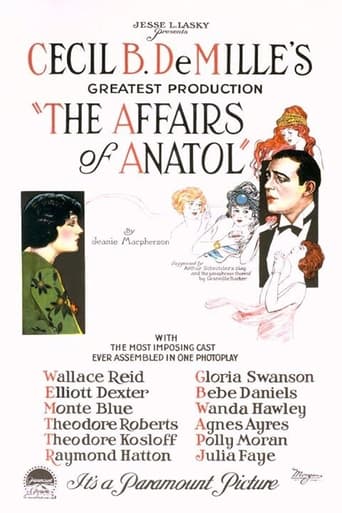
The Affairs of Anatol
1921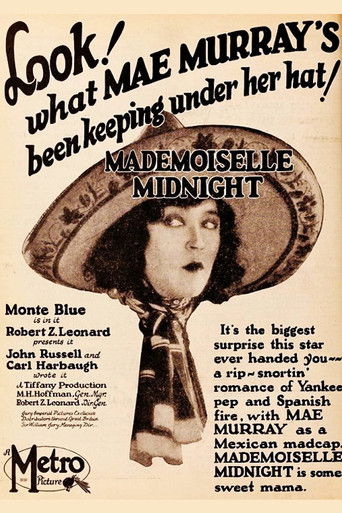
Mademoiselle Midnight
1924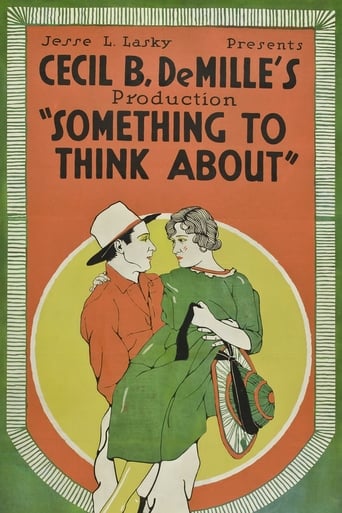
Something to Think About
1920
The Big Wheel
1949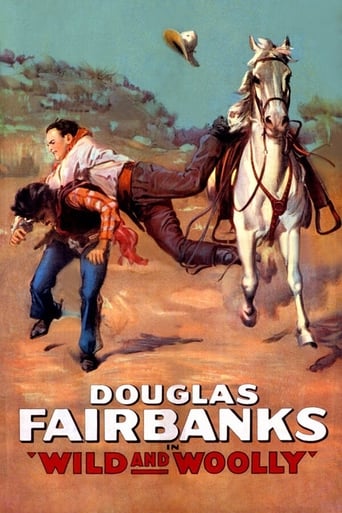
Wild and Woolly
1917
White Shadows in the South Seas
1928
Why We Fight: Divide and Conquer
1943
So This Is Paris
1926
Defying Destiny
1923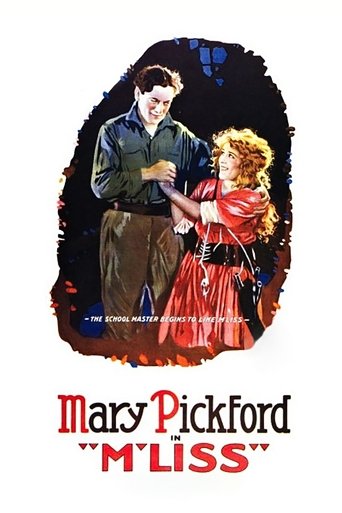
M'Liss
1918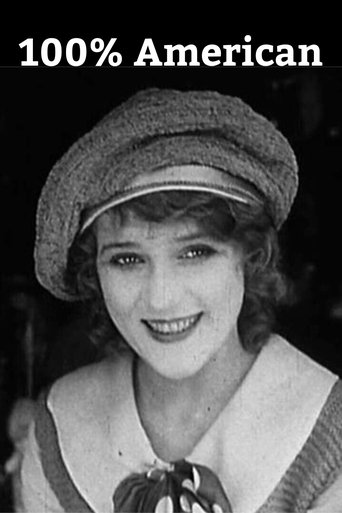
100% American
1918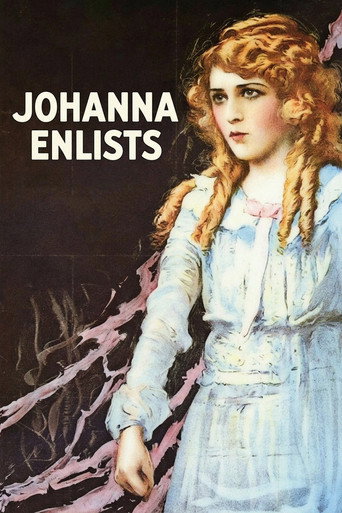
Johanna Enlists
1918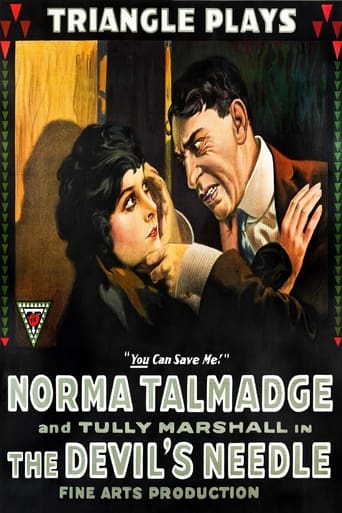
The Devil's Needle
1916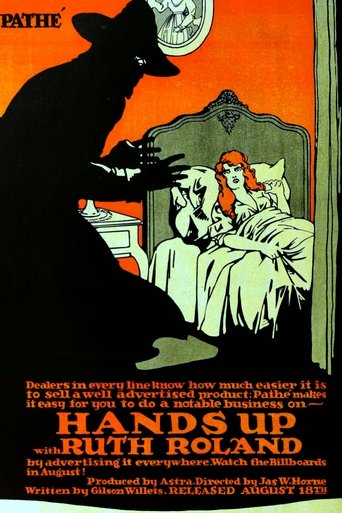
Hands Up
1918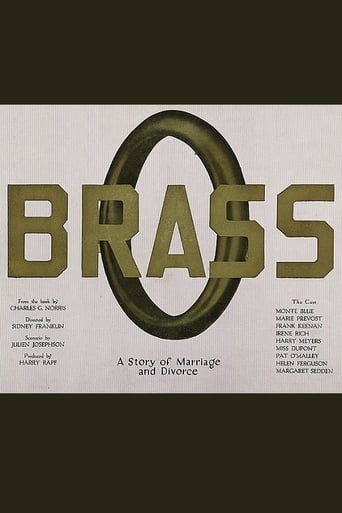
Brass
1923