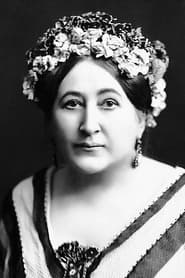
Josephine Crowell
Actor
Born: October 19, 1859 in Nova Scotia, Canada Died: July 27, 1932 Active: 1914-1929
About Josephine Crowell
Josephine Crowell was a distinguished Canadian-American actress who became one of the most recognizable character performers of the silent film era. Born in Nova Scotia, Canada, she began her acting career on the stage before transitioning to films in the early 1910s. Crowell quickly established herself as a versatile character actress, particularly excelling in maternal roles, stern matriarchs, and society women. She worked extensively with pioneering director D.W. Griffith, appearing in many of his most significant films including 'The Birth of a Nation' (1915) and 'Intolerance' (1916). Throughout her career, she appeared in over 200 films, working with major stars like Mary Pickford, Lillian Gish, and Douglas Fairbanks. Her career spanned the entire silent era and extended briefly into the early sound period before her retirement in 1929. Crowell's commanding screen presence and ability to convey complex emotions through subtle gestures made her a favorite among directors and audiences alike.
The Craft
On Screen
Crowell was known for her naturalistic yet commanding screen presence, particularly excelling in portraying matriarchal figures with authority and dignity. Her acting style was characterized by subtle facial expressions and restrained gestures, which made her performances feel authentic even in the melodramatic context of silent films. She had a remarkable ability to convey complex emotions through her eyes and posture, making her particularly effective in roles requiring emotional depth and gravitas.
Milestones
- Breakthrough role in D.W. Griffith's 'The Birth of a Nation' (1915)
- Memorable performance in 'Intolerance' (1916)
- Key supporting role in 'Hearts of the World' (1918)
- Extensive collaboration with Mary Pickford in multiple films
- Transition from stage actress to successful film performer
- Appeared in over 200 films during 15-year career
Best Known For
Iconic Roles
Must-See Films
Accolades
Special Recognition
- Star on the Hollywood Walk of Fame (for contributions to motion pictures)
Working Relationships
Worked Often With
Studios
Why They Matter
Impact on Culture
Josephine Crowell played a significant role in establishing the archetype of the strong maternal figure in American cinema. Her work with D.W. Griffith helped define the visual language of narrative film, particularly in how character actors could support and enhance leading performances. As one of the few Canadian actresses to achieve major success in early Hollywood, she helped pave the way for other international performers in American cinema. Her ability to transition successfully from stage to screen demonstrated the evolving nature of acting techniques during the birth of the film industry.
Lasting Legacy
Josephine Crowell's legacy endures through her contributions to some of the most influential films of the silent era. Her performances in Griffith's epics remain studied examples of early screen acting technique, demonstrating how character actors could provide emotional anchors in large-scale productions. Though many of her films have been lost, her surviving work showcases the depth and range possible in silent film performance. She represents the generation of stage-trained actors who successfully adapted to the new medium of cinema, bringing theatrical gravitas to the screen while developing film-specific techniques.
Who They Inspired
Crowell's naturalistic approach to character acting influenced subsequent generations of supporting performers in Hollywood. Her work demonstrated the importance of strong character actors in creating believable cinematic worlds, a principle that continues to guide casting and performance in contemporary filmmaking. Younger actresses studying her performances learned how to convey authority and emotion through minimal means, a valuable skill in the subtlety-driven medium of film.
Off Screen
Josephine Crowell was known to be a private individual who kept her personal life largely out of the public eye. She was married to fellow actor James Vincent, with whom she occasionally appeared in films. Despite her extensive film career, she maintained a relatively modest lifestyle and was respected by colleagues for her professionalism and dedication to her craft. After retiring from films, she lived quietly in Los Angeles until her death in 1932.
Education
Stage training in theatrical companies prior to film career
Family
- James Vincent (1915-1932)
Did You Know?
- Was already in her 50s when she began her film career
- Appeared in both parts of D.W. Griffith's 'Intolerance' (1916)
- Worked as a stock company actress on stage before entering films
- Was one of the few actresses to successfully transition from stage to film during the early 1910s
- Often played characters much older than her actual age
- Her film career coincided exactly with the golden age of silent cinema
- Retired just as sound films were becoming dominant
- Was known for her reliability and professionalism on set
- Often typecast as mothers and aristocratic women due to her dignified bearing
- Worked with virtually every major director of the silent era
In Their Own Words
The camera sees everything, even what you try to hide. That's why honesty in performance is so important.
In silent pictures, we had to speak with our eyes. Every gesture meant something.
Working with Mr. Griffith taught me that film acting is not about being bigger than life, but about being realer than real.
Frequently Asked Questions
Who was Josephine Crowell?
Josephine Crowell was a Canadian-American actress who became one of the most prominent character performers of the silent film era, appearing in over 200 films between 1914 and 1929, particularly known for her work with director D.W. Griffith.
What films is Josephine Crowell best known for?
She is best known for her roles in D.W. Griffith's epics 'The Birth of a Nation' (1915) and 'Intolerance' (1916), as well as 'Hearts of the World' (1918), 'Rebecca of Sunnybrook Farm' (1917), and 'Stella Maris' (1918).
When was Josephine Crowell born and when did she die?
Josephine Crowell was born on October 19, 1859, in Nova Scotia, Canada, and died on July 27, 1932, in Los Angeles, California, at the age of 72.
What awards did Josephine Crowell win?
While she did not receive major film awards during her career (as the Academy Awards were established near her retirement), she was honored with a star on the Hollywood Walk of Fame for her contributions to motion pictures.
What was Josephine Crowell's acting style?
Crowell was known for her naturalistic yet commanding screen presence, excelling in portraying matriarchal figures with authority and dignity through subtle facial expressions and restrained gestures, making her particularly effective in roles requiring emotional depth.
How did Josephine Crowell impact silent cinema?
She helped establish the archetype of the strong maternal figure in American cinema and demonstrated how character actors could provide emotional anchors in large-scale productions, particularly through her influential work with D.W. Griffith.
Was Josephine Crowell married?
Yes, she was married to fellow actor James Vincent from 1915 until her death in 1932, and they occasionally appeared together in films.
Why did Josephine Crowell retire from acting?
Crowell retired in 1929 just as the transition to sound films was occurring, ending her career at the age of 70 after a successful 15-year run in silent cinema.
Learn More
Films
16 films
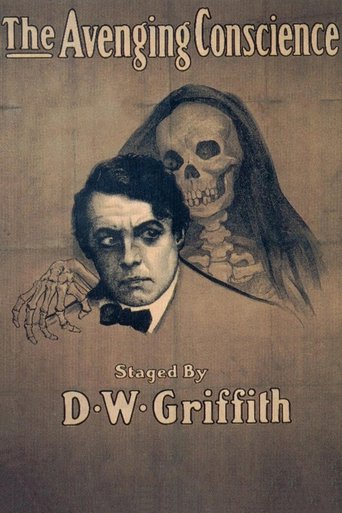
The Avenging Conscience
1914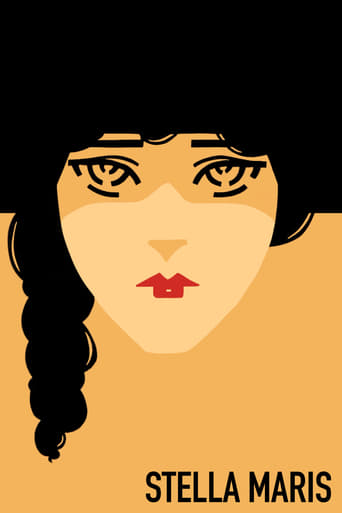
Stella Maris
1918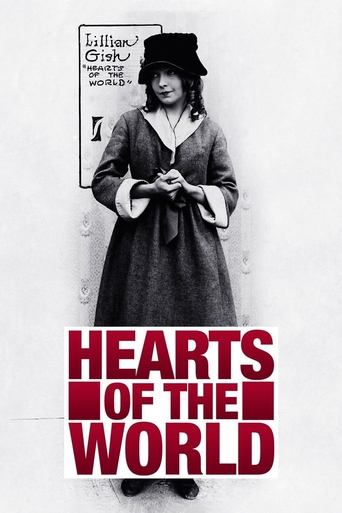
Hearts of the World
1918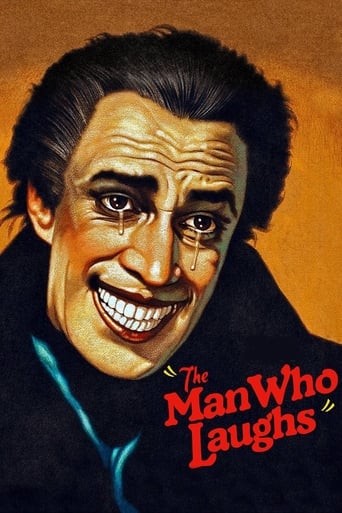
The Man Who Laughs
1928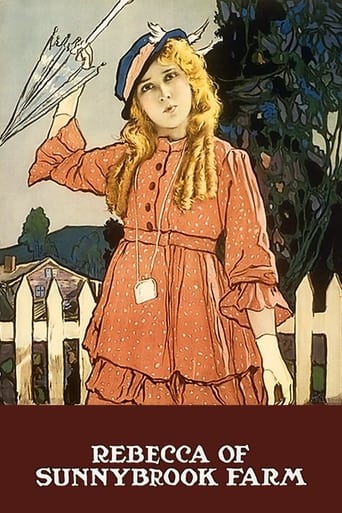
Rebecca of Sunnybrook Farm
1917
Wrong Again
1929
Home, Sweet Home
1914
Hot Water
1924
The Greatest Question
1919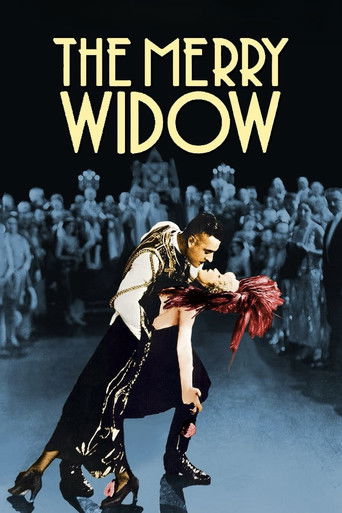
The Merry Widow
1925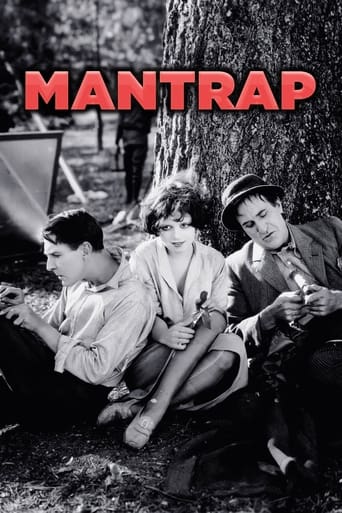
Mantrap
1926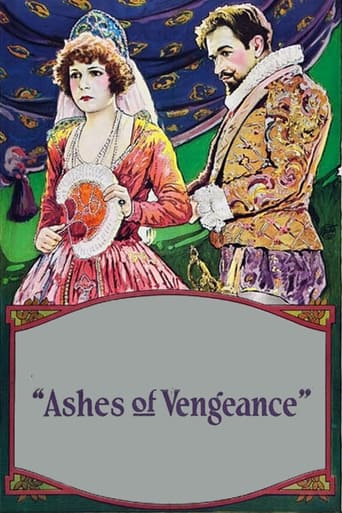
Ashes of Vengeance
1923
The Sporting Venus
1925
Flowing Gold
1924