
Andrey Fayt
Actor
Born: August 15, 1903 in Moscow, Russian Empire Died: January 17, 1976 Active: 1929-1944 Birth Name: Andrey Andreyevich Fayt
About Andrey Fayt
Andrey Fayt was a prominent Soviet actor who emerged during the transition from silent films to early sound cinema in the 1920s and 1930s. He began his film career in 1929 with 'Two-Buldi-Two,' quickly establishing himself as a versatile character actor capable of portraying both dramatic and comedic roles. Throughout the 1930s, Fayt became known for his work in Soviet propaganda films and literary adaptations, including notable performances in 'The Great Consoler' (1933) and 'Boule de Suif' (1934). His acting style was characterized by a naturalistic approach that helped bridge the theatrical traditions of Russian stage acting with the emerging realism of Soviet cinema. Despite his relatively short active period ending in 1944, Fayt left a significant mark on early Soviet sound films, often playing supporting roles that added depth and authenticity to the productions. His career coincided with a crucial period in Soviet cinema history, when the industry was developing its own unique cinematic language separate from Western influences.
The Craft
On Screen
Naturalistic and versatile, Fayt's acting style combined traditional Russian theatrical techniques with the emerging realism of early Soviet cinema. He was known for his ability to seamlessly transition between dramatic and comedic roles, bringing authenticity to both historical and contemporary characters. His performances were marked by subtle facial expressions and controlled gestures that suited the new medium of sound film.
Milestones
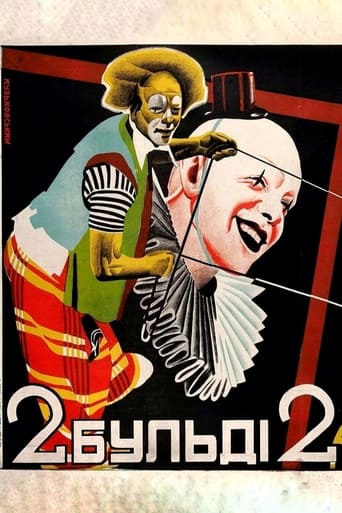
- Film debut in 'Two-Buldi-Two' (1929)
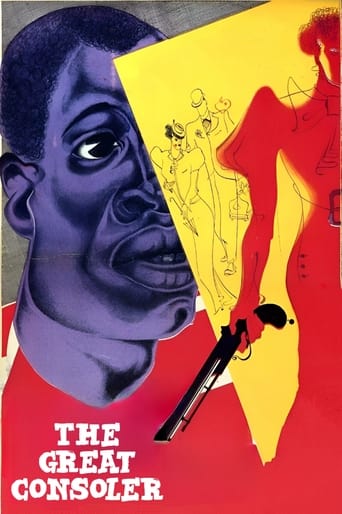
- Notable role in 'The Great Consoler' (1933)
- Performance in 'Boule de Suif' (1934)
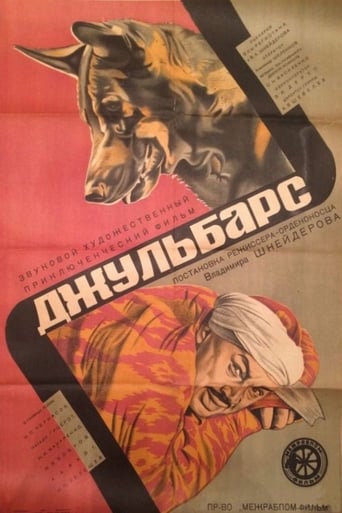
- Starred in 'Dzhulbars' (1935)
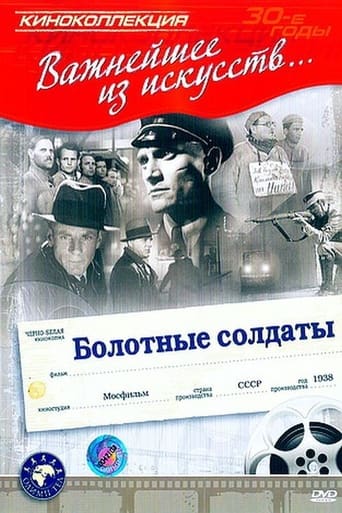
- Final film appearance in 'Peat-Bog Soldiers' (1938)
Best Known For
Iconic Roles
Must-See Films
Accolades
Special Recognition
- Honored Artist of the RSFSR
Working Relationships
Worked Often With
Studios
Why They Matter
Impact on Culture
Andrey Fayt contributed to the development of Soviet sound cinema during its crucial formative years. As an actor working in the early 1930s, he was part of the generation that helped establish the conventions of Soviet film acting in the sound era. His work in literary adaptations helped bring classic Russian and international literature to Soviet audiences through the medium of cinema, contributing to the cultural education goals of the Soviet state. Though not as widely remembered internationally as some of his contemporaries, Fayt was part of the foundation upon which Soviet cinema's golden age was built.
Lasting Legacy
Andrey Fayt's legacy lies in his contribution to early Soviet sound cinema and the development of a distinctly Soviet acting style. His performances in the 1930s helped establish precedents for character acting in Soviet films, particularly in adaptations of literary works. While his film career was relatively brief, ending in 1944, his work represents an important transitional period in Russian cinema history. The films he appeared in are now valuable historical documents that showcase the evolution of Soviet film art and propaganda during the Stalin era.
Who They Inspired
Fayt influenced subsequent generations of Soviet actors through his naturalistic approach to film acting, which helped move away from the more exaggerated styles common in silent films. His ability to portray both dramatic and comedic characters demonstrated the versatility required in the new sound era, setting examples for actors who followed. His work in literary adaptations also showed how classic texts could be successfully translated to the screen, influencing future Soviet filmmakers in their approach to adaptation.
Off Screen
Andrey Fayt lived through one of the most tumultuous periods in Russian history, including the Russian Revolution and the establishment of the Soviet Union. His career spanned the formative years of Soviet cinema, when the state was heavily involved in film production as a means of propaganda and cultural education. Like many artists of his generation, his work was shaped by the political and social demands of the Soviet system.
Education
Family
- Information not widely documented
Did You Know?
- Began his film career during the transition from silent to sound films in the Soviet Union
- His most active period coincided with Stalin's rule and the height of Soviet socialist realism in art
- Worked during a time when cinema was heavily state-controlled and used as a propaganda tool
- Participated in the early development of Soviet sound film techniques
- His filmography includes adaptations of both Russian and international literary works
- Like many Soviet artists of his era, his career was shaped by the political demands of the time
- His relatively short film career (1929-1944) was typical for many Soviet actors whose careers were affected by World War II
- The films he appeared in are now considered important historical artifacts of early Soviet cinema
In Their Own Words
Information about specific quotes is not widely documented in available sources
Frequently Asked Questions
Who was Andrey Fayt?
Andrey Fayt was a Soviet actor active during the early sound film era from 1929 to 1944, known for his work in films like 'Two-Buldi-Two' and 'The Great Consoler.' He was part of the generation that helped establish Soviet sound cinema conventions during the Stalin era.
What films is Andrey Fayt best known for?
Fayt is best known for his roles in 'Two-Buldi-Two' (1929), 'The Great Consoler' (1933), 'Boule de Suif' (1934), 'Dzhulbars' (1935), and 'Peat-Bog Soldiers' (1938). These films represent his most significant contributions to early Soviet cinema.
When was Andrey Fayt born and when did he die?
Andrey Fayt was born on August 15, 1903, in Moscow, Russian Empire, and died on January 17, 1976, in the Soviet Union at the age of 72.
What awards did Andrey Fayt win?
Fayt was recognized as an Honored Artist of the RSFSR, though specific details about other awards and nominations are not widely documented in available sources. Like many Soviet artists, his recognition came primarily through state honors rather than industry awards.
What was Andrey Fayt's acting style?
Fayt's acting style was naturalistic and versatile, combining traditional Russian theatrical techniques with the emerging realism of early Soviet cinema. He was known for his ability to transition between dramatic and comedic roles using subtle expressions and controlled gestures suited for sound films.
Learn More
Films
12 films