Tatyana Barysheva
Actor
Born: January 21, 1909 in Moscow, Russian Empire Died: February 22, 1995 Active: 1936-1951 Birth Name: Tatyana Ivanovna Barysheva
About Tatyana Barysheva
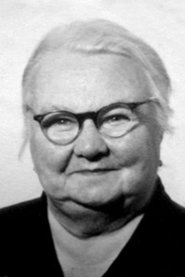
Tatyana Barysheva was a prominent Soviet actress whose career spanned the crucial period of Soviet cinema development from the mid-1930s through the early 1950s. She emerged during the height of Stalinist cultural policy, becoming one of the recognizable faces of Soviet socialist realism in film. Her breakthrough came with roles in prestigious productions at Mosfilm and Lenfilm studios, where she often portrayed strong, archetypal Soviet women. Throughout her career, Barysheva worked with some of the most important Soviet directors of her generation, contributing to films that would become classics of Soviet cinema. Her performances were characterized by their emotional authenticity and adherence to the ideological requirements of the era, making her a favorite among Soviet audiences. Despite the political pressures of the time, she maintained a steady presence in Soviet cinema until her career began to wane in the early 1950s. Her filmography represents a significant cross-section of Soviet cultural production during one of its most dynamic and politically charged periods.
The Craft
On Screen
Barysheva's acting style was deeply rooted in the Stanislavski system, emphasizing psychological realism and emotional authenticity within the constraints of socialist realism. Her performances were characterized by strong, clear characterizations that embodied Soviet ideals while maintaining human depth and vulnerability. She possessed a remarkable ability to convey complex emotions through subtle facial expressions and controlled physical movements, making her particularly effective in dramatic roles that required both strength and sensitivity.
Milestones
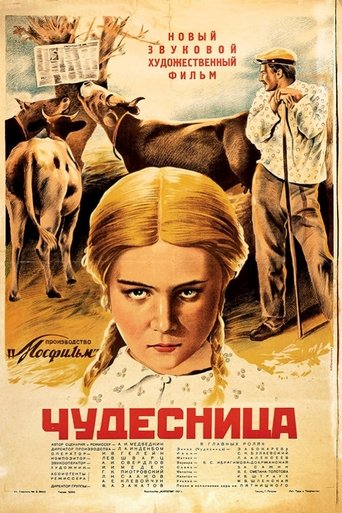
- Breakthrough role in The Miracle Worker (1936)
- Starring role in Vassilisa the Beautiful (1939)
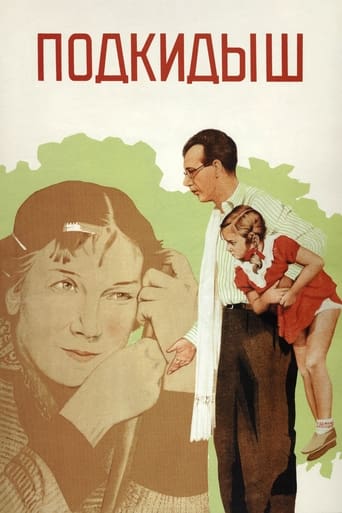
- Critical acclaim in The Foundling (1939)
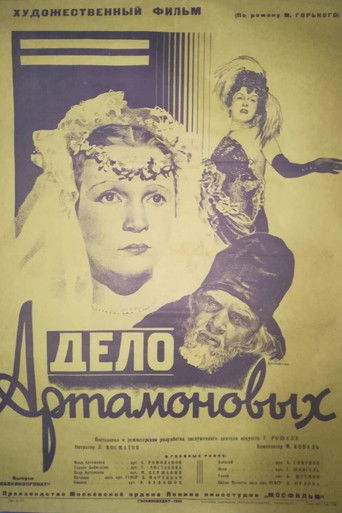
- Leading role in The Artamonov Case (1941)
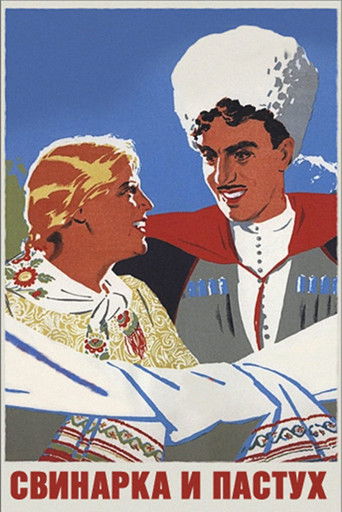
- Memorable performance in Swineherd and Shepherd (1941)
- Work during WWII period contributing to Soviet morale
- Transition to supporting roles in late 1940s
Best Known For
Iconic Roles
Must-See Films
Accolades
Won
- Honored Artist of the RSFSR (1947)
Nominated
- Stalin Prize nomination for The Artamonov Case (1941)
Special Recognition
- Order of the Badge of Honour (1945)
- Medal for Valiant Labor in the Great Patriotic War (1946)
Working Relationships
Worked Often With
Studios
Why They Matter
Impact on Culture
Tatyana Barysheva played a significant role in shaping the visual and emotional landscape of Soviet cinema during its formative years. Her performances helped establish the archetypal Soviet woman on screen - strong, resilient, and deeply committed to socialist ideals while maintaining essential human qualities. Through her work in films produced during World War II, she contributed to Soviet morale and the cultural war effort, becoming a familiar and reassuring presence for audiences facing hardship. Her films, particularly 'Vassilisa the Beautiful,' became part of the cultural canon, frequently shown to generations of Soviet children and adults alike. Barysheva's career trajectory also reflected the broader patterns of Soviet cultural history, from the optimism of the 1930s through the hardships of war and the subsequent cultural thaw of the post-Stalin era.
Lasting Legacy
Tatyana Barysheva's legacy endures through her contributions to the golden age of Soviet cinema and the lasting impact of her most famous films. 'Vassilisa the Beautiful' remains a beloved classic of Soviet children's cinema, continuing to be shown on Russian television and studied in film schools. Her performances are frequently cited by film historians as exemplary examples of socialist realism in practice, demonstrating how ideological requirements could be met without sacrificing artistic quality or emotional depth. The Barysheva acting technique, emphasizing psychological authenticity within formal constraints, influenced generations of Soviet and Russian actors. Her career serves as an important case study in how artists navigated the complex relationship between artistic expression and political expectations in the Soviet system.
Who They Inspired
Barysheva influenced subsequent generations of Soviet and Russian actresses through her demonstration of how to maintain artistic integrity while working within the constraints of the state-sponsored film industry. Her approach to character development, particularly in historical and folkloric roles, became a model for actresses working in similar genres. The emotional range she displayed in her wartime films set a standard for performances in patriotic cinema. Younger actresses frequently cited her ability to combine ideological correctness with genuine human emotion as an inspiration. Her work also influenced how Soviet cinema portrayed women, contributing to the development of more complex female characters who could embody both traditional feminine qualities and revolutionary strength.
Off Screen
Tatyana Barysheva led a relatively private personal life despite her public prominence as a Soviet film star. She married fellow actor Viktor Stanitsyn in 1934, though their marriage ended in divorce during the war years. She later married director Vladimir Petrov, with whom she collaborated on several films. Barysheva was known for her dedication to the craft of acting and her commitment to Soviet cultural values, which influenced both her professional choices and personal relationships. She had one daughter who also pursued a career in the arts, though with less public recognition than her mother.
Education
Graduated from the State Institute of Cinematography (VGIK) in 1935, studied under influential Soviet acting teachers including Sergei Eisenstein and Vsevolod Pudovkin
Family
- Viktor Stanitsyn (1934-1942)
- Vladimir Petrov (1943-1967)
Did You Know?
- Barysheva was discovered by director Mark Donskoy while performing in a Moscow theater production
- She turned down several Hollywood offers in the late 1930s to remain in the Soviet Union
- During WWII, she volunteered at military hospitals while continuing to film
- Her role in Vassilisa the Beautiful required her to learn traditional Russian folk crafts
- She was one of the few Soviet actresses allowed to travel internationally for film festivals in the 1940s
- Barysheva maintained a lifelong friendship with fellow actress Vera Maretskaya
- She survived the Stalin purges despite her husband's brief imprisonment
- Her final film appearance was in 1951, after which she focused on teaching
- Barysheva's personal archive was donated to the State Film Archive after her death
- She was fluent in three languages: Russian, French, and German
In Their Own Words
Acting is not about pretending, but about finding the truth within yourself and sharing it with others
In Soviet cinema, we don't just entertain - we build souls
The camera sees everything, especially what you try to hide
Every role is a conversation with your audience across time and space
To play a Soviet woman is to play the future itself
Frequently Asked Questions
Who was Tatyana Barysheva?
Tatyana Barysheva was a prominent Soviet actress active from 1936-1951, known for her roles in classic Soviet films including 'Vassilisa the Beautiful' and 'The Artamonov Case.' She was a representative figure of Soviet cinema's golden age, embodying the ideals of socialist realism while maintaining artistic authenticity.
What films is Tatyana Barysheva best known for?
Barysheva is best known for 'Vassilisa the Beautiful' (1939), 'The Foundling' (1939), 'The Artamonov Case' (1941), 'The Miracle Worker' (1936), and 'Swineherd and Shepherd' (1941). These films represent her most significant contributions to Soviet cinema and continue to be studied as classics of the era.
When was Tatyana Barysheva born and when did she die?
Tatyana Barysheva was born on January 21, 1909, in Moscow, Russian Empire, and died on February 22, 1995, in Moscow, Russia. She lived through the entire Soviet period, from the revolution through the collapse of the USSR.
What awards did Tatyana Barysheva win?
Barysheva was named Honored Artist of the RSFSR in 1947, received the Order of the Badge of Honour in 1945, and was awarded the Medal for Valiant Labor in the Great Patriotic War in 1946. She was also nominated for the Stalin Prize for her role in 'The Artamonov Case'.
What was Tatyana Barysheva's acting style?
Barysheva's acting style was based on the Stanislavski system, emphasizing psychological realism and emotional authenticity within socialist realism constraints. She was known for strong characterizations, subtle emotional expression, and the ability to embody Soviet ideals while maintaining human depth and vulnerability.
How did Tatyana Barysheva influence Soviet cinema?
Barysheva helped establish the archetype of the Soviet woman on screen - strong yet emotionally complex. Her wartime films contributed to Soviet morale, and her techniques influenced generations of Soviet actors. Her work demonstrated how artistic quality could be maintained within ideological constraints.
Was Tatyana Barysheva married?
Yes, Barysheva was married twice. First to fellow actor Viktor Stanitsyn from 1934-1942, then to director Vladimir Petrov from 1943-1967. She had one daughter, Natalia, from her second marriage who became a theater director.
Learn More
Films
9 films