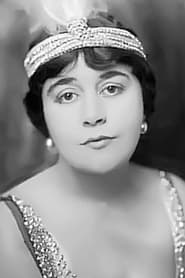
Virginia Pearson
Actor
Born: March 7, 1886 in Anchorage, Kentucky, USA Died: June 6, 1958 Active: 1914-1943 Birth Name: Virginia Belle Pearson
About Virginia Pearson
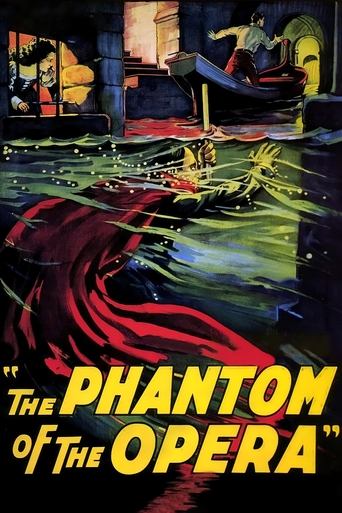
Virginia Pearson was an American silent film actress who rose to prominence during the 1910s and 1920s, becoming one of the era's recognizable character actresses. Born in 1886, she began her entertainment career on the Broadway stage before transitioning to films in 1914, signing with the Fox Film Corporation. Pearson quickly established herself as a versatile performer, appearing in numerous dramas, comedies, and adventure films throughout the silent era. She reached the height of her popularity in the mid-1920s with memorable roles in major productions including 'The Phantom of the Opera' (1925) alongside Lon Chaney. Her career continued through the transition to sound films, though her prominence diminished as new stars emerged. Pearson appeared in over 70 films throughout her career, often playing sophisticated women, villains, or supporting character roles. She retired from acting in the 1940s after a career spanning three decades of American cinema.
The Craft
On Screen
Virginia Pearson was known for her expressive silent film acting technique, utilizing dramatic gestures and facial expressions characteristic of the era. She specialized in portraying sophisticated, often villainous women with a commanding screen presence. Her performances combined theatrical training with cinematic sensibility, allowing her to convey complex emotions through subtle movements and intense gazes.
Milestones
- Broadway stage debut before films
- Signed with Fox Film Corporation in 1914
- Appeared in over 70 films
- Notable role in 'The Phantom of the Opera' (1925)
- Successful transition from silent to sound films
- Character actress roles throughout the 1930s
Best Known For
Iconic Roles
Must-See Films
Accolades
Special Recognition
- Hollywood Walk of Fame star (for motion pictures)
Working Relationships
Worked Often With
Studios
Why They Matter
Impact on Culture
Virginia Pearson contributed to the golden age of silent cinema by embodying the archetype of the sophisticated, often antagonistic female character. Her work in 'The Phantom of the Opera' helped establish the visual language of horror cinema and influenced how female characters were portrayed in early horror films. As one of the many character actresses who provided depth to silent films, Pearson helped demonstrate the importance of supporting roles in creating rich cinematic narratives.
Lasting Legacy
Virginia Pearson's legacy lies in her extensive body of work spanning the silent era into the early sound period. Her performances, particularly in classic horror and drama films, are studied by film historians interested in the evolution of acting techniques in early cinema. Her ability to transition from leading roles to character parts as she aged demonstrated the adaptability required for longevity in Hollywood. Though not as famous as some of her contemporaries, Pearson remains an important figure in understanding the breadth of talent that populated Hollywood during its formative years.
Who They Inspired
Pearson influenced subsequent generations of character actresses by demonstrating how to maintain relevance through different eras of filmmaking. Her work in horror films helped establish conventions for female characters in the genre that would be referenced and subverted by later filmmakers. Her professional longevity served as a model for actors seeking to adapt to the changing demands of the film industry.
Off Screen
Virginia Pearson married actor and director Robert Ellis in 1919, and the couple frequently worked together in films. Their marriage lasted until Ellis's death in 1931. Pearson was known for her professionalism and dedication to her craft, maintaining a successful career through multiple decades of changing film industry practices. She lived in Hollywood for most of her career and was active in various film industry organizations.
Education
Educated in Kentucky, received theatrical training before entering films
Family
- Robert Ellis (1919-1931)
Did You Know?
- She was one of the few actresses to successfully transition from Broadway to silent films
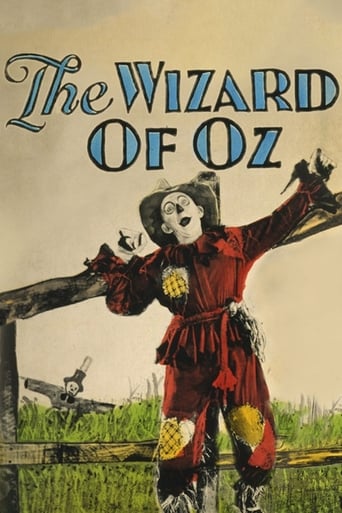
- Appeared in two different adaptations of 'The Wizard of Oz' in 1925
- Her role in 'The Phantom of the Opera' was as Carlotta, the opera singer
- She continued acting in small roles well into the sound era
- Pearson was often typecast as the 'other woman' or villain in melodramas
- She worked with legendary horror actor Lon Chaney in 'The Phantom of the Opera'
- Her film career spanned nearly 30 years, from 1914 to 1943
- She appeared in both comedy and dramatic films, showcasing her versatility
- Pearson was part of the early Hollywood star system that developed during the 1910s
- Her final film appearances were in uncredited bit roles in the early 1940s
In Their Own Words
The transition from stage to screen required learning a new language of expression, one that spoke through the camera rather than the back row of the theater.
Frequently Asked Questions
Who was Virginia Pearson?
Virginia Pearson was an American silent film actress active from 1914 to 1943, known for her roles in over 70 films including 'The Phantom of the Opera' (1925). She began her career on Broadway before transitioning to films and became a recognizable character actress during the silent era.
What films is Virginia Pearson best known for?
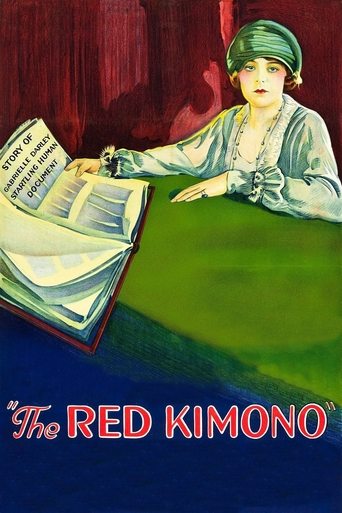
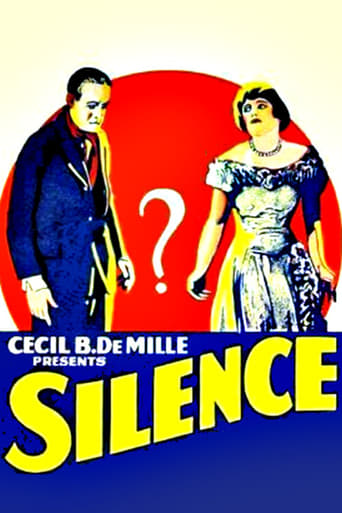
Virginia Pearson is best known for her role as Carlotta in 'The Phantom of the Opera' (1925) alongside Lon Chaney, as well as her appearances in 'The Wizard of Oz' (1925), 'The Red Kimona' (1925), and 'Silence' (1926). She also appeared in numerous other silent films throughout the 1910s and 1920s.
When was Virginia Pearson born and when did she die?
Virginia Pearson was born on March 7, 1886, in Anchorage, Kentucky, and died on June 6, 1958, in Hollywood, California, at the age of 72.
What awards did Virginia Pearson win?
While Virginia Pearson did not receive major acting awards during her career, she was honored with a star on the Hollywood Walk of Fame for her contributions to motion pictures. Her recognition came primarily through her extensive filmography and lasting impact on silent cinema.
What was Virginia Pearson's acting style?
Virginia Pearson employed the dramatic, expressive acting style typical of the silent film era, using exaggerated gestures and facial expressions to convey emotion. She specialized in playing sophisticated women and villains, bringing theatrical training to her screen performances that emphasized visual storytelling.
Did Virginia Pearson transition to sound films?
Yes, Virginia Pearson successfully transitioned from silent films to sound films, though her prominence diminished as the industry changed. She continued acting in smaller roles through the 1930s and early 1940s, demonstrating adaptability to the new medium of talking pictures.
Was Virginia Pearson married?
Virginia Pearson was married to actor and director Robert Ellis from 1919 until his death in 1931. The couple frequently worked together in films, and Pearson remained unmarried after Ellis's death.
Learn More
Films
4 films