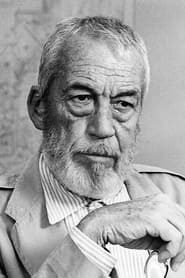
John Huston
Actor & Director
Born: August 5, 1906 in Nevada, Missouri, USA Died: August 28, 1987 Active: 1941-1987 Birth Name: John Marcellus Huston
About John Huston
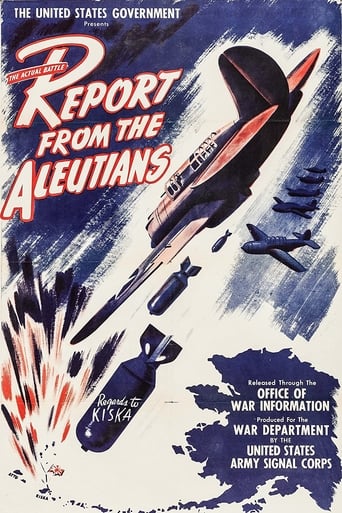
John Huston was one of Hollywood's most legendary directors, actors, and screenwriters, known for his distinctive visual style and mastery of multiple genres. Born into a theatrical family, he began his career as a screenwriter in the 1930s before making his directorial debut with 'The Maltese Falcon' (1941), which revolutionized film noir. During World War II, he served in the Army Signal Corps and directed several acclaimed documentaries including 'Report from the Aleutians' and 'The Battle of San Pietro.' Post-war, Huston directed some of cinema's greatest classics such as 'The Treasure of the Sierra Madre,' 'The African Queen,' and 'Key Largo.' He was equally comfortable behind and in front of the camera, delivering memorable performances in films like 'Chinatown' and 'The Cardinal.' Huston's career spanned five decades, during which he earned numerous Academy Award nominations and wins. His final years saw him continue working despite failing health, completing his last film 'The Dead' just before his death in 1987.
The Craft
On Screen
Huston's acting style was characterized by his commanding presence, distinctive gravelly voice, and naturalistic approach. He often played authoritative figures, villains, or complex patriarchs, bringing authenticity drawn from his real-life experiences. His performances were understated yet powerful, relying on his imposing physical presence and deep, resonant voice rather than theatrical gestures.
Behind the Camera
Huston was known for his masterful visual storytelling, preference for location shooting, and adaptation of literary works. His directing style emphasized realism, psychological depth, and complex character development. He often worked with themes of moral ambiguity, human frailty, and the corrupting influence of greed, employing a classical approach with precise composition and pacing.
Milestones
- Directed 'The Maltese Falcon' (1941) - directorial debut
- Won Academy Awards for 'The Treasure of the Sierra Madre' (1948)
- Directed 'The African Queen' (1951) earning Bogart his only Oscar
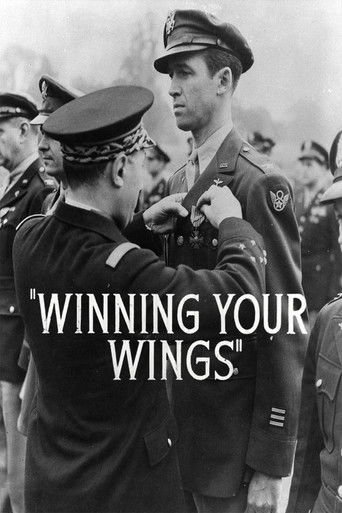
- Served in WWII creating acclaimed documentaries
- Directed father Walter Huston to Oscar win
- Acted in 'Chinatown' (1974) and 'The Wind and the Lion' (1975)
- Completed 37 feature films as director
Best Known For
Iconic Roles
Must-See Films
Accolades
Won
- Academy Award for Best Director - The Treasure of the Sierra Madre (1948)
- Academy Award for Best Adapted Screenplay - The Treasure of the Sierra Madre (1948)
- Golden Globe for Best Director - The Treasure of the Sierra Madre (1948)
- Golden Lion for Lifetime Achievement - Venice Film Festival (1987)
- Directors Guild of America Lifetime Achievement Award (1980)
Nominated
- Academy Award Best Director - The Maltese Falcon (1941)
- Academy Award Best Director - The Asphalt Jungle (1950)
- Academy Award Best Director - The African Queen (1951)
- Academy Award Best Director - Moulin Rouge (1952)
- Academy Award Best Director - Heaven Knows, Mr. Allison (1957)
- Academy Award Best Director - The Man Who Would Be King (1975)
- Academy Award Best Director - Prizzi's Honor (1985)
- Academy Award Best Supporting Actor - The Cardinal (1963)
Special Recognition
- Hollywood Walk of Fame star (1960)
- AFI Life Achievement Award (1983)
- National Board of Review Career Achievement Award (1975)
- Kennedy Center Honors (1983)
- Directors Guild of America Honorary Life Member
Working Relationships
Worked Often With
Studios
Why They Matter
Impact on Culture
John Huston fundamentally shaped American cinema through his mastery of film noir, adventure films, and literary adaptations. His WWII documentaries pioneered realistic combat filmmaking, influencing generations of war filmmakers. Huston's work exploring themes of moral ambiguity and human nature reflected post-war American consciousness, while his international productions helped globalize Hollywood filmmaking. His status as an actor-director created a template for filmmakers like Clint Eastwood and Robert Redford.
Lasting Legacy
John Huston's legacy endures through his 37 diverse films that continue to be studied and celebrated. He created the template for the modern film noir with 'The Maltese Falcon' and established himself as one of cinema's greatest adapters of literature. His family dynasty, including daughter Anjelica and son Danny, continues his filmmaking tradition. Huston's documentaries remain landmark achievements in nonfiction filmmaking, while his feature films represent some of Hollywood's most enduring classics.
Who They Inspired
Huston influenced countless filmmakers through his visual storytelling techniques, location shooting preferences, and ability to work across genres. His approach to adapting literature for the screen set standards that directors continue to follow. His realistic directing style and psychological depth in character development influenced film noir, Western, and adventure filmmakers. The Huston family's continued presence in cinema testifies to his lasting impact on the industry.
Off Screen
John Huston led a colorful and often controversial personal life, marked by five marriages, numerous affairs, and a reputation as a hard-living adventurer. He was an avid hunter, gambler, and world traveler who maintained homes in Ireland, Mexico, and California. His relationships were often tumultuous, but he maintained close bonds with his children in the film industry. Huston's later years were plagued by emphysema, but he continued working almost until his death.
Education
Attended several schools including Smith College School for Girls (briefly), Abraham Lincoln High School, and studied journalism at Columbia University before dropping out to pursue various careers including boxing and writing.
Family
- Dorothy Harvey (1925-1926)
- Lesley Black (1937-1945)
- Evelyn Keyes (1946-1950)
- Enrica Soma (1950-1969, her death)
- Celeste Shane (1972-1977)
Did You Know?
- Was an accomplished amateur boxer before entering films
- Served as a cavalry officer in the Mexican Army
- Directed both his father Walter and daughter Anjelica to Academy Awards
- Was colorblind, which influenced his distinctive visual style
- Spoke fluent Irish and maintained an estate in County Galway
- Was married five times and had numerous famous affairs
- Survived a near-fatal car accident in 1960
- Was a serious chess player who once drew against Bobby Fischer
- Directed three films that were nominated for Best Picture in the same year (1952)
- His WWII documentary 'The Battle of San Pietro' was initially banned by the U.S. government for being too realistic
In Their Own Words
The directing of a picture involves coming out of your individual loneliness and taking a controlling part in the joint creation.
I don't rehearse... I hate it. I think it's terrible. I think it's the worst thing in the world.
I live to see the world, to go places, to meet people, to do things. The film is the excuse.
I'm a writer, a director, and a producer. I'm not an actor, but I play one on screen.
I prefer to shoot on location. It gives the picture a reality that you can't get in a studio.
Frequently Asked Questions
Who was John Huston?
John Huston was one of America's most influential filmmakers, serving as director, screenwriter, and actor over a 45-year career. He directed classic films like 'The Maltese Falcon,' 'The Treasure of the Sierra Madre,' and 'The African Queen,' earning multiple Academy Awards. Huston was known for his distinctive visual style and ability to work across multiple genres.
What films is John Huston best known for?
Huston is best known for directing 'The Maltese Falcon' (1941), 'The Treasure of the Sierra Madre' (1948), 'Key Largo' (1948), 'The African Queen' (1951), 'The Asphalt Jungle' (1950), and 'The Man Who Would Be King' (1975). As an actor, he's remembered for his role as Noah Cross in 'Chinatown' (1974).
When was John Huston born and when did he die?
John Huston was born on August 5, 1906, in Nevada, Missouri, and died on August 28, 1987, in Middletown, Rhode Island, at age 81. He spent his final years at his estate in Ireland but returned to America for his death.
What awards did John Huston win?
Huston won two Academy Awards for 'The Treasure of the Sierra Madre' (Best Director and Best Adapted Screenplay), a Golden Globe for Best Director, the AFI Life Achievement Award, and the Directors Guild of America Lifetime Achievement Award. He received 15 Academy Award nominations throughout his career.
What was John Huston's directing style?
Huston's directing style emphasized realism, psychological depth, and visual storytelling. He preferred location shooting over studio work, adapted literary works with remarkable fidelity, and focused on complex character development. His films often explored themes of moral ambiguity, greed, and human frailty.
Did John Huston serve in the military?
Yes, Huston served in the U.S. Army Signal Corps during World War II, where he made several acclaimed documentaries including 'Report from the Aleutians' and 'The Battle of San Pietro.' His wartime films were praised for their realism and authenticity, though some were initially controversial.
Was John Huston part of a filmmaking family?
Yes, Huston came from and created a filmmaking dynasty. His father was actor Walter Huston, and his children Anjelica, Danny, and Tony all became successful filmmakers. Anjelica won an Academy Award for her performance in his film 'Prizzi's Honor,' making them the first father-daughter Oscar-winning director-actor pair.
Learn More
Films
4 films