Max Fleischer
Actor & Director
Born: July 19, 1883 in Kraków, Austria-Hungary (now Poland) Died: September 11, 1972 Active: 1918-1942 (Fleischer Studios), 1942-1960s (later work) Birth Name: Majer Fleischer
About Max Fleischer
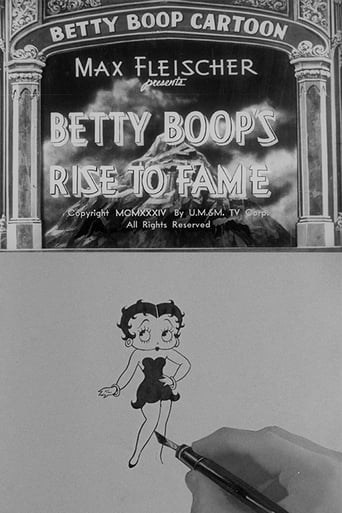
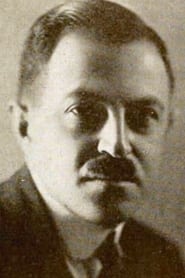
Max Fleischer was a pioneering American animator, inventor, and film producer who revolutionized the animation industry during the early 20th century. Born in Austria-Hungary and immigrating to America as a child, Fleischer began his career as a cartoonist and technical illustrator before transitioning to animation. In 1919, he founded Fleischer Studios with his brother Dave, where he developed groundbreaking techniques including the rotoscope, which allowed animators to trace live-action footage to create more realistic movement. Throughout the 1920s and 1930s, his studio produced the innovative 'Out of the Inkwell' series featuring Koko the Clown, created the iconic character Betty Boop, and successfully adapted E.C. Segar's Popeye the Sailor into animated form. Fleischer's technical innovations included the 'Bouncing Ball' technique for sing-along cartoons and early experiments with three-dimensional backgrounds. Despite his tremendous success, his studio faced financial difficulties during World War II and was eventually acquired by Paramount Pictures in 1942. Fleischer continued working in animation until his retirement, leaving behind a legacy that fundamentally shaped American animation and influenced generations of animators.
The Craft
Behind the Camera
Max Fleischer's directing style emphasized technical innovation and surreal, dreamlike imagery that distinguished his work from Disney's more naturalistic approach. His cartoons often featured experimental camera movements, distorted perspectives, and adult-oriented humor that pushed the boundaries of what was acceptable in animation. Fleischer pioneered techniques like the 'follow the bouncing ball' sing-along format and integrated live-action footage with animation in creative ways. His visual aesthetic combined urban grittiness with playful surrealism, creating a unique atmosphere that became synonymous with New York's jazz age culture.
Milestones
- Invented the rotoscope animation technique in 1915
- Founded Fleischer Studios in 1921
- Created Betty Boop in 1930
- Produced Popeye cartoons starting in 1933
- Created Superman cartoons in 1941-42
- Pioneered three-dimensional backgrounds with the Stereoptical Process
- Won Academy Award for Best Short Subject (Cartoon) for 'Popeye the Sailor Meets Sindbad the Sailor'
Best Known For
Iconic Roles
Must-See Films
Accolades
Won
- Academy Award for Best Short Subject (Cartoon) nomination for 'Popeye the Sailor Meets Sindbad the Sailor' (1936)
- Academy Award for Best Short Subject (Cartoon) nomination for 'Educated Fish' (1937)
- Winsor McCay Award (1972, posthumous)
Nominated
- Academy Award for Best Short Subject (Cartoon) for 'Popeye the Sailor Meets Sindbad the Sailor' (1936)
- Academy Award for Best Short Subject (Cartoon) for 'Educated Fish' (1937)
- Academy Award for Best Short Subject (Cartoon) for 'Hunky and Spunky' (1938)
Special Recognition
- Inducted into the International Animated Film Association Hall of Fame
- Hollywood Walk of Fame star (Animation)
- Winsor McCay Award (1972)
- The Animation Guild's Golden Award
Working Relationships
Worked Often With
Studios
Why They Matter
Impact on Culture
Max Fleischer fundamentally transformed American animation by introducing technical innovations and artistic styles that competed directly with Disney's dominance. His creation of Betty Boop became one of the first and most iconic animated sex symbols, reflecting the jazz age's liberated attitudes. Fleischer's adaptation of Popeye helped establish the character as a cultural phenomenon, while his Superman cartoons set new standards for action animation and influenced superhero media for decades. His studio's urban, gritty aesthetic and surreal humor provided an alternative to Disney's more pastoral approach, giving animation a sophisticated, adult appeal that broadened the medium's audience and artistic possibilities.
Lasting Legacy
Max Fleischer's legacy endures through his timeless characters and the technical innovations that continue to influence animation today. The rotoscope technique he invented remains in use in modern visual effects and animation, while his Betty Boop character continues to be a pop culture icon decades after her creation. Fleischer Studios' Superman cartoons are widely regarded as some of the greatest animated works ever produced, setting standards for action animation that influenced everything from later superhero cartoons to modern anime. His emphasis on technical innovation and artistic experimentation helped establish animation as a legitimate art form capable of complex storytelling and visual sophistication.
Who They Inspired
Fleischer's work influenced generations of animators, from the Warner Bros. cartoonists who adopted his surreal humor to modern animators who use rotoscoping techniques. His urban aesthetic and jazz-influenced soundtracks helped establish animation as a medium capable of reflecting contemporary culture rather than just creating fantasy worlds. The success of his Popeye and Superman adaptations demonstrated the commercial viability of adapting existing properties to animation, a practice that dominates the industry today. His studio's technical innovations, particularly in combining live-action with animation, paved the way for modern hybrid techniques used in films ranging from 'Who Framed Roger Rabbit' to contemporary CGI-heavy productions.
Off Screen
Max Fleischer married Essie Gold in 1905, and they had two children together. His son Richard Fleischer became a successful live-action film director, while his daughter Ruth worked in the animation industry. The family lived primarily in New York and later moved to California when the studio relocated. Fleischer was known for his intense work ethic and often worked long hours at his studio. Despite his professional success, he faced personal challenges including financial difficulties during the Great Depression and the eventual loss of his studio to Paramount Pictures.
Education
Attended public schools in New York City, Mechanics and Trades School, Art Students League of New York
Family
- Essie Gold (1905-1938)
- Margaret 'Molly' (1938-1972)
Did You Know?
- Fleischer invented the rotoscope by tracing footage of his brother Dave in a clown suit
- He originally trained as a mechanic and worked as an errand boy for Popular Science magazine
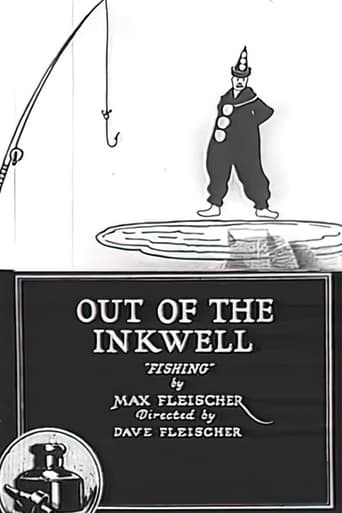
- His first successful animation series was 'Out of the Inkwell' featuring Koko the Clown
- Betty Boop was originally designed as a dog character before being transformed into a human
- Fleischer Studios was the first animation studio to use three-dimensional backgrounds with the Stereoptical Process
- The studio moved from New York to Miami in 1938 to escape unionization efforts
- Max's son Richard directed Disney's '20,000 Leagues Under the Sea' despite the family rivalry
- Fleischer's Superman cartoons were the most expensive animated shorts produced at the time
- He lost control of his studio to Paramount in 1942 after financial difficulties
- The character name 'Fleischer' means 'butcher' in German, ironic for someone who worked in animation
In Their Own Words
Animation is not the art of drawings that move but the art of movements that are drawn
The secret of cartoon success is to make the impossible seem possible
I wanted to create characters that had life, that breathed, that had personalities
In animation, you can do anything you want - the only limit is your imagination
The rotoscope was born out of frustration with the limitations of pure animation
Frequently Asked Questions
Who was Max Fleischer?
Max Fleischer was a pioneering American animator, inventor, and film producer who founded Fleischer Studios and created iconic characters including Betty Boop and produced Popeye and Superman cartoons. He invented the rotoscope animation technique and was Walt Disney's main competitor during the Golden Age of Animation.
What films is Max Fleischer best known for?
Fleischer is best known for the Betty Boop series (1930-1939), Popeye the Sailor cartoons (1933-1942), the Superman animated shorts (1941-1942), and the early Out of the Inkwell series featuring Koko the Clown. His most acclaimed works include 'Snow White' (1933) and 'Popeye the Sailor Meets Sindbad the Sailor' (1936).
When was Max Fleischer born and when did he die?
Max Fleischer was born on July 19, 1883, in Kraków, Austria-Hungary (now Poland), and died on September 11, 1972, in Woodland Hills, California, at the age of 89. His family immigrated to the United States when he was a child.
What awards did Max Fleischer win?
Fleischer received several Academy Award nominations for Best Short Subject (Cartoon) for films like 'Popeye the Sailor Meets Sindbad the Sailor' and 'Educated Fish.' He was posthumously awarded the Winsor McCay Award in 1972 and has been inducted into multiple animation halls of fame.
What was Max Fleischer's directing style?
Fleischer's directing style emphasized technical innovation, surreal imagery, and urban sophistication. He pioneered techniques like rotoscoping and the Stereoptical Process for 3D backgrounds, and his cartoons featured adult humor, jazz soundtracks, and experimental visuals that distinguished them from Disney's more family-friendly approach.
Learn More
Films
20 films
Finding His Voice
1929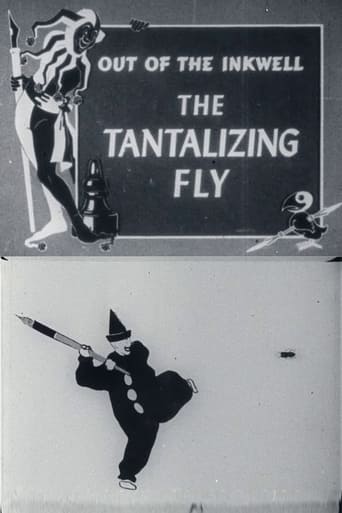
The Tantalizing Fly
1919
Invisible Ink
1921No Poster
Ko-Ko's Germ Jam
1928
Ko-Ko's Haunted House
1928
Ko-Ko's Tattoo
1928No Poster
Koko's Field Daze
1928
The Puzzle
1923
The Princess and the Pauper
1939
The Chinaman
1920
The Ouija Board
1920
The Automobile Ride
1921
Bubbles
1922
Modeling
1923
Cartoon Factory
1924
Mother Gooseland
1924
The Storm
1925No Poster
Trapped
1923