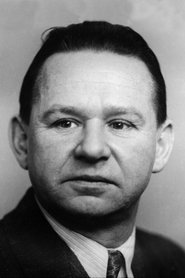
Vladimir Gribkov
Actor
Born: January 15, 1914 in Moscow, Russian Empire Died: October 24, 1943 Active: 1936-1943 Birth Name: Vladimir Ivanovich Gribkov
About Vladimir Gribkov
Vladimir Ivanovich Gribkov was a promising Soviet actor whose career flourished during the golden era of Soviet cinema in the late 1930s and early 1940s. Born in Moscow in 1914, he began his acting career during a pivotal period when Soviet cinema was transitioning from silent films to sound and establishing its distinctive socialist realist style. Gribkov quickly gained recognition for his versatility, appearing in both dramatic war films and light-hearted comedies that reflected Soviet cultural values. His performances in films like 'The Last Night' (1936) and the wartime comedy 'Antosha Rybkin' (1942) demonstrated his remarkable ability to embody diverse characters with authenticity and emotional depth. During the Great Patriotic War, Gribkov became an important figure in morale-boosting cinema, creating memorable characters that resonated with Soviet audiences facing the challenges of wartime. His career trajectory was on an upward path, working with prominent Soviet directors and contributing significantly to the cultural landscape of his time. Tragically, his promising career was cut short when he died at the young age of 29 in 1943, leaving behind a legacy as one of the talented actors of his generation whose full potential was never realized.
The Craft
On Screen
Gribkov was known for his naturalistic acting style that embodied the socialist realist aesthetic popular in Soviet cinema. His performances were characterized by subtle emotional depth and authentic character portrayals that balanced ideological requirements with genuine human feeling. He had a particular talent for both dramatic and comedic roles, able to switch seamlessly between serious war-time characters and lighter comedic parts. His technique emphasized clear diction and expressive gestures that communicated character emotions effectively to Soviet audiences.
Milestones
- Film debut in 'The Last Night' (1936)
- Breakthrough role in 'The Magic Seed' (1941)
- Memorable performance in wartime comedy 'Antosha Rybkin' (1942)
- Role in historical biopic 'His Name Is Sukhe-Bator' (1942)
- Final film appearance in 'Actress' (1943)
Best Known For
Iconic Roles
Must-See Films
Accolades
Special Recognition
- Posthumous recognition as a notable Soviet actor of the WWII era
Working Relationships
Worked Often With
Studios
Why They Matter
Impact on Culture
Vladimir Gribkov contributed to the cultural fabric of Soviet cinema during one of its most critical periods - the Great Patriotic War. His films served not only as entertainment but as important propaganda tools that boosted Soviet morale and reinforced national unity during the darkest days of World War II. The characters he portrayed embodied the ideal Soviet citizen - brave, dedicated, and resilient - helping to shape public perception and cultural values during wartime. His work in comedies like 'Antosha Rybkin' provided much-needed levity and hope to audiences facing the harsh realities of war, while his dramatic roles reinforced the narrative of Soviet heroism and sacrifice.
Lasting Legacy
Gribkov's legacy is that of a promising talent whose potential was never fully realized due to his untimely death during World War II. He represents the generation of Soviet artists who emerged during the 1930s and made significant contributions to wartime cinema before their lives were cut short by the conflict. His films continue to be studied as examples of Soviet cinema during the war years, showcasing the artistic and ideological concerns of the period. Though his name is not as widely remembered as some of his contemporaries who survived the war, film historians recognize him as part of the foundation of Soviet wartime cinema.
Who They Inspired
While his career was too brief to establish a lasting influence on subsequent generations of actors, Gribkov's naturalistic acting style contributed to the evolution of Soviet film performance techniques away from the more theatrical styles of the 1920s. His ability to balance ideological requirements with authentic human emotion set an example for actors working within the constraints of socialist realism. His work in both dramatic and comedic genres demonstrated the versatility that would become increasingly valued in Soviet cinema during the post-war period.
Off Screen
Vladimir Gribkov lived during a tumultuous period in Soviet history, coming of age during Stalin's era and dying during the Great Patriotic War. His personal life remains largely undocumented in available sources, which was common for many Soviet actors of his generation whose public personas were more prominently recorded than their private lives. His early death at age 29 meant he had little time to establish a family life that would be remembered in historical records.
Education
Likely attended theatrical training in Moscow during the early 1930s, though specific educational details are not well documented in available sources
Did You Know?
- Died at the young age of 29, cutting short a promising career
- His final film 'Actress' (1943) was released posthumously
- Appeared in several films that became classics of Soviet wartime cinema
- Worked during the Stalin era when Soviet cinema was heavily state-controlled
- His film 'Antosha Rybkin' (1942) was one of the few comedies produced during the early war years
- Participated in the cultural mobilization effort during the Great Patriotic War
- His career spanned only 7 years but included work with major Soviet directors
- Represented the generation of Soviet actors who came of age during the 1930s cultural boom
Frequently Asked Questions
Who was Vladimir Gribkov?
Vladimir Gribkov was a Soviet actor active during the late 1930s and early 1940s who appeared in several notable Soviet films including 'The Last Night' (1936), 'Antosha Rybkin' (1942), and 'His Name Is Sukhe-Bator' (1942). His promising career was cut short by his death at age 29 during World War II.
What films is Vladimir Gribkov best known for?
Gribkov is best known for his roles in 'The Last Night' (1936), 'The Magic Seed' (1941), the wartime comedy 'Antosha Rybkin' (1942), the historical biopic 'His Name Is Sukhe-Bator' (1942), and his final film 'Actress' (1943).
When was Vladimir Gribkov born and when did he die?
Vladimir Gribkov was born on January 15, 1914, in Moscow, Russian Empire, and died on October 24, 1943, at the age of 29 during the Great Patriotic War (World War II).
What awards did Vladimir Gribkov win?
There are no documented major awards or nominations for Vladimir Gribkov in available historical records, which was common for many Soviet actors of his generation, especially those whose careers were cut short by the war.
What was Vladimir Gribkov's acting style?
Gribkov was known for his naturalistic acting style that embodied socialist realism, characterized by authentic character portrayals, subtle emotional depth, and the ability to excel in both dramatic and comedic roles while maintaining clear ideological messaging.
Learn More
Films
17 films
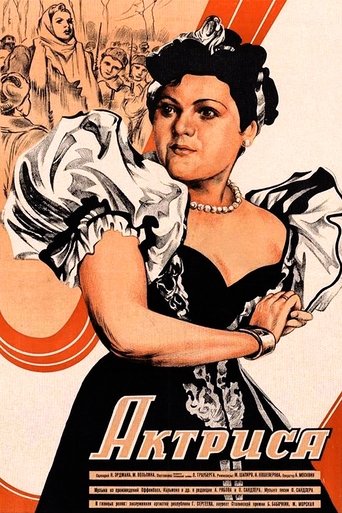
Actress
1943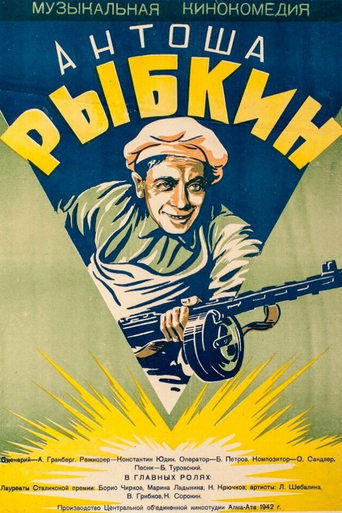
Antosha Rybkin
1942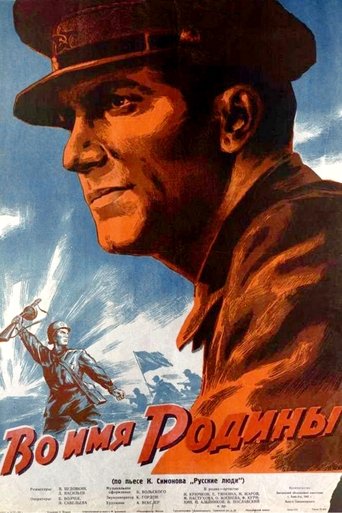
In the Name of the Motherland
1943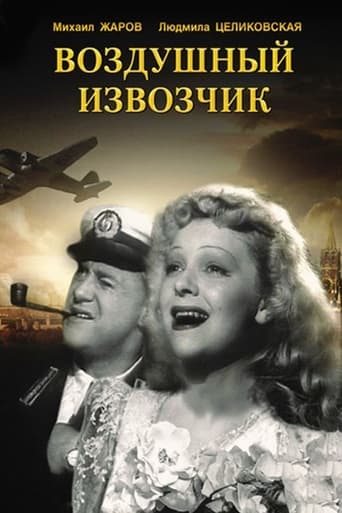
Air Taxi
1943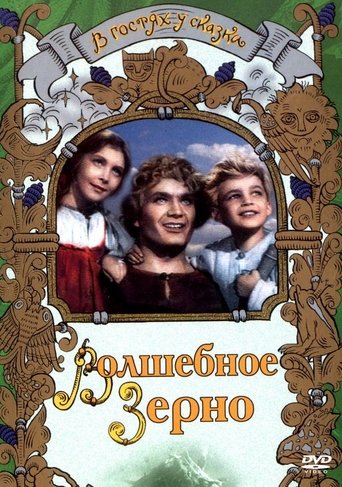
The Magic Seed
1941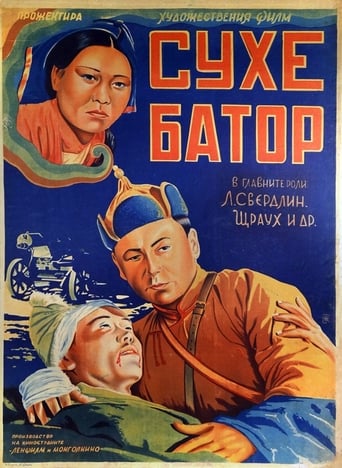
His Name Is Sukhe-Bator
1942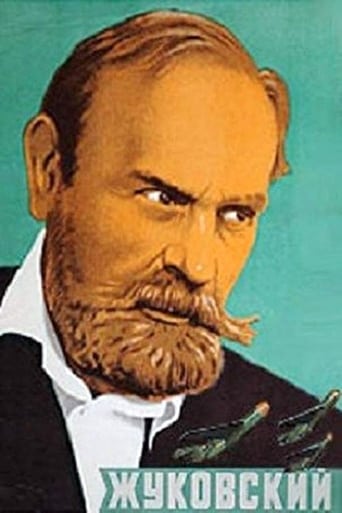
Zhukovsky
1950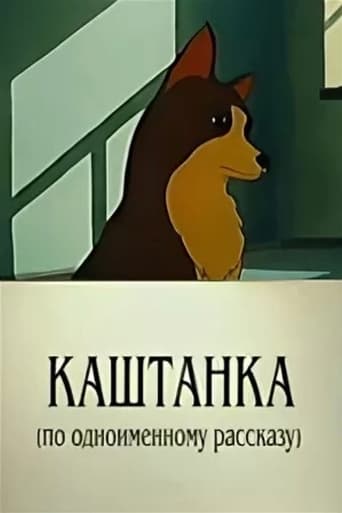
Kashtanka
1952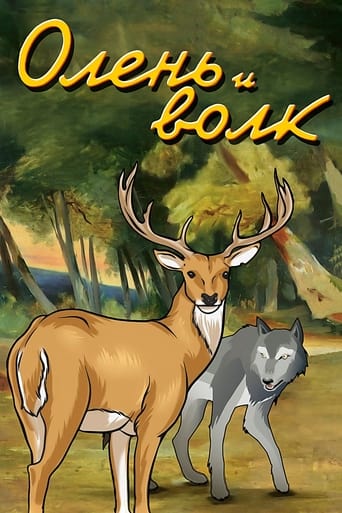
The Deer and the Wolf
1950
The Winner
1946
The Last Night
1936
The Night Before Christmas
1951
The Tale of the Fisherman and the Goldfish
1950
The Frog Princess
1954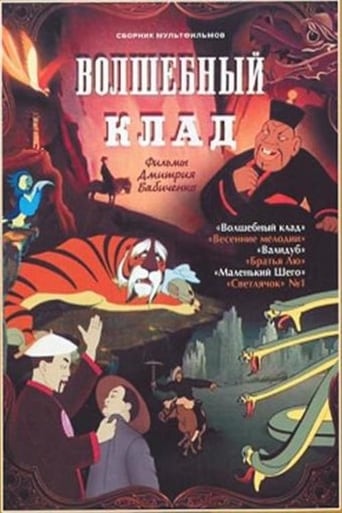
The Magic Treasure
1950