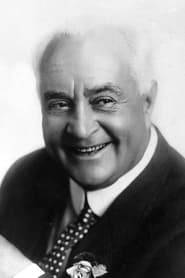
Herbert Standing
Actor
Born: November 13, 1846 in London, England Died: December 5, 1923 Active: 1915-1922
About Herbert Standing
Herbert Standing was a distinguished British stage actor who successfully transitioned to silent films during the early American cinema era. Born into a theatrical family in London, Standing began his career on the British stage before emigrating to the United States in the early 1910s. He quickly established himself as a character actor in Hollywood's burgeoning film industry, often portraying authoritative figures, clergymen, and patriarchs. Standing appeared in numerous productions for studios like Famous Players Film Company and Paramount Pictures, working alongside prominent silent film stars of the period. His film career, though relatively brief, spanned from 1915 to 1922, during which he appeared in over 30 films. Standing brought his theatrical gravitas to the silent screen, lending credibility and depth to supporting roles that required dignity and authority. His final years were spent primarily in character roles before his death in 1923, marking the end of a career that bridged Victorian stagecraft and early Hollywood cinema.
The Craft
On Screen
Standing brought a theatrical gravitas to his film performances, characterized by his dignified bearing and authoritative presence. His stage background was evident in his deliberate movements and expressive facial features, which translated well to silent cinema's reliance on visual storytelling. He specialized in portraying figures of authority and respectability, using his tall, imposing frame and commanding voice (in stage productions) to establish character dominance.
Milestones
- Stage career in Britain before film
- Transition to American silent films
- Regular character actor at Famous Players
- Father of actor Wyndham Standing
- Appeared in over 30 silent films
Best Known For
Iconic Roles
Must-See Films
Accolades
Special Recognition
- Distinguished stage career in Britain
- Patriarch of the Standing acting family
Working Relationships
Worked Often With
Studios
Why They Matter
Impact on Culture
Herbert Standing represents the important bridge between Victorian stage traditions and early Hollywood cinema. His transition from legitimate theater to silent films exemplified the migration of trained theatrical talent to the new medium of motion pictures. Standing's presence in early American films helped lend cultural legitimacy to the emerging art form, bringing the respectability of stagecraft to the comparatively new medium of cinema.
Lasting Legacy
Standing's most enduring legacy is through the Standing acting dynasty, with his sons and grandchildren continuing the family tradition in film and television. His career trajectory from British stage to American silent films illustrates the international flow of theatrical talent during cinema's formative years. As a character actor who specialized in roles requiring dignity and authority, he helped establish archetypes that would become staples in Hollywood cinema.
Who They Inspired
Standing influenced the next generation of actors, particularly his sons, by demonstrating how classical training could be adapted to the demands of film performance. His work in early Hollywood helped establish the importance of supporting character actors in giving depth and credibility to film narratives. His success in transitioning from stage to screen provided a model for other theatrical actors seeking careers in motion pictures.
Off Screen
Herbert Standing came from a theatrical family and continued this legacy through his children. He was married and had several children who also entered the entertainment industry, most notably his son Wyndham Standing, who became a successful silent film actor. The Standing family became one of the notable acting dynasties of early Hollywood, with multiple generations working in film and theater.
Education
Educated in London with theatrical training
Family
- Emily Standing (married until his death)
Did You Know?
- Began his career on the Victorian stage at age 20
- Father of four children who all became actors
- Was already in his late 60s when he began his film career
- Came from a family with multiple generations in entertainment
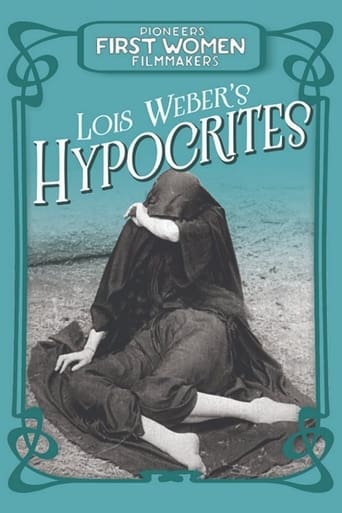
- Appeared in the controversial film 'Hypocrites' (1915) which featured nudity
- Worked with pioneering director Lois Weber
- His son Wyndham appeared in over 200 films
- Represented the 'old guard' of theatrical tradition in early Hollywood
- Often cast as the 'man of authority' in films
- His career spanned the Victorian era through the early Jazz Age
In Their Own Words
The stage is our mother, but the screen is our future - a sentiment shared by many stage actors of his generation
Frequently Asked Questions
Who was Herbert Standing?
Herbert Standing was a British stage actor who transitioned to American silent films in the 1910s, known for his dignified portrayals of authority figures and patriarchs. He began his career in Victorian theater and appeared in over 30 films from 1915 to 1922 before his death in 1923.
What films is Herbert Standing best known for?
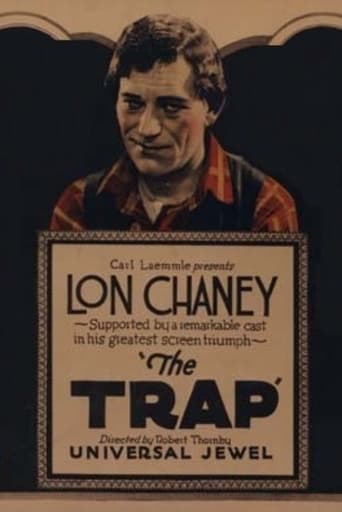
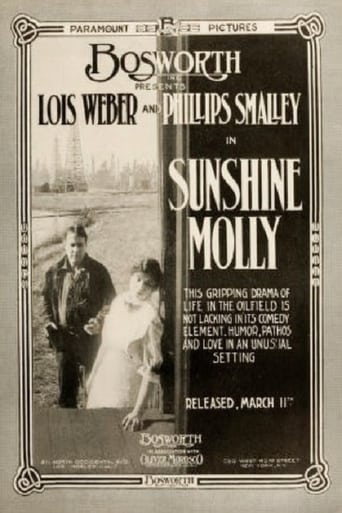
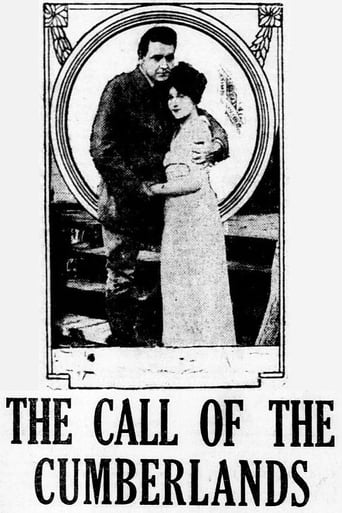
Standing is best known for his roles in silent films including 'Hypocrites' (1915), 'Stella Maris' (1918) starring Mary Pickford, 'The Call of the Cumberlands' (1916), 'Sunshine Molly' (1915), and 'The Trap' (1922). He often played supporting roles as clergymen, aristocrats, and paternal figures.
When was Herbert Standing born and when did he die?
Herbert Standing was born on November 13, 1846, in London, England, and died on December 5, 1923, in New York City at the age of 77. He lived through the Victorian era and witnessed the birth of the motion picture industry.
What awards did Herbert Standing win?
Herbert Standing did not receive formal film awards during his career, as the Academy Awards were established after his death in 1923. His recognition came from his successful stage career in Britain and his respected position as a character actor in early Hollywood.
What was Herbert Standing's acting style?
Standing's acting style was rooted in classical theatrical training, characterized by dignified bearing, deliberate movements, and authoritative presence. He specialized in portraying respectable, paternal figures using his tall frame and expressive features to convey character depth in silent films.
Learn More
Films
8 films