
Art Mix
Actor
Born: June 18, 1896 in Pike County, Illinois, USA Died: December 7, 1972 Active: 1922-1946 Birth Name: George Washington Kesterson
About Art Mix
Art Mix, born George Washington Kesterson, was a prolific American character actor and B-western star whose career spanned the silent era through the mid-1940s. Born in Illinois and raised partly on a horse ranch in Alberta, Canada, he developed authentic cowboy skills that eventually led him to Hollywood. He initially performed under his real name before producer Victor Adamson gave him the stage name 'Art Mix' to capitalize on the massive popularity of western superstar Tom Mix. This marketing ploy led to a landmark legal battle in 1929, where Kesterson successfully sued to retain the exclusive right to the name against Adamson's own use of it. Throughout his career, Mix appeared in over 200 films, ranging from low-budget silent shorts to major sound productions like 'Gunga Din' (1939). Though he often played henchmen or supporting roles in his later years, he remained a recognizable fixture of the genre, known for his distinctive tall white cowboy hat and rugged screen presence.
The Craft
On Screen
Mix was known for his authentic western persona, characterized by his genuine horsemanship and physical toughness. In his early starring roles, he emulated the flamboyant, action-oriented style of Tom Mix, performing many of his own stunts. As he transitioned into character roles during the sound era, he became a specialist in playing 'heavy' henchmen and rugged frontiersmen, often utilizing his imposing presence and iconic tall hat to stand out in ensemble casts.
Milestones
- Successfully sued producer Victor Adamson in 1929 to secure the legal right to use the stage name 'Art Mix'
- Appeared in over 200 films across the silent and sound eras
- Starred in a series of silent westerns for J. Charles Davis Productions
- Transitioned from a leading man in silent 'B' pictures to a reliable character actor and henchman in sound-era westerns
- Appeared in the Academy Award-winning film 'The Westerner' (1940)
Best Known For
Iconic Roles
Must-See Films
Accolades
Special Recognition
- Recognized in the 'Old Corral' hall of B-western legends
- Subject of a landmark 1929 California legal ruling regarding actor stage names
Working Relationships
Worked Often With
Studios
Why They Matter
Impact on Culture
Art Mix represents a fascinating chapter in Hollywood marketing history, illustrating how early studios used 'brand-name' imitation to sell low-budget films. His legal victory over his own stage name set a precedent for actors' rights to their professional identities. While he never reached the A-list status of the man he was named after, his ubiquity in 'Poverty Row' westerns helped sustain the genre's popularity during the transition to sound, providing the essential 'authentic' cowboy background that audiences craved.
Lasting Legacy
Mix is remembered today by film historians as one of the most prolific 'henchmen' of the B-western era. His career serves as a bridge between the silent era's flamboyant showmanship and the sound era's gritty realism. He is a staple of the 'Old Corral' era of filmmaking, and his presence in over 200 films ensures he remains a recognizable face to fans of classic western cinema.
Who They Inspired
His success in the 1929 lawsuit influenced how studios handled stage names and contracts, ensuring that actors could maintain their professional identity across different production companies. His 'tall hat' look became a minor archetype for western villains and sidekicks in the 1930s.
Off Screen
Mix was born to George Washington Kesterson Sr. and Nancy Helen Manker. Before his film career, he worked as a circus performer and a professional boxer. He spent a significant portion of his youth in Edmonton, Alberta, where his father owned a horse ranch. He was married twice, most notably to Cuban-American actress Inez Gomez.
Education
Self-taught through ranch work, circus performance, and boxing.
Family
- Grace I. Allin (m. 1922)
- Inez Gomez (m. 1927-1942)
Did You Know?
- His stage name was a deliberate attempt to confuse audiences into thinking they were seeing a Tom Mix film.
- He was a professional boxer before entering the film industry.
- The 1929 lawsuit 'Kesterson v. Adamson' is a famous case in entertainment law regarding the right to a pseudonym.
- He was known for wearing an exceptionally tall white cowboy hat, which became his visual trademark.
- Despite the name similarity, he was not related to Tom Mix.
- He appeared in 27 different films starring Charles Starrett.
- He lived his final years at the Commodore Hotel in Los Angeles.
- He is buried at Forest Lawn Memorial Park in Glendale, California.
In Their Own Words
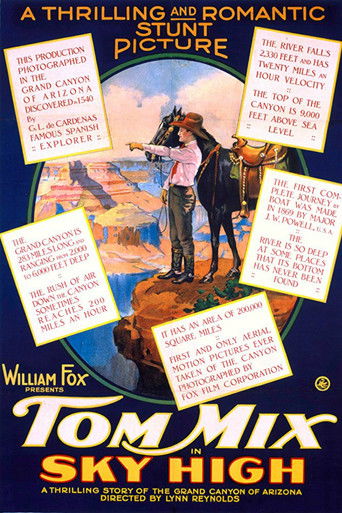
I'll look after her the rest of her life if she'll let me. (As Grant Newbury in Sky High, 1922)
Frequently Asked Questions
Who was Art Mix?
Art Mix was the stage name of George Washington Kesterson, a prolific American actor who starred in silent B-westerns and later became a well-known character actor in sound films. He is famous for his authentic cowboy skills and a landmark legal battle over his professional name.
Was Art Mix related to Tom Mix?
What are Art Mix's most famous films?
He is best known for 'Sky High' (1922), 'Sagebrush Trail' (1933) alongside John Wayne, and character roles in classics like 'Gunga Din' (1939) and 'The Westerner' (1940).
What was the Art Mix name controversy?
In 1929, George Kesterson sued producer Victor Adamson for the right to use the name 'Art Mix' after they stopped working together. The court ruled in Kesterson's favor, allowing him to keep the name regardless of which studio he worked for.
What was Art Mix's signature look?
Art Mix was easily identifiable by his very tall, distinctive white cowboy hat and his rugged, authentic western appearance, which he maintained throughout hundreds of film appearances.
Learn More
Films
2 films
