Catherine Hessling

Catherine Hessling

Actor

Born: June 22, 1900 in Morvan, France Died: September 28, 1979 Active: 1924-1933 Birth Name: Catherine Andrée Marguerite Heimlicher

About Catherine Hessling

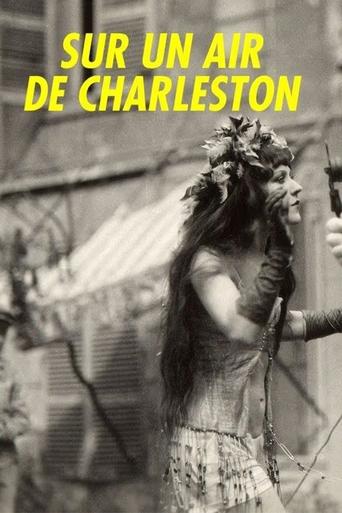
Catherine Hessling, born Catherine Andrée Marguerite Heimlicher, was a French actress who became the first wife and muse of legendary director Jean Renoir. Discovered while working as a model, she married Renoir in 1920 and became the star of his early silent films, helping establish his directorial career. Her breakthrough role came in Renoir's 'La Fille de l'eau' (1925), followed by her acclaimed performance in 'Nana' (1926), which showcased her distinctive acting style and striking screen presence. In 'Charleston Parade' (1926), she demonstrated her versatility in a comedic role that captured the spirit of the Roaring Twenties. After her divorce from Renoir in 1930, her career declined significantly, though she made a few attempts to transition to sound films. She retired completely from acting by the mid-1930s and spent her later years in relative obscurity, dying in 1979 at age 79.

The Craft

On Screen

Expressive and exaggerated silent film performance with distinctive facial expressions, physical comedy, and bold emotional delivery that embodied the modern woman of the 1920s

Milestones

Best Known For

Iconic Roles

  • Nana in 'Nana' (1926)
  • The Girl in 'Charleston Parade' (1926)
  • Gudule in 'La Fille de l'eau' (1925)

Must-See Films

  • Nana
  • Charleston Parade
  • La Fille de l'eau
  • The Little Match Girl
  • awards
  • nominations
  • honors
  • personalLife
  • Catherine Hessling's personal life was dominated by her relationship with Jean Renoir, whom she married in 1920 when she was 20 and he was 40. Their marriage was both romantic and professional, with Renoir casting her in many of his early films and writing roles specifically for her talents. They had one son together, Alain Renoir, who became a respected academic. After their contentious divorce in 1930, she married a British businessman and largely withdrew from public life, spending her later years in the French countryside away from the film industry that had briefly made her famous.
  • spouses
  • children
  • education
  • Basic education in France; no formal acting training, learned through experience with Jean Renoir
  • studioAffiliations
  • frequentCollaborators
  • mentors
  • protégés
  • culturalImpact
  • Catherine Hessling played a crucial role in the development of French cinema in the 1920s as the creative partner and leading lady of Jean Renoir during his formative years as a director. Her performances in films like 'Nana' and 'Charleston Parade' exemplified the modern, liberated woman of post-WWI France, reflecting changing social attitudes and artistic sensibilities. Her distinctive visual style, including her signature bob haircut and fashionable wardrobe, influenced French fashion and beauty standards of the era. Though her career was brief, her work helped establish Renoir's reputation and contributed to the golden age of French silent cinema, with her films now studied as important examples of early French avant-garde filmmaking.
  • legacy
  • Catherine Hessling's legacy is primarily preserved through her association with Jean Renoir and her contributions to his early masterpieces. Her films, particularly 'Nana' (1926), remain important artifacts of French silent cinema and are regularly screened at film festivals and cinematheques. While she did not achieve lasting individual fame, her embodiment of the modern 1920s woman and her role in nurturing one of cinema's greatest directors make her a significant figure in film history. Her life story also illustrates the often precarious nature of stardom in early cinema and the complex dynamics between directors and their muses. Film historians continue to study her performances as examples of silent film acting techniques and the representation of women in early French cinema.
  • influence
  • Catherine Hessling influenced the development of Jean Renoir's directorial vision through her performances and their collaborative creative process. Her work in literary adaptations like 'Nana' demonstrated how silent cinema could handle complex narratives, influencing subsequent French filmmakers. Her portrayal of independent, sexually confident women helped expand the range of female characters in French cinema beyond traditional stereotypes. While she did not directly mentor other performers, her distinctive acting style and screen presence served as a model for actresses working in French silent and early sound cinema. Her films continue to influence contemporary filmmakers interested in silent era techniques and 1920s French culture.
  • trivia
  • famousQuotes
  • controversies
  • Her divorce from Jean Renoir in 1930 was reportedly acrimonious, with disputes about her career trajectory and their professional relationship. Some contemporary critics found her acting style overly theatrical even for silent film standards. Her bold performance in 'Nana' (1926) generated controversy for its sexual frankness and modern approach to female sexuality.
  • externalLinks
  • faq

Films

1 film