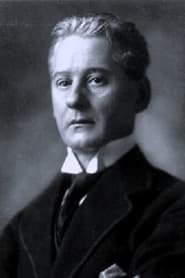
Paul Biensfeldt
Actor
Born: November 3, 1869 in Berlin, Germany Died: April 2, 1933 Active: 1913-1929
About Paul Biensfeldt
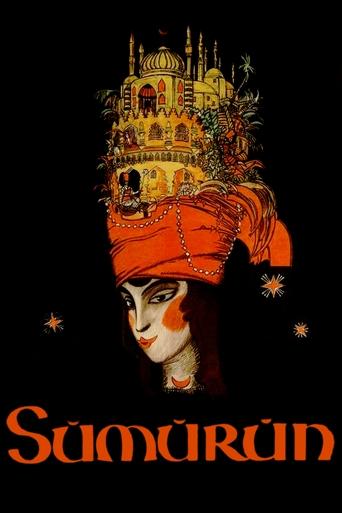
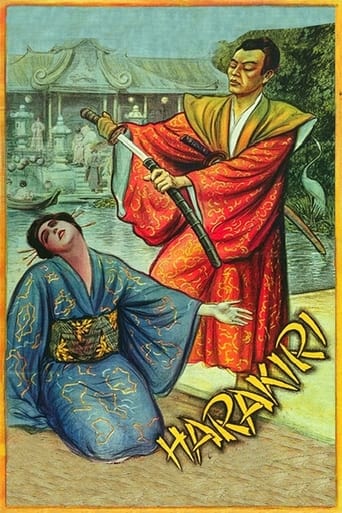
Paul Biensfeldt was a German character actor who flourished during the golden age of German silent cinema, particularly known for his frequent collaborations with director Ernst Lubitsch. Born in Berlin in 1869, he began his film career in the early 1910s after establishing himself in theater, bringing his stage experience to the emerging medium of cinema. Biensfeldt specialized in supporting roles, often playing exotic characters, villains, or comic figures in Lubitsch's early comedies and historical dramas. His most prolific period was from 1917 to 1920, when he appeared in numerous significant German productions including 'Carmen,' 'Harakiri,' 'Sumurun,' and 'Madame Dubarry.' He worked steadily throughout the 1920s, appearing in over 80 films during his career, though his roles became smaller as German cinema evolved. Biensfeldt's career came to an end with the advent of sound films and the changing political landscape in Germany, and he died in Berlin in 1933, just as the Nazi era was beginning.
The Craft
On Screen
Biensfeldt embodied the theatrical acting style common in German silent cinema, utilizing exaggerated gestures and expressive facial techniques to convey emotion and character. His background in stage acting informed his screen presence, allowing him to play diverse character types with distinction. He excelled at creating memorable supporting characters through physical comedy and dramatic expression, adapting well to both comedic and dramatic roles in Lubitsch's films.
Milestones
- Frequent collaborator with Ernst Lubitsch in his early German films
- Appeared in over 80 silent films during his career
- Key supporting actor in German cinema's golden age
- Member of the ensemble cast in 'Madame Dubarry' (1919)
Best Known For
Iconic Roles
Must-See Films
Working Relationships
Worked Often With
Studios
Why They Matter
Impact on Culture
Paul Biensfeldt contributed to the development of German silent cinema as part of Ernst Lubitsch's regular ensemble, helping create some of the most significant German films of the late 1910s and early 1920s. His work in films like 'Madame Dubarry' and 'Sumurun' represented the artistic peak of German film production before Hollywood's dominance. As a character actor, he helped establish the importance of supporting players in creating rich cinematic worlds, a tradition that would influence film production worldwide.
Lasting Legacy
Biensfeldt's legacy survives through his contributions to classic German silent films, many of which are now considered landmarks of early cinema. While not a major star, his work with Lubitsch places him within an important chapter of film history, documenting the transition from German theatrical traditions to cinematic storytelling. His performances remain valuable examples of silent era acting techniques and the collaborative nature of early German film production.
Who They Inspired
As a supporting actor in influential films, Biensfeldt's work demonstrated the importance of ensemble casting in early cinema, influencing how directors would approach character development in future productions. His ability to adapt to various roles in Lubitsch's films showed the versatility required of character actors in the silent era, setting a standard for subsequent generations of supporting performers in German and international cinema.
Off Screen
Little detailed information is available about Paul Biensfeldt's personal life, as was common for many supporting actors of the silent era who did not achieve major stardom. He spent his entire life in Berlin, where he was born and died. His career spanned the tumultuous period of German history from the Imperial era through World War I, the Weimar Republic, and ending just as the Nazi regime came to power.
Education
Likely had theater training given his stage background, but specific educational details are not documented in available sources.
Did You Know?
- Appeared in over 80 films during his 16-year career
- Was one of Ernst Lubitsch's most frequently used character actors
- His career coincided with the golden age of German silent cinema
- Worked with major stars of the era including Pola Negri
- Many of his films were international co-productions that helped spread German cinema globally
- Died the same year Adolf Hitler came to power in Germany
- His film 'Madame Dubarry' was a major international success that helped establish German cinema's reputation
- Often played exotic or foreign characters despite being German
- His career ended just as sound films were becoming dominant in Germany
- Survived World War I only to die at the beginning of another transformative period in German history
Frequently Asked Questions
Who was Paul Biensfeldt?
Paul Biensfeldt was a German character actor who worked primarily during the silent film era, best known for his frequent collaborations with director Ernst Lubitsch. He appeared in over 80 films between 1913 and 1929, specializing in supporting roles in comedies and historical dramas.
What films is Paul Biensfeldt best known for?
Biensfeldt is best known for his roles in Ernst Lubitsch films including 'Sumurun' (1920), 'Harakiri' (1919), 'Madame Dubarry' (1919), 'Carmen' (1918), and 'Sleeping Beauty' (1917). These films represent some of the most significant German silent productions of their era.
When was Paul Biensfeldt born and when did he die?
Paul Biensfeldt was born on November 3, 1869, in Berlin, Germany, and died on April 2, 1933, in his hometown of Berlin at the age of 63, just as the Nazi regime was coming to power in Germany.
What awards did Paul Biensfeldt win?
There are no documented awards or honors received by Paul Biensfeldt, which was common for many supporting actors of the silent era who worked primarily in character roles rather than leading parts.
What was Paul Biensfeldt's acting style?
Biensfeldt employed the theatrical, expressive acting style typical of German silent cinema, using exaggerated gestures and facial expressions to convey emotion. His stage background allowed him to create distinctive supporting characters through physical comedy and dramatic expression.
How did Paul Biensfeldt contribute to German cinema?
Biensfeldt contributed to German cinema as part of Ernst Lubitsch's ensemble, helping create some of the most significant German films of the late 1910s and early 1920s. His work demonstrated the importance of character actors in establishing the artistic reputation of German silent cinema internationally.
Learn More
Films
11 films