Settela Steinbach
Actor
Born: December 23, 1934 in Buchten, Netherlands Died: July 31, 1944 Active: 1944 Birth Name: Anna Maria Steinbach
About Settela Steinbach
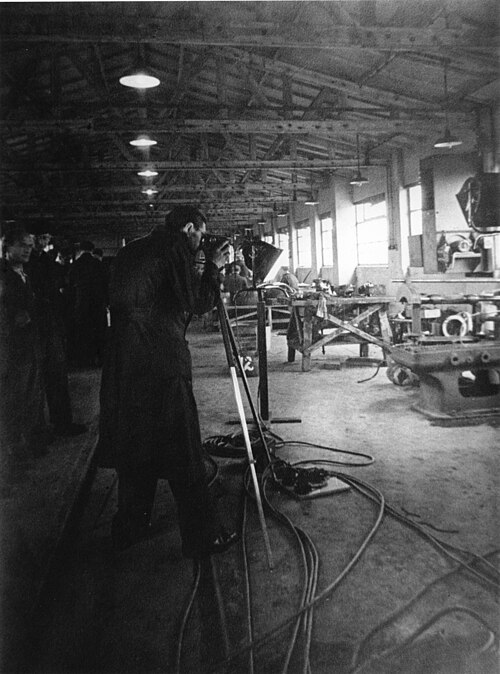
Settela Steinbach was a Dutch Sinti girl who became one of the most haunting and recognizable faces of the Holocaust through documentary footage. Born in Buchten, Netherlands, she lived with her family as part of the Romani community until Nazi persecution intensified. On May 19, 1944, at age 9, she was filmed by Rudolf Breslauer at the Westerbork transit camp as she peered out from a transport train bound for Auschwitz. This brief moment, captured on film, would become one of the most iconic images of Holocaust victims. Settela arrived at Auschwitz on May 22, 1944, along with her mother and five siblings; all were murdered in the gas chambers on July 31, 1944. Her identity remained unknown for nearly 50 years until Dutch journalist Aad Wagenaar conducted extensive research and identified her in 1994. The Westerborkfilm footage, though not a traditional narrative film, stands as one of the most important historical documents of the Holocaust era.
The Craft
Milestones
- Filmed at Westerbork transit camp (1944)
- Became iconic face of Holocaust victims
- Identity discovered through research (1994)
- Footage preserved as historical document
Best Known For
Iconic Roles
Must-See Films
Accolades
Special Recognition
- Subject of memorial exhibitions
- Featured in Holocaust education programs
- Name preserved in Holocaust memorial projects
Working Relationships
Worked Often With
Why They Matter
Impact on Culture
Settela Steinbach's image has become one of the most powerful symbols of the Holocaust, particularly representing the persecution of Romani people during World War II. Her brief appearance in the Westerborkfilm footage, looking out from the train with a scarf covering her head, has been reproduced in countless documentaries, books, and educational materials about the Holocaust. The image humanizes the abstract statistics of Holocaust victims, giving a face to the millions who perished. Her story has helped bring attention to the often-overlooked genocide of the Romani people, known as the Porajmos or Romani Holocaust.
Lasting Legacy
Settela's legacy lies in her unwitting role as a historical witness and symbol. The footage of her has been preserved in archives worldwide and serves as educational material about the Holocaust. Her identification in 1994 by Aad Wagenaar brought personal recognition to her story and highlighted the importance of individual narratives within historical tragedies. Today, she is remembered not just as a victim but as a child whose image continues to educate new generations about the horrors of persecution and the importance of human rights.
Who They Inspired
While not an artist in the traditional sense, Settela's image has influenced countless filmmakers, historians, and educators who use the Westerborkfilm footage in their work. Her story has inspired documentaries, books, and exhibitions about the Romani Holocaust. The emotional impact of her image has influenced how visual media represents Holocaust victims, emphasizing the importance of individual stories within broader historical narratives.
Off Screen
Settela was the daughter of Hermanus Steinbach and Emilia Toetela Steinbach. She grew up in a traveling Sinti family with her parents and siblings. The family lived a traditional Romani lifestyle until Nazi occupation forced them into hiding and eventually into the Westerbork transit camp. Her father, who was not on the same transport, survived the war, while Settela, her mother, and all her siblings perished at Auschwitz.
Did You Know?
- Her identity was unknown for 50 years after the film was made
- The famous footage was shot by Rudolf Breslauer, a Jewish prisoner at Westerbork
- She was filmed looking out from the door of a cattle car transport
- Her headscarf was reportedly tied by her mother just before filming
- The Westerborkfilm was actually shot in 1944, not 1950 as sometimes cited
- Dutch journalist Aad Wagenaar spent years researching her identity
- She was one of 245 Sinti and Roma deported from Westerbork on May 19, 1944
- Only 30 of the 245 Romani people on that transport survived the war
- Her father was not on the same transport and survived the Holocaust
- The footage has been colorized by modern historians for educational purposes
Frequently Asked Questions
Who was Settela Steinbach?
Settela Steinbach was a 9-year-old Dutch Sinti girl who became one of the most recognizable faces of the Holocaust through documentary footage. She was filmed at the Westerbork transit camp in 1944 before being deported to Auschwitz, where she was murdered along with her mother and siblings.
What film is Settela Steinbach known for?
She is known for her appearance in the Westerborkfilm, documentary footage shot at the Westerbork transit camp in the Netherlands. The brief clip shows her looking out from a transport train bound for Auschwitz.
When was Settela Steinbach born and when did she die?
Settela Steinbach was born on December 23, 1934, in Buchten, Netherlands. She died at Auschwitz concentration camp on July 31, 1944, at the age of 9.
How was Settela Steinbach's identity discovered?
Her identity remained unknown for nearly 50 years until 1994, when Dutch journalist Aad Wagenaar conducted extensive research and identified her through camp records and survivor testimony.
Why is Settela Steinbach's image significant?
Her image has become an iconic symbol of the Holocaust, particularly representing the persecution of Romani people. The footage humanizes the tragedy by showing an individual face rather than abstract statistics.
Learn More
Films
1 film