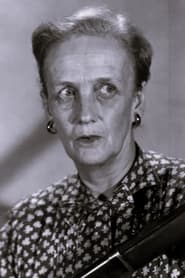
Born: January 31, 1896 in New York City, New York, USADied: March 13, 1988Active: 1920-1966Birth Name: Olive Fuller Golden
About Olive Carey
Olive Carey, born Olive Fuller Golden, was a distinguished American actress whose career spanned over four decades in Hollywood. She began her acting career in the 1920s after marrying actor Harry Carey Sr., quickly establishing herself as a reliable character actress in silent films. With the transition to sound, Carey successfully adapted her acting style and became particularly known for her roles in Western films, often portraying strong maternal figures or frontier women. She worked frequently with director John Ford and appeared in many of his classic Westerns, often alongside her husband and later her son Harry Carey Jr. After her husband's death in 1947, she continued acting, taking on more substantial supporting roles in films like 'Red River' (1948) and 'The Searchers' (1956). Her career extended into television in the 1950s and 1960s, where she made numerous guest appearances in popular Western series. Carey retired from acting in the 1960s, leaving behind a legacy of memorable performances that helped define the maternal archetype in American Western cinema.
The Craft
On Screen
Carey was known for her natural, understated acting style that brought authenticity and warmth to her maternal roles. She specialized in portraying strong, resilient frontier women with a combination of toughness and tenderness. Her performances were characterized by subtle facial expressions and a grounded, realistic approach that contrasted with the more theatrical style common in early cinema. In Westerns particularly, she embodied the pioneer spirit with a quiet dignity that made her characters believable and relatable.
Olive Carey was deeply embedded in Hollywood's Western film community through her marriage and family connections. She met Harry Carey Sr. while working as a contract player for Universal Studios, and their marriage lasted 27 years until his death in 1947. The couple had two children, Harry Carey Jr. (who became a prominent character actor) and Ella 'Cappy' Carey. After her husband's death, she continued to maintain close relationships within the film community, particularly with John Ford, who had been a longtime friend and collaborator of her husband. She was known as a warm, supportive presence on film sets and was respected for her professionalism and dedication to her craft.
spouses
children
education
Educated in New York public schools; no formal dramatic training reported
studioAffiliations
frequentCollaborators
mentors
protégés
culturalImpact
Olive Carey made a significant contribution to the Western genre by helping to establish the archetype of the strong, resilient frontier woman. Her performances in John Ford's cavalry trilogy and other classic Westerns helped define the visual and emotional landscape of American Western cinema. She represented the pioneer spirit and the strength of women who helped settle the American West, bringing depth and authenticity to roles that might otherwise have been one-dimensional. Her work spanned the entire evolution of the Western genre from silent films through the golden age of Hollywood Westerns and into the television era.
legacy
Olive Carey's legacy lies in her extensive body of work that helped shape the Western genre's depiction of women and family. As part of the Carey acting dynasty, she contributed to a family tradition that spanned generations in Hollywood. Her performances continue to be appreciated by film scholars and Western enthusiasts for their authenticity and emotional depth. She is remembered as one of the most reliable and recognizable character actresses of Hollywood's golden age, particularly in Western films where her maternal presence provided emotional grounding to many classic productions.
influence
Carey influenced subsequent generations of character actresses, particularly those working in Westerns, by demonstrating how supporting roles could be infused with depth and authenticity. Her natural acting style and ability to convey complex emotions through subtle means influenced the move toward more realistic performances in genre films. Through her son Harry Carey Jr., her influence extended to the next generation of Western actors, and her work with directors like John Ford helped establish standards for ensemble acting in large-scale productions.