Edward LeSaint
Actor
Born: December 13, 1870 in Cincinnati, Ohio, USA Died: September 10, 1940 Active: 1912-1940
About Edward LeSaint
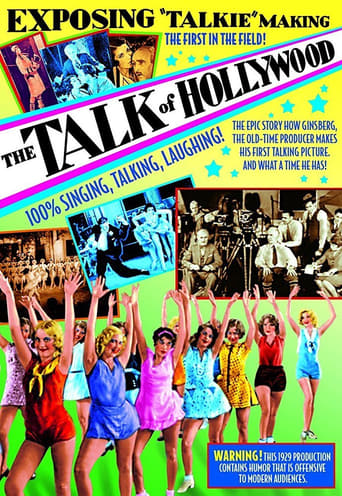
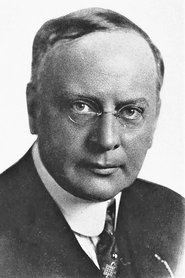
Edward LeSaint was a prolific American actor and director who made significant contributions to early Hollywood cinema during the silent era and transition to sound. Born in Cincinnati, Ohio, he began his career in theater before transitioning to film around 1912, initially working as a director for Universal Studios. LeSaint directed numerous silent films throughout the 1910s, often working with prominent stars of the era before gradually shifting his focus to acting in the 1920s. As an actor, he appeared in over 300 films, specializing in authoritative roles such as judges, doctors, military officers, and businessmen, becoming one of the most recognizable character actors of his time. He successfully navigated the transition from silent films to talkies, appearing in sound films like 'The Talk of Hollywood' (1929) and continuing to work steadily through the 1930s. LeSaint's career spanned nearly three decades of American cinema, during which he worked with virtually every major studio and collaborated with many of the era's most significant directors and performers. His final years were marked by continued character work until his death in 1940, leaving behind a remarkable legacy as both a pioneering director and an essential supporting actor in Hollywood's golden age.
The Craft
On Screen
LeSaint was known for his dignified, authoritative presence and naturalistic acting style that translated well from silent films to talkies. He specialized in portraying figures of authority with gravitas and authenticity, using his tall stature and commanding voice to great effect. His performances were characterized by subtlety and restraint, avoiding melodramatic tendencies common in the era while maintaining strong screen presence.
Milestones
- Directed over 60 silent films in the 1910s
- Appeared in over 300 films as an actor
- Successfully transitioned from directing to acting
- Became typecast as authority figures in sound films
- Worked with major studios including Universal, Fox, and Paramount
Best Known For
Iconic Roles
Must-See Films
Accolades
Special Recognition
- Hollywood Walk of Fame star (contributions to motion pictures)
Working Relationships
Worked Often With
Studios
Why They Matter
Impact on Culture
Edward LeSaint's career represents the evolution of Hollywood from its early days through the golden age. As both a director and actor, he witnessed and participated in the major technological and artistic changes in cinema, including the transition from silent films to talkies. His extensive filmography provides a valuable record of early American cinema, and his consistent presence as an authority figure helped establish archetypal character types that would influence film casting for decades. His work with comedy teams like the Three Stooges also contributed to the development of American film comedy.
Lasting Legacy
LeSaint's legacy lies in his remarkable versatility and longevity during a transformative period in film history. With over 300 acting credits and numerous directing credits, he represents the journeyman professional who was essential to Hollywood's success. His ability to adapt from directing silent films to acting in talkies demonstrates the flexibility required of early film professionals. Today, film historians and classic cinema enthusiasts recognize him as an important figure who helped build the foundation of the Hollywood studio system.
Who They Inspired
While not a major star, LeSaint influenced generations of character actors through his professional approach and versatility. His ability to embody authority figures convincingly helped establish casting patterns that would persist throughout Hollywood's history. His work in comedy, particularly with the Three Stooges, showed how straight men could enhance comedic performances through serious, grounded performances.
Off Screen
Edward LeSaint was married to actress Stella LeSaint (née Stella Razeto), who was also a prominent figure in early Hollywood. The couple worked together in several films during their careers. They had one child together. LeSaint was known as a reliable professional in the Hollywood community, respected for his work ethic and versatility across both directing and acting roles.
Education
Educational background not widely documented, likely received theater training before entering films
Family
- Stella LeSaint (née Stella Razeto) (1913-1940)
Did You Know?
- Appeared in over 300 films as an actor
- Directed over 60 silent films
- Successfully transitioned from silent films to talkies
- Often played judges, doctors, and authority figures
- Worked with virtually every major Hollywood studio
- Married to actress Stella LeSaint
- His film career spanned nearly three decades
- Appeared in Three Stooges shorts in his later career
- Was one of the most recognizable character actors of the 1930s
- His height and dignified bearing made him perfect for authority roles
In Their Own Words
No widely documented famous quotes from Edward LeSaint
Frequently Asked Questions
Who was Edward LeSaint?
Edward LeSaint was a prolific American actor and director who worked in Hollywood from the silent era through the 1930s, appearing in over 300 films and directing numerous silent movies before transitioning primarily to acting roles.
What films is Edward LeSaint best known for?
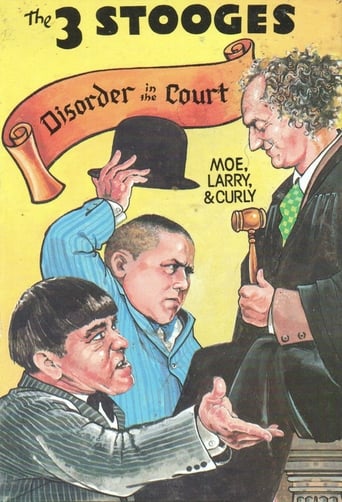
He is best known for his appearance in the Three Stooges short 'Disorder in the Court' (1936) where he played the judge, as well as 'The Talk of Hollywood' (1929), though his career included hundreds of films as a character actor.
When was Edward LeSaint born and when did he die?
Edward LeSaint was born on December 13, 1870, in Cincinnati, Ohio, and died on September 10, 1940, in Los Angeles, California, at the age of 69.
What awards did Edward LeSaint win?
While he didn't receive major competitive awards during his lifetime, Edward LeSaint was honored with a star on the Hollywood Walk of Fame for his contributions to motion pictures.
What was Edward LeSaint's acting style?
LeSaint was known for his dignified, authoritative presence and naturalistic style, specializing in playing judges, doctors, and other authority figures with gravitas and authenticity that translated well from silent films to talkies.
Learn More
Films
2 films