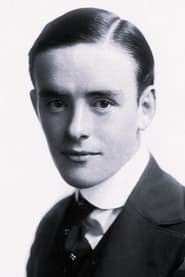
Robert Harron
Actor
Born: March 12, 1893 in New York City, New York, USA Died: September 5, 1919 Active: 1908-1919 Birth Name: Robert Emmett Harron
About Robert Harron
Robert Emmett Harron was one of the most prominent and talented actors of the silent film era, discovered by director D.W. Griffith while working as a messenger boy at the Biograph Studio. He quickly became Griffith's favorite leading man, starring in over 200 films between 1908 and 1919, including landmark works like 'The Birth of a Nation' (1915) and 'Intolerance' (1916). Harron was known for his natural, understated acting style that contrasted with the theatrical performances common in early cinema, bringing emotional depth and authenticity to his roles. He formed a popular screen partnership with actresses Lillian Gish and Mae Marsh, creating some of the most memorable romantic pairings of the silent era. His career was tragically cut short when he died at age 27 from a gunshot wound under mysterious circumstances in September 1919, just as he was transitioning to more mature roles and greater stardom. Despite his brief career, Harron's influence on film acting was significant, helping to establish a more naturalistic style that would become the standard in cinema.
The Craft
On Screen
Naturalistic and understated for the silent era, avoiding theatrical exaggeration and bringing subtle emotional depth to his performances. He was known for his expressive eyes and ability to convey complex emotions through minimal gestures.
Milestones
- Discovered by D.W. Griffith at Biograph Studios (1908)
- Starred in over 200 films
- Leading role in 'The Birth of a Nation' (1915)
- Starring role in 'Intolerance' (1916)
- Romantic lead opposite Lillian Gish in 'Hearts of the World' (1918)
- Transition to leading man status at Paramount (1919)
Best Known For
Iconic Roles
Must-See Films
Accolades
Special Recognition
- Posthumous star on the Hollywood Walk of Fame (1960)
- Recognized as a pioneering film actor by film historians and preservation societies
Working Relationships
Worked Often With
Studios
Why They Matter
Impact on Culture
Robert Harron was instrumental in establishing the naturalistic acting style that would become standard in cinema, moving away from the exaggerated theatrical performances common in early films. His work with D.W. Griffith helped define the language of cinematic storytelling, particularly in epic films like 'The Birth of a Nation' and 'Intolerance'. Harron's sensitive portrayals of young, idealistic characters resonated with audiences and helped establish the romantic leading man archetype in American cinema. His tragic death at the height of his career contributed to the romantic mythology of early Hollywood and has been the subject of numerous film historical studies and documentaries.
Lasting Legacy
Robert Harron is remembered as one of the most talented and influential actors of the silent era, despite his brief career. Film historians credit him with helping establish a more naturalistic style of screen acting that influenced generations of performers. His collaborations with D.W. Griffith represent some of the most significant achievements in early American cinema, and his performances continue to be studied by film scholars and actors. Harron's story has become emblematic of the tragic early deaths that marked Hollywood's formative years, and he is frequently cited as an example of lost potential in film history.
Who They Inspired
Harron's naturalistic acting style directly influenced the transition from theatrical to cinematic performance techniques. His work with Griffith helped establish visual storytelling methods that became standard in narrative cinema. Later actors, particularly those who worked in silent films transitioning to sound, cited Harron as an example of effective screen performance. Directors studying Griffith's techniques often analyze Harron's performances as examples of ideal actor-director collaboration.
Off Screen
Robert Harron was the second oldest of nine children born to Irish immigrant parents. He grew up in poverty in New York's Lower East Side and began working at a young age to help support his family. Despite his rising fame, he remained close to his family and financially supported them throughout his career. He was romantically linked to several actresses, most notably Dorothy Gish, though he never married. His death under mysterious circumstances at age 27 cut short what many believed would have been an even more illustrious career.
Education
Limited formal education due to family poverty; left school early to work and support his family
Did You Know?
- Was discovered by D.W. Griffith while working as a messenger boy at Biograph Studios
- Made his film debut at age 15 in 'The Adventures of Dollie' (1908)
- Appeared in more than 200 films during his 11-year career
- His death was officially ruled accidental, though many suspected suicide
- Was paid $150 per week at the height of his career, a substantial sum for the time
- His younger brother John Harron also became an actor
- Was the original choice for the lead in 'The Four Horsemen of the Apocalypse' but died before filming
- Griffith considered Harron his greatest discovery and was devastated by his death
- His last film 'The Love Flower' was released posthumously in 1920
- Was one of the first actors to receive screen credit for his performances
In Their Own Words
I try to be natural before the camera. The public is tired of artificial acting.
Interview, 1916)
Mr. Griffith taught me everything I know about pictures. He's the greatest director in the world.
On working with D.W. Griffith)
The camera sees everything. You can't fool it with false emotions.
On film acting technique)
Frequently Asked Questions
Who was Robert Harron?
Robert Harron was a prominent silent film actor who starred in over 200 films between 1908-1919, becoming D.W. Griffith's favorite leading man and appearing in landmark films like 'The Birth of a Nation' and 'Intolerance'.
What films is Robert Harron best known for?
Harron is best known for his roles in D.W. Griffith's epics 'The Birth of a Nation' (1915), 'Intolerance' (1916), and romantic dramas like 'Hearts of the World' (1918) and 'True Heart Susie' (1919).
When was Robert Harron born and when did he die?
Robert Harron was born on March 12, 1893, in New York City and died tragically on September 5, 1919, at age 27 in New York from a gunshot wound.
What awards did Robert Harron win?
During the silent era when Harron was active, formal acting awards were not yet established. He received posthumous recognition including a star on the Hollywood Walk of Fame and is celebrated by film historians as a pioneering actor.
What was Robert Harron's acting style?
Harron was known for his naturalistic and understated acting style, avoiding theatrical exaggeration and bringing subtle emotional depth to his performances through expressive eyes and minimal gestures.
How did Robert Harron get discovered?
Harron was discovered by director D.W. Griffith while working as a messenger boy at Biograph Studios in 1908, leading to his film debut at age 15.
What was Robert Harron's relationship with D.W. Griffith?
Griffith discovered Harron and became his mentor, considering him his greatest discovery and casting him as a leading man in most of his major films from 1908-1919.
Learn More
Films
52 films
True Heart Susie
1919
Those Awful Hats
1909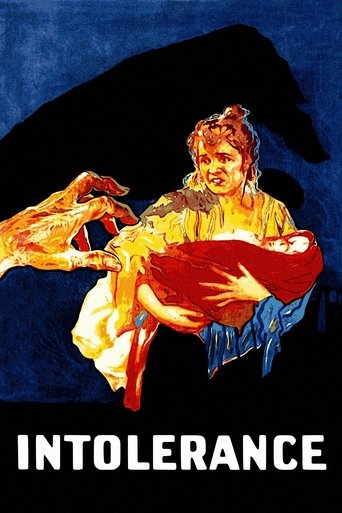
Intolerance: Love's Struggle Throughout the Ages
1916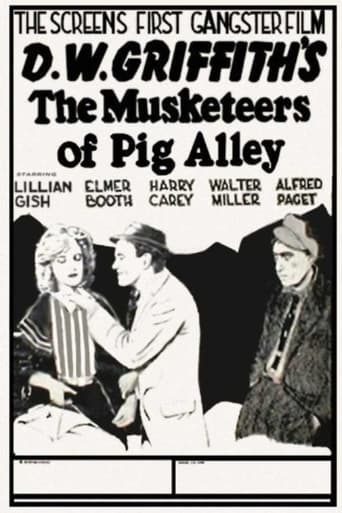
The Musketeers of Pig Alley
1912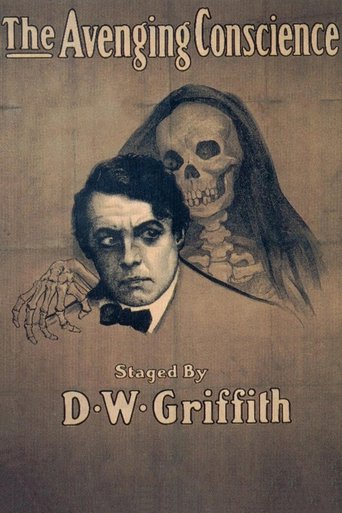
The Avenging Conscience
1914
Judith of Bethulia
1914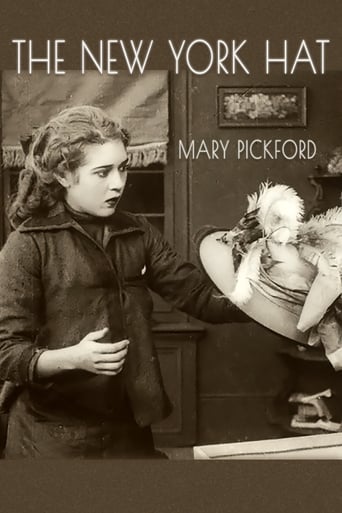
The New York Hat
1912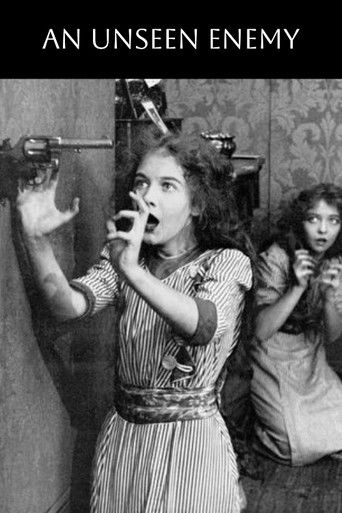
An Unseen Enemy
1912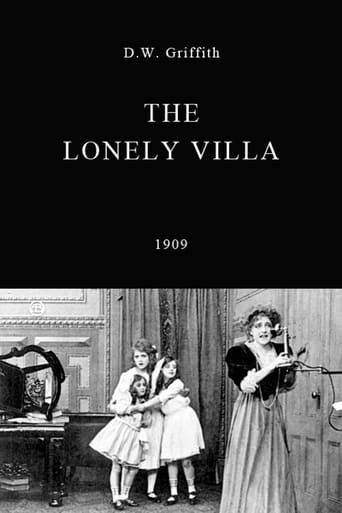
The Lonely Villa
1909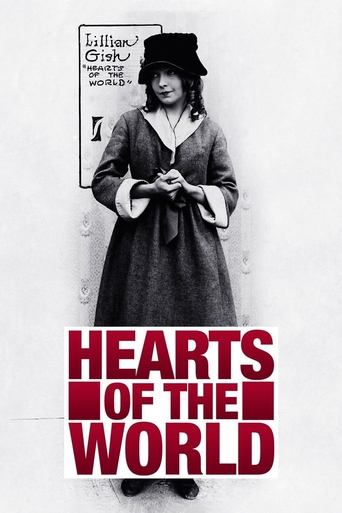
Hearts of the World
1918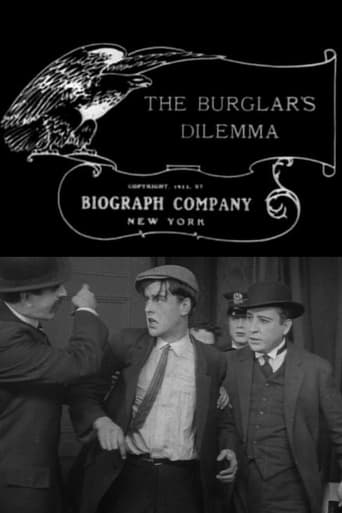
The Burglar’s Dilemma
1912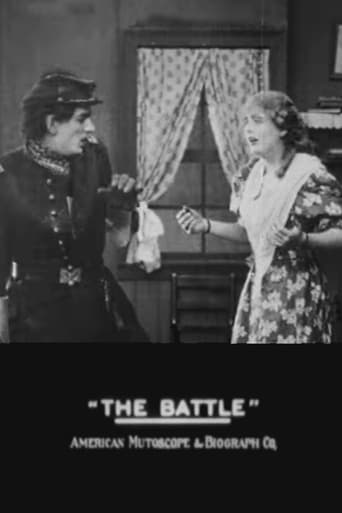
The Battle
1911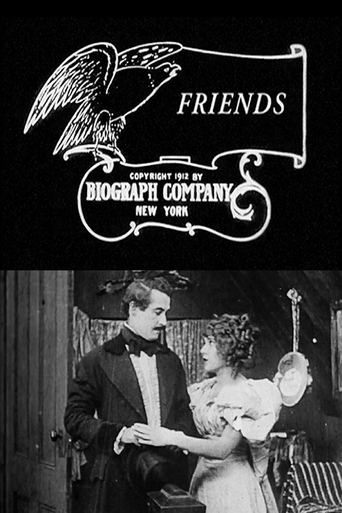
Friends
1912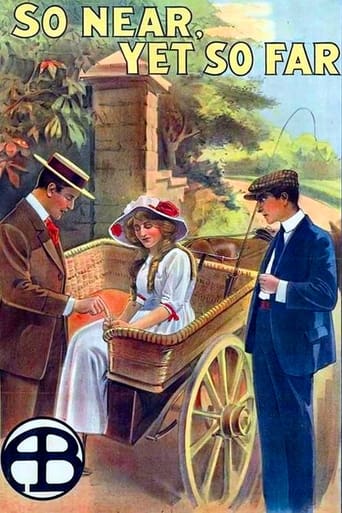
So Near, Yet So Far
1912
Balked at the Altar
1908
Home, Sweet Home
1914
A Drunkard's Reformation
1909
The Song of the Shirt
1908
Her First Adventure
1908
A Calamitous Elopement
1908
The Battle at Elderbush Gulch
1913
For His Son
1912
The Painted Lady
1912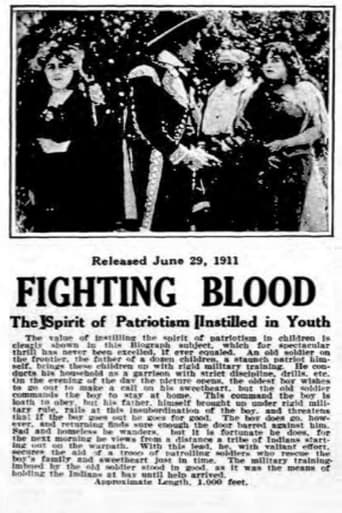
Fighting Blood
1911
The Miser's Heart
1911
The Greatest Question
1919
Through the Breakers
1909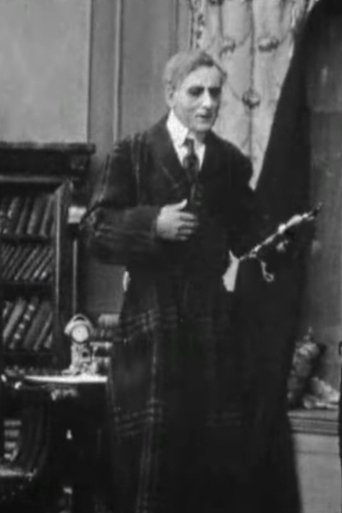
Two Memories
1909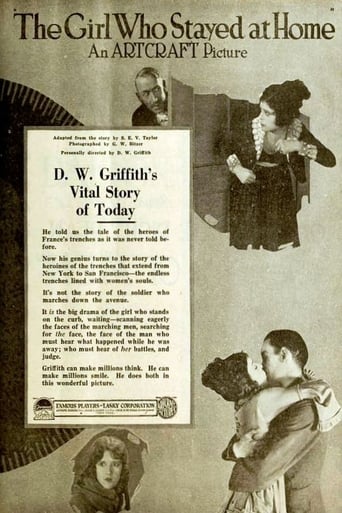
The Girl Who Stayed at Home
1919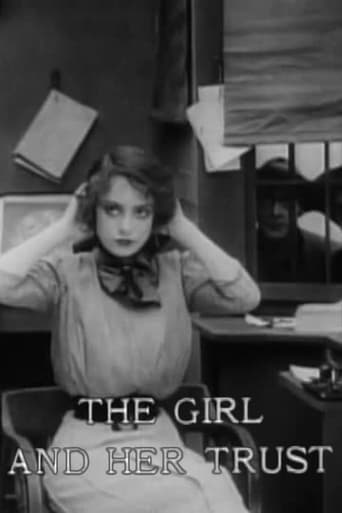
The Girl and Her Trust
1912
The Last Drop of Water
1911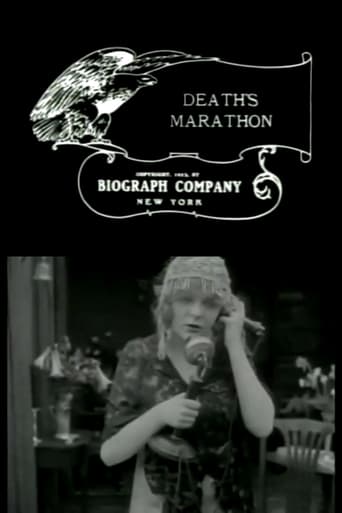
Death's Marathon
1913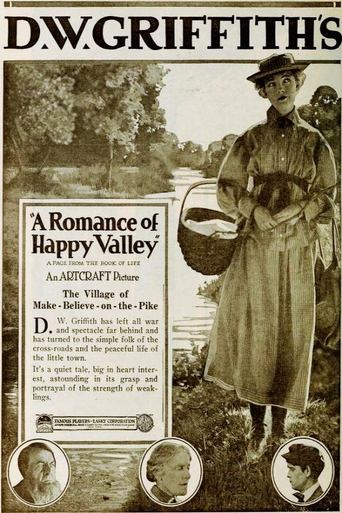
A Romance of Happy Valley
1919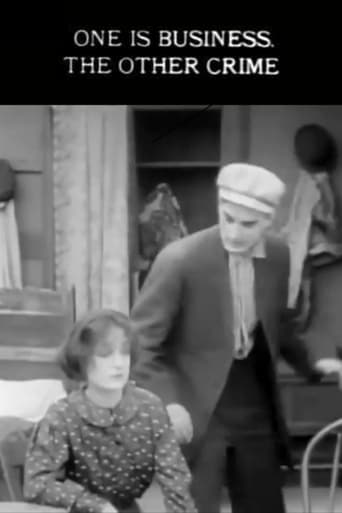
One Is Business, the Other Crime
1912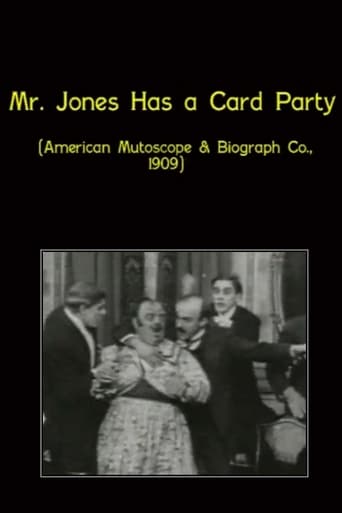
Mr. Jones Has a Card Party
1909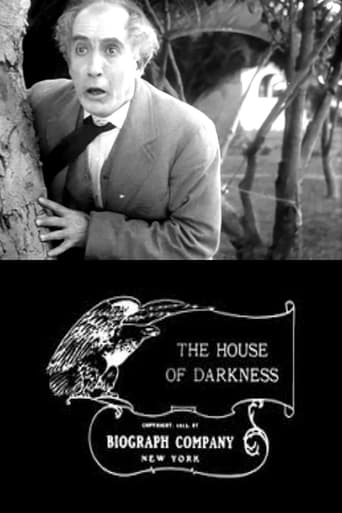
The House of Darkness
1913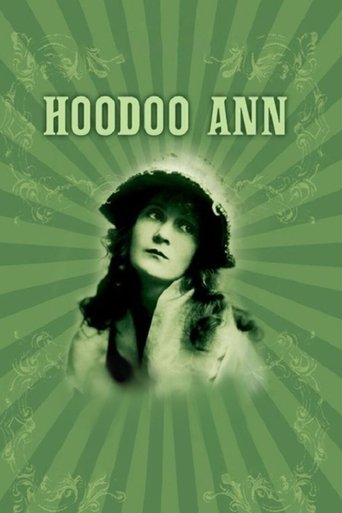
Hoodoo Ann
1916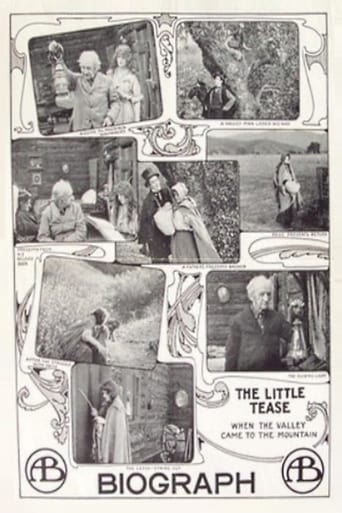
The Little Tease
1913
The Yaqui Cur
1913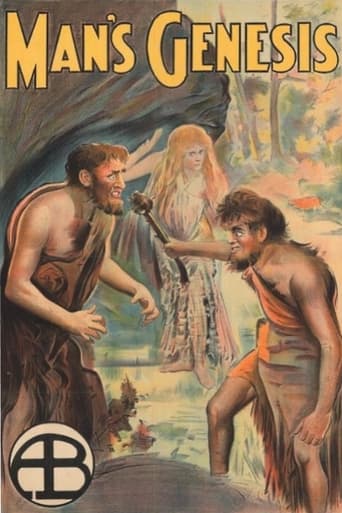
Man's Genesis
1912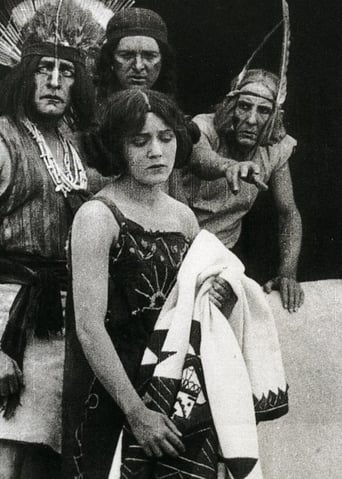
A Pueblo Legend
1912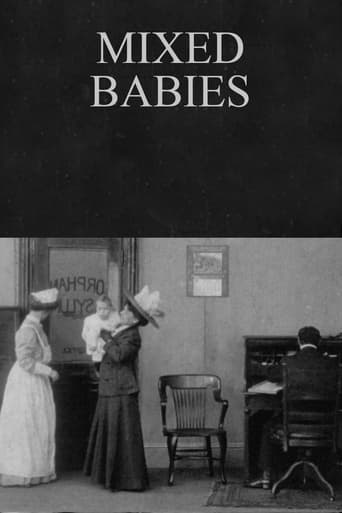
Mixed Babies
1908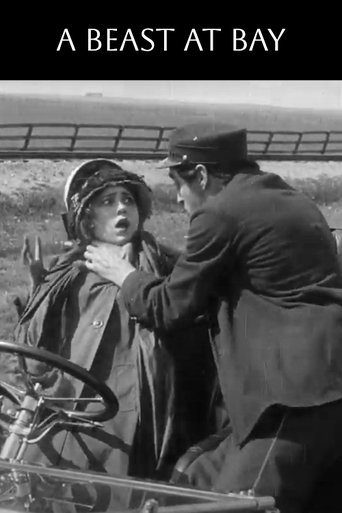
A Beast at Bay
1912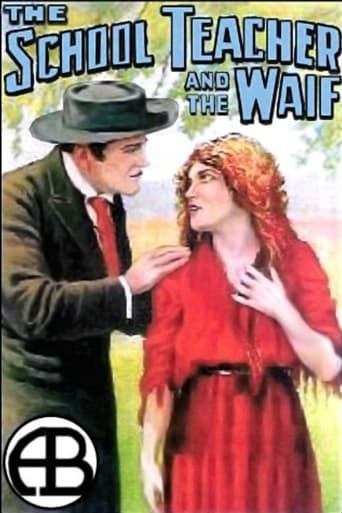
The School Teacher and the Waif
1912
Brute Force
1914
His Duty
1909
A Child's Impulse
1910
The Boy Detective, or The Abductors Foiled
1908
The Broken Locket
1909
Under Burning Skies
1912