Born: June 30, 1904 in Enid, Oklahoma, USADied: May 1, 1971Active: 1930-1970
About Glenda Farrell
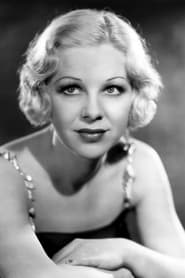
Glenda Farrell was a dynamic and versatile American actress who rose to prominence during the Golden Age of Hollywood, particularly known for her fast-talking, wisecracking roles at Warner Bros. in the 1930s. Born in Enid, Oklahoma, she began her career on Broadway before transitioning to films, making her screen debut in 1930. Farrell quickly established herself as a talented character actress with a distinctive rapid-fire delivery and comedic timing that made her a favorite in pre-Code Hollywood. Her breakthrough came with her role as the streetwise reporter Torchy Blane in a series of popular films, which showcased her ability to blend comedy with drama. Throughout the 1930s, she appeared in numerous Warner Bros. productions, often playing sophisticated, witty women who could hold their own against male leads. After her film career waned in the 1940s, Farrell successfully returned to Broadway and later found success in television, demonstrating remarkable adaptability across different media. Her career spanned over four decades, leaving an indelible mark on American entertainment with her memorable performances and distinctive acting style.
The Craft
On Screen
Glenda Farrell was renowned for her rapid-fire, machine-gun delivery and wisecracking persona, particularly in her reporter roles. She specialized in playing smart, sassy, and independent women who could match wits with any male character. Her style combined sharp comedic timing with genuine emotional depth, allowing her to excel in both screwball comedies and dramatic roles. Farrell possessed a unique ability to deliver lengthy, complex dialogue with remarkable speed and clarity, making her perfect for the fast-paced pre-Code films of the early 1930s.
Milestones
Academy Award nomination for Best Supporting Actress for 'Manhattan Melodrama' (1934)
Starred in the popular Torchy Blane film series (1937-1939)
Leading contract player at Warner Bros. during the 1930s
Successful return to Broadway in 'The Voice of the Turtle' (1943)
Won Tony Award for 'The Bad Seed' (1955)
Transition to television with regular roles in 'Ben Casey' and 'The Andy Griffith Show'
Glenda Farrell married three times throughout her life. Her first marriage was to actor Thomas Richards, which ended in divorce. She then married film director Jack White in 1941, but this marriage also ended in divorce. Her final marriage was to Army Major James A. Thomas in 1947, with whom she remained until his death in 1960. Farrell had one son, Tommy Farrell, who followed in his mother's footsteps to become an actor. Despite her busy career, she maintained close relationships with her family and was known as a devoted mother.
spouses
children
education
Attended Oklahoma College for Women (now University of Science and Arts of Oklahoma) before moving to New York to study drama
studioAffiliations
frequentCollaborators
mentors
protégés
culturalImpact
Glenda Farrell significantly influenced the portrayal of strong, independent women in American cinema during the 1930s. Her Torchy Blane character was groundbreaking as one of the first female leads in an action-oriented film series, paving the way for future female protagonists. Farrell's fast-talking style became synonymous with the pre-Code era's sophisticated urban comedies, helping define the sound of early talkies. Her success demonstrated that female characters could be both intelligent and commercially viable, challenging traditional gender roles in Hollywood storytelling.
legacy
Glenda Farrell's legacy endures through her influential body of work and the trail she blazed for women in film. The Torchy Blane series she headlined was reportedly an inspiration for Superman's love interest Lois Lane, showcasing her lasting impact on popular culture. Her ability to seamlessly transition between film, stage, and television demonstrated remarkable versatility that few of her contemporaries matched. Farrell's distinctive acting style continues to be studied by film scholars and admired by classic cinema enthusiasts, representing the golden age of Hollywood's sharp wit and sophisticated dialogue.
influence
Farrell influenced generations of actresses with her rapid-fire delivery and portrayal of intelligent, independent women. Her work inspired the screwball comedy heroines of the late 1930s and 1940s, including Katharine Hepburn and Rosalind Russell. Contemporary actresses who specialize in witty, fast-talking roles owe a debt to Farrell's pioneering style. Her success in the Torchy Blane series helped establish the template for female-led action and mystery films that continues in modern cinema.