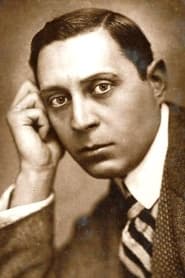
Jenő Törzs
Actor
Born: April 23, 1887 in Budapest, Austria-Hungary Died: February 1, 1946 Active: 1906-1945 Birth Name: Jenő Bloch
About Jenő Törzs
Jenő Törzs (born Jenő Bloch) was a preeminent figure of the Hungarian stage and screen, whose career spanned the transition from silent films to the Golden Age of Hungarian talkies. Born into a Jewish family in Budapest, he graduated from the Academy of Dramatic Arts in 1906 and quickly established himself as a versatile leading man at the Thália Society and the Magyar Theatre. He became a national sensation for his dramatic portrayals of iconic characters like Hamlet and Peer Gynt, while also excelling in sophisticated comedies. During the silent era, he starred in early masterpieces such as 'Alraune' (1918) and 'Oliver Twist' (1919), often playing aristocratic or intellectual figures. His career reached a peak in the 1930s with 'The Dream Car' (1934), where his portrayal of a wealthy director became a definitive archetype of the era. Tragically, his career was interrupted in 1941 by the anti-Jewish laws in Hungary, which barred him from performing until the end of World War II. Though he returned to the National Theatre in 1945, his health had been severely compromised by the years of persecution, and he passed away shortly after in 1946.
The Craft
On Screen
Törzs was celebrated for his elegant, intellectual, and deeply sincere acting style. He possessed a resonant, melodic voice that made him a natural for the transition to sound cinema, unlike many of his contemporaries. His stage presence was characterized by a refined dignity, often portraying noblemen, bankers, or high-ranking professionals with a mix of authority and romantic charm.
Milestones
- Graduated from the Academy of Dramatic Arts in Budapest (1906)
- Achieved massive stage success as the Duke of Reichstadt in 'L'Aiglon'
- Starred in the early silent horror classic 'Alraune' (1918)
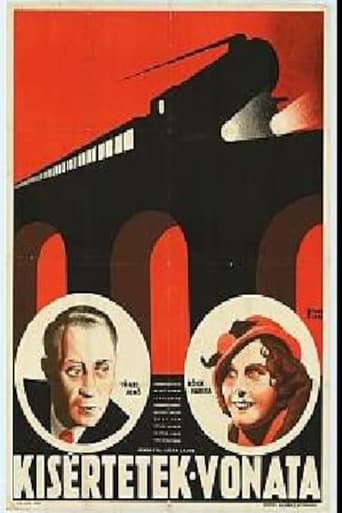
- Played the lead role of Teddy Deakin in the Hungarian mystery-thriller 'The Ghost Train' (1933)
- Iconic performance as János Szűcs in 'The Dream Car' (1934), one of Hungary's most famous films
- Inducted into the National Theatre of Hungary in 1945
Best Known For
Iconic Roles
Must-See Films
Accolades
Won
- Member of the National Theatre (Post-war honor, 1945)
- Various honorary recognitions from the Hungarian Actors' Association
Special Recognition
- Honorary Grave at the Fiumei Road Cemetery in Budapest
- Commemorated as one of the 'Greatest Generations' of Hungarian Theatre
Working Relationships
Worked Often With
Studios
Why They Matter
Impact on Culture
Jenő Törzs was the embodiment of the 'gentleman' archetype in Hungarian culture during the interwar period. His influence extended beyond the screen, as his fashion, speech, and mannerisms were widely emulated by the Hungarian public. He helped define the 'Golden Age' of Hungarian cinema, proving that local productions could match the sophistication and wit of Hollywood's screwball comedies and dramas.
Lasting Legacy
Törzs is remembered as one of the most significant tragic-comic actors in Hungarian history. His performance in 'The Dream Car' remains a staple of Hungarian television and a symbol of 1930s elegance. Despite the attempts of the pro-Nazi regime to erase his contributions due to his Jewish heritage, his legacy was restored after the war, and he is now studied as a master of the craft in Hungarian drama schools.
Who They Inspired
His vocal technique and 'naturalistic' approach to classical roles like Hamlet influenced generations of Hungarian actors who sought to move away from the declamatory style of the 19th century toward a more psychological and modern performance.
Off Screen
Törzs was the son of Áron Adolf Bloch and Berta Borbála Weisz. He changed his surname from Bloch to Törzs in 1898. He married actress Rózsi Forrai (born Rozália Fischer) in 1910, and they remained together until his death. The couple had one daughter, Éva Törzs, who became a notable painter.
Education
Országos Magyar Királyi Színművészeti Akadémia (National Hungarian Royal Academy of Dramatic Arts), graduated 1906
Family
- Rózsi Forrai (1910-1946)
Did You Know?
- He changed his name from Bloch to Törzs at the age of 11.
- He was considered too short for some stage roles, but his charisma was so great that he was cast as the lead in 'Hamlet' regardless.
- He performed the operetta 'Aki mer, az nyer' over 150 times alongside Hanna Honthy.
- During the years he was banned from the stage (1941-1945), he lived in internal exile and suffered from severe depression.
- His role in 'The Ghost Train' (1933) was based on the same Arnold Ridley play that became a British cinema staple.
- He was a prolific writer, publishing a book titled 'A színész árnyéka' (The Actor's Shadow).
In Their Own Words
The stage is not a place for lies, but a place for the most painful truths to be told through the mask of a character.
A true actor does not play a role; he lends his soul to a stranger for a few hours.
Frequently Asked Questions
Who was Jenő Törzs?
Jenő Törzs was a legendary Hungarian stage and film actor, known for his elegant leading roles in both silent films and early talkies. He was a central figure in the Hungarian Golden Age of cinema during the 1930s.
What films is Jenő Törzs best known for?
He is most famous for 'The Dream Car' (Meseautó, 1934), 'The Ghost Train' (Kísértetek vonata, 1933), and the silent horror film 'Alraune' (1918).
When was Jenő Törzs born and when did he die?
He was born on April 23, 1887, in Budapest and died on February 1, 1946, also in Budapest, shortly after returning to the stage following WWII.
What awards did Jenő Törzs win?
While formal film awards were less common in his era, he received the highest professional honor of being named a member of the National Theatre of Hungary in 1945.
What was Jenő Törzs's acting style?
He was known for a sophisticated, intellectual, and understated style, characterized by a beautiful speaking voice and a gentlemanly screen presence.
Why did Jenő Törzs stop acting in 1941?
He was forced to stop acting due to the anti-Jewish laws enacted in Hungary during WWII, which prohibited Jewish artists from performing in theaters or appearing in films.
Learn More
Films
1 film