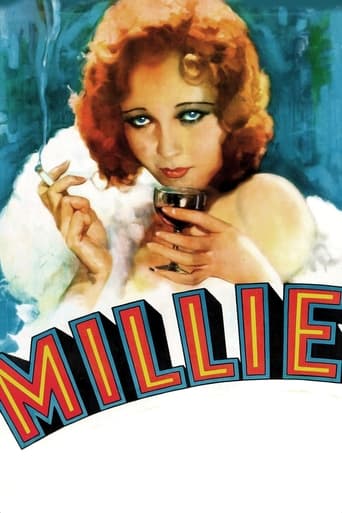

Helen Twelvetrees
Actor
Born: December 25, 1907 in Brooklyn, New York, USA Died: February 13, 1958 Active: 1928-1939 Birth Name: Helen Marie Jurgens
About Helen Twelvetrees
Helen Twelvetrees was one of the most prominent actresses of the early sound era, known for her intense emotional performances in melodramatic roles. Born Helen Marie Jurgens in Brooklyn, New York, she began her career on Broadway before being discovered by Hollywood and signed by Paramount Pictures in 1929. Her breakthrough came with the 1930 film 'Her Man,' where her powerful performance as a prostitute established her as a leading lady capable of handling complex, emotionally demanding roles. Throughout the early 1930s, she starred in numerous successful films including 'Millie' (1931), 'The Painted Desert' (1931), and 'Bad Company' (1931), earning the nickname 'Queen of the Crying Movies' for her ability to convey deep emotion on screen. However, by the mid-1930s, her popularity began to wane as audience tastes shifted, and she made her final film appearance in 1939. Tragically, she died of a drug overdose at age 50 in 1958, marking the end of a career that, though brief, left a significant mark on early sound cinema.
The Craft
On Screen
Known for her intense, emotional performances in melodramatic roles, Twelvetrees specialized in playing suffering women with depth and authenticity. Her acting style was characterized by naturalistic delivery for the early sound era, with a particular talent for conveying complex emotions through subtle facial expressions and vocal modulation. She was often cast as 'fallen women' or characters facing moral dilemmas, bringing a sympathetic vulnerability to these roles that resonated with Depression-era audiences.
Milestones
- Broadway debut in 'The Command Performance' (1928)
- Film breakthrough in 'Her Man' (1930)
- Starred in 'Millie' (1931)
- Leading role in 'The Painted Desert' (1931)
- Received Hollywood Walk of Fame star
Best Known For
Iconic Roles
Must-See Films
Accolades
Special Recognition
- Hollywood Walk of Fame star (6301 Hollywood Boulevard)
Working Relationships
Worked Often With
Studios
Why They Matter
Impact on Culture
Helen Twelvetrees represented a transitional figure in Hollywood's shift from silent films to talkies, embodying the new type of actress who could handle both emotional depth and vocal performance. Her portrayals of complex, often morally ambiguous women helped expand the possibilities for female characters in early sound cinema, moving beyond the one-dimensional stereotypes common in earlier films. During the Great Depression, her suffering characters resonated deeply with audiences seeking emotional catharsis, making her one of the era's most relatable stars.
Lasting Legacy
Though largely forgotten today, Helen Twelvetrees was a significant figure in early sound cinema, paving the way for more nuanced female performances in Hollywood films. Her ability to convey deep emotion and complexity in her roles helped establish the dramatic potential of talking pictures and influenced subsequent generations of actresses specializing in melodramatic roles. Her career trajectory also serves as a cautionary tale about the fleeting nature of Hollywood stardom, particularly for actresses typecast in specific genres.
Who They Inspired
Twelvetrees influenced actresses who followed in her footsteps in playing emotionally complex women in melodramas, including Bette Davis and Joan Crawford, who would later perfect similar roles. Her naturalistic acting style in early talkies demonstrated that emotional depth could be conveyed through sound as effectively as through silent pantomime, helping establish new acting techniques for the sound era.
Off Screen
Helen Twelvetrees had a tumultuous personal life marked by two marriages and struggles with depression. She married Broadway performer Jack Whiting in 1928, and they had one son together before divorcing in 1934. In 1936, she married Louis L. 'L.L.' Loewen, a wealthy businessman, but this marriage also ended in divorce. Throughout her life, she battled with mental health issues and ultimately died of an accidental overdose of sleeping pills in Harrisburg, Pennsylvania, where she had been living with her sister.
Education
Attended Erasmus Hall High School in Brooklyn, studied acting at the American Academy of Dramatic Arts
Family
- Jack Whiting (1928-1934)
- Louis L. Loewen (1936-1945)
Did You Know?
- Was nicknamed 'Queen of the Crying Movies' for her frequent roles in melodramas
- Her stage name 'Twelvetrees' was suggested by a fortune teller
- She was discovered by a Paramount talent scout while performing on Broadway
- Her film 'The Story of Temple Drake' (1933) was controversial for its sexual content
- She earned $750 per week at the height of her fame
- Her son Jack Whiting Jr. became a professional golfer
- She was one of the first actresses to successfully transition from silent films to talkies
- Her last film was 'Unmarried' (1939)
- She was cremated and her ashes were scattered in Pennsylvania
- At her peak, she received 5,000 fan letters per week
In Their Own Words
I'm not afraid of any role that has real feeling in it
The camera doesn't lie, and I don't either
I'd rather play a small part well than a big part badly
Frequently Asked Questions
Who was Helen Twelvetrees?
Helen Twelvetrees was an American actress prominent in early sound films of the 1930s, known for her emotional performances in melodramas and her nickname as the 'Queen of the Crying Movies'.
What films is Helen Twelvetrees best known for?
She is best known for 'Millie' (1931), 'Her Man' (1930), 'The Painted Desert' (1931), 'Bad Company' (1931), and 'The Story of Temple Drake' (1933).
When was Helen Twelvetrees born and when did she die?
She was born on December 25, 1907, in Brooklyn, New York, and died on February 13, 1958, in Harrisburg, Pennsylvania, at age 50.
What awards did Helen Twelvetrees win?
While she didn't win major acting awards during her career, she received a star on the Hollywood Walk of Fame at 6301 Hollywood Boulevard for her contributions to film.
What was Helen Twelvetrees' acting style?
Twelvetrees was known for her intense, emotional performances in melodramatic roles, specializing in playing suffering women with naturalistic delivery and deep emotional authenticity that resonated with Depression-era audiences.
Learn More
Films
1 film