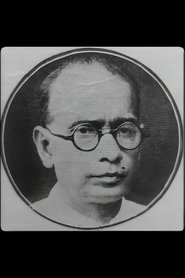
Jyotish Bandyopadhyay
Director
Active: 1932-1932
About Jyotish Bandyopadhyay
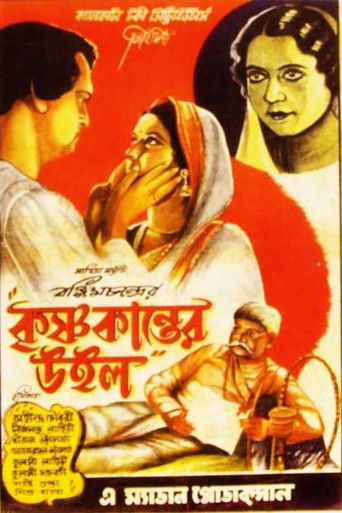
Jyotish Bandyopadhyay was an early pioneer of Bengali cinema during the transitional period from silent films to talkies in the 1930s. He emerged as a director during a crucial era when Indian cinema was establishing its identity and moving away from theatrical influences. His most notable work, 'Krishnakanter Will' (1932), was produced during the early years of sound cinema in Bengal, demonstrating his ability to adapt to new cinematic technologies. Bandyopadhyay was part of the first generation of Indian filmmakers who helped establish the foundation of regional cinema, particularly in Bengal. His work reflected the cultural and literary traditions of Bengal, adapting local stories for the emerging medium of cinema. While his filmography appears limited to the early 1930s, his contribution to establishing Bengali cinema's early narrative traditions was significant. He represents the early wave of indigenous directors who helped shape Indian cinema before it became a major industrial force.
The Craft
Behind the Camera
Early Bengali cinematic style, likely influenced by theatrical traditions and emerging film techniques of the 1930s
Milestones
- Directed 'Krishnakanter Will' (1932)
- Pioneer of early Bengali talkie cinema
- Contributed to establishing regional film traditions in 1930s India
Best Known For
Must-See Films
Accolades
Special Recognition
- Recognized as an early pioneer of Bengali cinema in historical film studies
Working Relationships
Studios
Why They Matter
Impact on Culture
Jyotish Bandyopadhyay contributed to the early development of Bengali cinema during its formative years in the 1930s. His work helped establish the foundation for regional Indian cinema, particularly in adapting literary and cultural themes for the new medium of sound film. Directors like Bandyopadhyay were instrumental in creating a cinematic language that was distinctly Indian rather than merely imitating Western film styles. Their efforts during this crucial period laid the groundwork for the golden age of Bengali cinema that would emerge in subsequent decades.
Lasting Legacy
As one of the early directors of Bengali cinema, Jyotish Bandyopadhyay's legacy lies in his contribution to establishing regional film industries in India during the early talkie era. While detailed records of his work are limited, his film 'Krishnakanter Will' (1932) stands as a testament to the early efforts to create authentic Bengali cinema. He represents the generation of filmmakers who bridged the gap between theatrical traditions and cinematic storytelling, helping to define what Indian cinema would become.
Who They Inspired
While specific influences of Jyotish Bandyopadhyay on later filmmakers are difficult to trace due to limited documentation, early pioneers like him collectively influenced the development of Bengali cinema's distinctive style. Their work in adapting local literature and cultural themes for film established patterns that would be refined and expanded by later generations of Bengali filmmakers.
Off Screen
Very limited information is available about Jyotish Bandyopadhyay's personal life, which is common for early Indian cinema figures from the 1930s era when detailed documentation was sparse.
Did You Know?
- 'Krishnakanter Will' (1932) was produced during the very early years of sound cinema in India
- The film's title suggests it was likely based on Bengali literature, common practice in early Bengali cinema
- Bandyopadhyay worked during a period when Indian cinema was transitioning from silent films to talkies
- Early Bengali directors like Bandyopadhyay often had backgrounds in theater
- The 1930s was a crucial decade for establishing regional cinema industries in India
- Very few complete records exist from this early period of Indian cinema
- Early Bengali films often dealt with social reform themes and literary adaptations
Frequently Asked Questions
Who was Jyotish Bandyopadhyay?
Jyotish Bandyopadhyay was an early Bengali film director who worked during the formative years of Indian cinema in the 1930s, best known for directing 'Krishnakanter Will' in 1932.
What films is Jyotish Bandyopadhyay best known for?
He is primarily known for directing 'Krishnakanter Will' (1932), which appears to be his most significant or possibly only credited film work.
When was Jyotish Bandyopadhyay active as a director?
Based on available records, he was active as a director in 1932, during the early era of Bengali talkie cinema.
What was significant about Jyotish Bandyopadhyay's work?
His work was significant as part of the early development of Bengali cinema during the transition from silent films to talkies in the 1930s.
Why is there limited information about Jyotish Bandyopadhyay?
Limited information is common for early Indian cinema figures from the 1930s due to sparse documentation and preservation challenges of that era.
Learn More
Films
1 film