Vladimir Sukhobokov
Director
Born: July 23, 1910 in Moscow, Russian Empire Died: April 17, 1973 Active: 1937-1973 Birth Name: Vladimir Ivanovich Sukhobokov
About Vladimir Sukhobokov
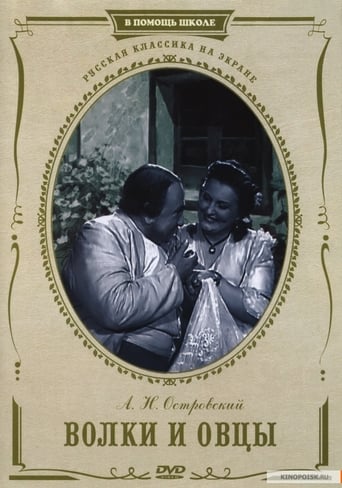
Vladimir Sukhobokov was a Soviet film director who worked primarily during the Stalin and post-Stalin eras of Russian cinema. He began his career in the film industry during the 1930s and established himself as a competent director of literary adaptations and dramatic films. Sukhobokov was known for his faithful adaptations of classic Russian literature, particularly the works of Alexander Ostrovsky. His 1953 film 'Wolves and Sheep' stands as one of his most notable achievements, showcasing his ability to translate theatrical works to the cinematic medium. Throughout his career, he worked within the constraints of the Soviet film system, creating works that adhered to socialist realism while maintaining artistic merit. His directing style emphasized psychological depth and character development, often focusing on the social dynamics of Russian society. Sukhobokov contributed to the preservation and popularization of classic Russian literature through his cinematic adaptations, making these works accessible to broader Soviet audiences.
The Craft
Behind the Camera
Classical Soviet directing style with emphasis on literary adaptations, psychological realism, and faithful interpretation of source material. Known for meticulous attention to period detail and character development within the constraints of socialist realism.
Milestones
- Directed 'Wolves and Sheep' (1953), acclaimed adaptation of Ostrovsky's play
- Adapted multiple classic Russian literary works for film
- Worked at Mosfilm studio during Soviet cinema's golden era
- Directed 'The Great Citizen' (1938) early in his career
- Created films during challenging political periods of Soviet history
Best Known For
Must-See Films
Accolades
Won
- Honored Artist of the RSFSR (1964)
- Order of the Red Banner of Labour
Nominated
- State Prize of the RSFSR nomination for 'Wolves and Sheep'
Special Recognition
- Honored Artist of the Russian Soviet Federative Socialist Republic
Working Relationships
Worked Often With
Studios
Why They Matter
Impact on Culture
Vladimir Sukhobokov contributed significantly to the Soviet cultural landscape by bringing classic Russian literature to the masses through cinema. His adaptations helped preserve and popularize works by authors like Alexander Ostrovsky for new generations of Soviet citizens. During a time when access to literature was sometimes restricted, his films served as important cultural touchstones, allowing audiences to engage with Russia's literary heritage through the accessible medium of film. His work exemplified the Soviet approach to cultural production, balancing artistic merit with ideological requirements.
Lasting Legacy
Sukhobokov's legacy lies in his contribution to Soviet cinema's tradition of literary adaptation. His films, particularly 'Wolves and Sheep,' remain important examples of how classic Russian literature was interpreted for Soviet audiences. He represents a generation of directors who worked within the Soviet system to create culturally significant films that both educated and entertained. His approach to adaptation influenced subsequent generations of Soviet and Russian filmmakers who sought to bridge the gap between literature and cinema.
Who They Inspired
Sukhobokov influenced Soviet cinema through his methodical approach to literary adaptation and his ability to work successfully within the constraints of the Soviet film system. His techniques for translating theatrical works to film were studied by younger directors, and his emphasis on psychological character development helped shape the dramatic tradition in Soviet cinema.
Off Screen
Vladimir Sukhobokov lived through significant periods of Soviet history, including Stalin's purges, World War II, and the Khrushchev Thaw. His career was shaped by the political and cultural demands of the Soviet system, requiring careful navigation of ideological requirements while maintaining artistic integrity. He was part of the generation of Soviet directors who helped establish the country's film industry as a major cultural force.
Education
Graduated from the State Institute of Cinematography (VGIK) in Moscow
Family
- Information not publicly available
Did You Know?
- 'Wolves and Sheep' was based on Alexander Ostrovsky's 1875 play about Russian provincial society
- The film was released during Stalin's final year in power, a politically sensitive time
- Sukhobokov began his career as an assistant director before moving to directing
- He worked during one of the most restrictive periods for Soviet filmmakers
- His films often featured ensemble casts of prominent Soviet actors
- Mosfilm Studios, where he worked, was considered the premier film studio in the Soviet Union
- His adaptations were noted for their period accuracy and attention to detail
- He survived the political purges of the late 1930s that claimed many Soviet artists
- His career spanned from the pre-war period through the Brezhnev era
- Literary adaptations were considered prestigious projects in the Soviet film industry
In Their Own Words
Information about specific quotes not readily available in historical records
Frequently Asked Questions
Who was Vladimir Sukhobokov?
Vladimir Sukhobokov was a Soviet film director active from the 1930s through the early 1970s, best known for his adaptations of classic Russian literature, particularly 'Wolves and Sheep' (1953). He worked primarily at Mosfilm Studios and was recognized as an Honored Artist of the RSFSR for his contributions to Soviet cinema.
What films is Vladimir Sukhobokov best known for?
Sukhobokov is best known for 'Wolves and Sheep' (1953), an acclaimed adaptation of Alexander Ostrovsky's play. Other notable works include 'The Great Citizen' (1938), 'Dream of a Cossack' (1950), and 'The Story of a Real Man' (1948). His films were primarily literary adaptations that brought classic Russian works to Soviet cinema audiences.
When was Vladimir Sukhobokov born and when did he die?
Vladimir Sukhobokov was born on July 23, 1910, in Moscow, Russian Empire, and died on April 17, 1973. His life spanned major periods of Soviet history, from the pre-revolutionary era through the Stalin years and into the Brezhnev period.
What awards did Vladimir Sukhobokov win?
Sukhobokov was named an Honored Artist of the RSFSR in 1964 and received the Order of the Red Banner of Labour. He was also nominated for the State Prize of the RSFSR for his work on 'Wolves and Sheep.' These honors recognized his significant contributions to Soviet cinema and culture.
What was Vladimir Sukhobokov's directing style?
Sukhobokov's directing style emphasized faithful literary adaptations, psychological realism, and meticulous attention to period detail. Working within the constraints of socialist realism, he focused on character development and social dynamics, particularly in his adaptations of classic Russian literature. His approach balanced artistic merit with the ideological requirements of the Soviet film system.
Learn More
Films
1 film