Baiwan Li
Actor
Born: January 1, 1926 in Hebei Province, China Died: January 1, 2010 Active: 1949-1980 Birth Name: Li Baiwan (李百万)
About Baiwan Li
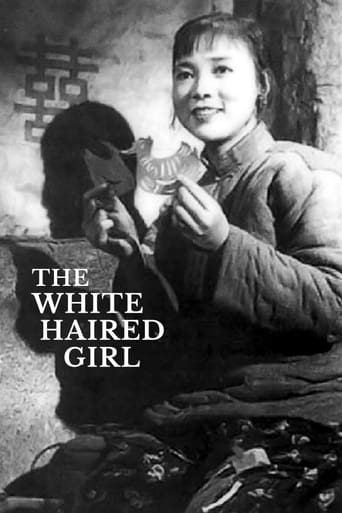
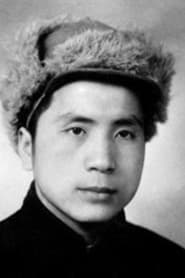
Li Baiwan (born January 1, 1926) was a prominent Chinese film actor who rose to national fame during the early years of the People's Republic of China. He is best remembered for his portrayal of Wang Dachun, the heroic peasant-turned-soldier in the seminal 1951 film 'The White-Haired Girl'. Born in North China, Li's career was deeply intertwined with the development of the Northeast Film Studio (later Changchun Film Studio) and the Beijing Film Studio. Throughout the 1950s and 1960s, he became a staple of 'Red Classic' cinema, often cast as the quintessential revolutionary hero or the upright common man. His performance in 'The White-Haired Girl' alongside Tian Hua helped define the aesthetic and emotional tone of early socialist realism in Chinese cinema. Despite the political shifts of the era, Li maintained a steady career, contributing to several significant productions that documented the social transformations of his country.
The Craft
On Screen
Li Baiwan was known for a grounded, sincere acting style that epitomized the 'Worker-Peasant-Soldier' ideal of early Chinese socialist cinema. His performances were characterized by a rugged physicality and an expressive, earnest facial delivery that conveyed moral clarity and revolutionary resolve. Unlike the more stylized performances of traditional opera, Li embraced a more naturalistic approach suited for the screen, which helped audiences connect with the human struggles behind the political themes of his films.
Milestones
- Starring as Wang Dachun in the internationally acclaimed 'The White-Haired Girl' (1951)
- Key member of the Northeast Film Studio acting ensemble during the formative years of PRC cinema
- Featured in 'Daughters of China' (1949), one of the first major films of the new era
- Portrayed Guo Quanhai in the influential agrarian reform film 'The Hurricane' (1961)
- Recipient of the Special Honorary Prize at the 6th Karlovy Vary International Film Festival for his work in 'The White-Haired Girl'
Best Known For
Iconic Roles
Must-See Films
Accolades
Won
- Special Honorary Prize at the 6th Karlovy Vary International Film Festival (1951) for 'The White-Haired Girl'
- Ministry of Culture Outstanding Film Award (1951)
Special Recognition
- Recognized as a 'Veteran Artist' of the Beijing Film Studio
- Commemorated in the 'Century of Chinese Cinema' retrospectives
Working Relationships
Worked Often With
Studios
Why They Matter
Impact on Culture
Li Baiwan's portrayal of Wang Dachun in 'The White-Haired Girl' became an iconic image of the 'liberator' in Chinese culture. The film was seen by over six million people in its first release and was exported to over 30 countries, making Li one of the first faces of the New China to be recognized internationally. His work helped establish the 'Red Classic' genre, which used melodrama and folk-inspired storytelling to communicate the transition from the 'Old Society' (where humans were turned into ghosts) to the 'New Society' (where ghosts were turned back into humans).
Lasting Legacy
Li's legacy is preserved through his contribution to the foundational films of modern Chinese cinema. 'The White-Haired Girl' remains a mandatory study for film historians focusing on Asian cinema and socialist realism. As a leading man of the 1950s, he represented a specific historical moment of optimism and social upheaval, and his films continue to be broadcast in China as cultural touchstones of the revolutionary era.
Who They Inspired
He influenced subsequent generations of Chinese actors who sought to balance political messaging with authentic emotional performance. His ability to portray the 'common man' with dignity and strength became a template for the heroic archetypes seen in Chinese cinema through the late 1970s.
Off Screen
Li Baiwan lived a relatively private life outside of his film career, dedicated to his work within the state-run studio system. He was part of the first generation of actors trained under the new cultural policies of the 1940s and 50s, which emphasized the artist's role as a servant of the people. He remained a respected figure in the Beijing film community until his passing in 2010.
Education
Trained at the Lu Xun Academy of Arts in Yan'an, a critical institution for revolutionary cultural workers.
Did You Know?
- Li Baiwan was born on New Year's Day in 1926.
- He was cast in 'The White-Haired Girl' partly because of his authentic 'peasant' appearance and his background in revolutionary theater.
- The film 'The White-Haired Girl' was so popular that it was later adapted into a famous ballet and a Peking Opera.
- He appeared in 'Daughters of China', which was the first PRC film to win an international award (at the Karlovy Vary Festival).
- Despite being a major star, he lived a modest life as a salaried employee of the Beijing Film Studio.
- His career spanned the transition from black-and-white film to color cinema in China.
In Their Own Words
The old society turned people into ghosts, but the new society turns ghosts back into people. (Context: Reflecting on the central theme of 'The White-Haired Girl')
An actor must first understand the life of the people before he can represent them on screen.
Frequently Asked Questions
Who was Li Baiwan?
Li Baiwan was a celebrated Chinese actor of the mid-20th century, best known for his leading roles in early revolutionary films. He became a national icon for his performance as Wang Dachun in the 1951 classic 'The White-Haired Girl'.
What films is Li Baiwan best known for?
He is most famous for 'The White-Haired Girl' (1951), 'Daughters of China' (1949), and 'The Hurricane' (1961). These films are considered 'Red Classics' in Chinese cinema history.
When was Li Baiwan born and when did he die?
Li Baiwan was born on January 1, 1926, in Hebei Province, China, and passed away on January 1, 2010.
What awards did Li Baiwan win?
He was part of the ensemble that won the Special Honorary Prize at the Karlovy Vary International Film Festival in 1951 and received several national honors from the Chinese Ministry of Culture.
What was Li Baiwan's acting style?
He practiced a sincere and rugged form of realism, focusing on the dignity and resilience of the working class. His style was designed to be accessible and inspiring to the mass audiences of the early People's Republic.
Learn More
Films
1 film