Aleksey Bondi
Actor
Born: January 15, 1904 in Moscow, Russian Empire Died: April 22, 1942 Active: 1937-1940 Birth Name: Aleksey Mikhailovich Bondi
About Aleksey Bondi
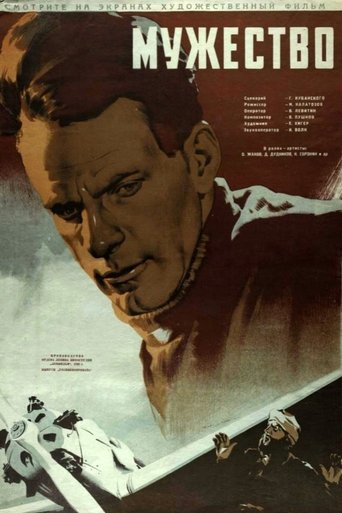
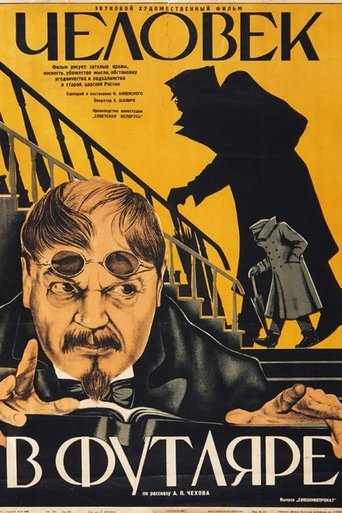
Aleksey Bondi was a Soviet actor who had a brief but notable career during the late 1930s, appearing in several significant films of the Stalinist era. His filmography, though spanning only four years from 1937 to 1940, included collaborations with prominent Soviet directors and participation in films that reflected the ideological and artistic trends of the period. Bondi appeared in 'The Return of Maxim' (1937), which was part of a trilogy about a revolutionary worker, demonstrating his ability to portray characters aligned with Soviet socialist realism ideals. His roles in 'Courage' (1939) and 'Man in a Shell' (1939) further established him as a reliable character actor capable of embodying the archetypes favored by Soviet cinema of the time. His final credited film was 'Galya' (1940), after which his career trajectory remains unclear, possibly interrupted by World War II or the shifting political climate of the early 1940s. Despite his short filmography, Bondi's work represents the typical journey of many Soviet actors who contributed to the cinema of their era without achieving lasting international recognition.
The Craft
On Screen
Bondi's acting style was characteristic of Soviet socialist realism, emphasizing clear character archetypes and ideological alignment. His performances were direct and unambiguous, serving the narrative and didactic purposes common in Soviet cinema of the 1930s. He demonstrated proficiency in portraying both working-class heroes and supporting characters that reinforced the films' ideological messages.
Milestones
- Debut in 'The Return of Maxim' (1937)
- Multiple film roles in 1939 including 'Courage' and 'Man in a Shell'
- Final film appearance in 'Galya' (1940)
Best Known For
Iconic Roles
Must-See Films
Working Relationships
Worked Often With
Studios
Why They Matter
Impact on Culture
Aleksey Bondi's cultural impact was primarily within the context of Soviet cinema of the late 1930s, a period characterized by strict adherence to socialist realism. His contributions, while not individually groundbreaking, were part of the collective effort to create films that served Soviet ideological goals. His work in 'The Return of Maxim' trilogy placed him within one of the most significant film series of the era, which helped shape Soviet popular culture's understanding of revolutionary heroism.
Lasting Legacy
Bondi's legacy is that of a representative example of the working Soviet actor of the 1930s and early 1940s. While he did not achieve the lasting fame of contemporaries like Nikolai Cherkasov or Boris Babochkin, his filmography provides insight into the typical career trajectory and artistic challenges faced by actors in the Soviet film industry during this period. His brief career, cut short by his death in 1942, reflects the tragic impact of World War II on Soviet cultural figures.
Who They Inspired
As a character actor rather than a star, Bondi's direct influence on subsequent generations of actors was limited. However, his work contributed to the establishment of acting conventions within Soviet cinema that would persist for decades. His performances in ideologically significant films helped reinforce the stylistic and thematic norms that Soviet actors would continue to follow throughout the mid-20th century.
Off Screen
Limited information is available about Aleksey Bondi's personal life, which was common for many Soviet actors of his generation who did not achieve star status. He lived and worked in Moscow during his active years in cinema. His death in 1942 suggests he may have been affected by World War II, though the specific circumstances are not documented in available sources.
Education
Likely attended theatrical training in Moscow, though specific educational details are not documented in available sources
Family
- Unknown
Did You Know?
- Appeared in four films within a four-year span, all during the height of Stalinist cultural policy
- Participated in 'The Return of Maxim', which was the second film in a trilogy about a Bolshevik revolutionary
- His career coincided with one of the most politically restrictive periods in Soviet cinema history
- Died during World War II, a period when many Soviet cultural figures lost their lives
- His filmography represents the typical output of a Soviet character actor of his era
- Worked with some of the most prominent Soviet directors of the 1930s
- His roles consistently aligned with the heroic worker archetype favored by socialist realism
In Their Own Words
No documented quotes are available from Aleksey Bondi in existing sources
Frequently Asked Questions
Who was Aleksey Bondi?
Aleksey Bondi was a Soviet actor active from 1937 to 1940 who appeared in several notable films of the Stalinist era, including 'The Return of Maxim' and 'Courage'. He was a character actor typical of the Soviet film industry during this period, specializing in roles that aligned with socialist realist principles.
What films is Aleksey Bondi best known for?
Bondi is best known for his appearances in 'The Return of Maxim' (1937), 'Courage' (1939), 'Man in a Shell' (1939), and 'Galya' (1940). 'The Return of Maxim' was particularly significant as part of a trilogy about a revolutionary worker that became one of the most celebrated film series in Soviet cinema.
When was Aleksey Bondi born and when did he die?
Aleksey Bondi was born on January 15, 1904, in Moscow, Russian Empire, and died on April 22, 1942. His death during World War II suggests he may have been a casualty of the war, though specific circumstances are not documented.
What awards did Aleksey Bondi win?
There are no documented awards or nominations for Aleksey Bondi in available sources. This was not uncommon for Soviet character actors of his generation who did not achieve star status, even when they contributed to significant and celebrated films.
What was Aleksey Bondi's acting style?
Bondi's acting style was characteristic of Soviet socialist realism, featuring direct performances that served ideological and narrative purposes. He specialized in portraying clear character archetypes, particularly working-class figures that reinforced the films' socialist messages, typical of Soviet cinema in the late 1930s.
Learn More
Films
4 films