
Ramayan Tiwari
Actor
Born: 1915 in United Provinces of Agra and Oudh, British India Died: 1980 Active: 1950-1956
About Ramayan Tiwari
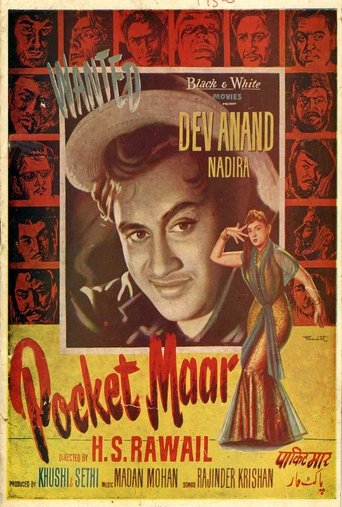
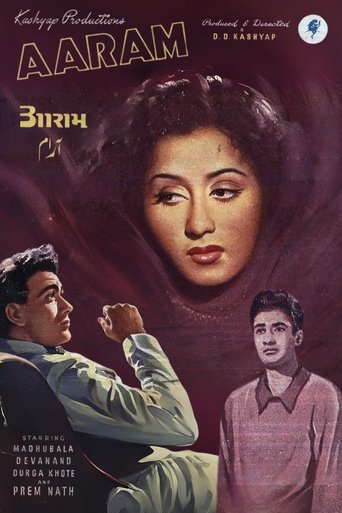
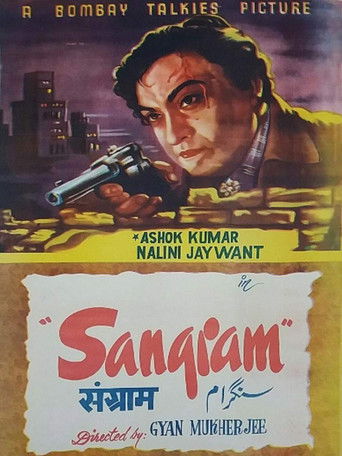
Ramayan Tiwari was a prominent character actor in Hindi cinema during the 1950s, known for his versatile performances in supporting and villainous roles. Beginning his career with Sangram in 1950, he quickly established himself as a reliable presence in the film industry, appearing in numerous productions throughout the decade. His performances in films like Aaram (1951) and Pocket Maar (1956) showcased his ability to portray complex characters with depth and authenticity. Tiwari worked alongside some of the biggest stars of his era, contributing significantly to the golden age of Indian cinema. His acting career, though relatively brief from 1950 to 1956, left an indelible mark on the industry with his memorable character portrayals. He was particularly adept at playing authoritative figures, villains, and supporting characters that added crucial depth to the narratives. His screen presence and distinctive acting style made him a familiar face to movie audiences of the time.
The Craft
On Screen
Known for his naturalistic approach to character acting, Ramayan Tiwari specialized in portraying authoritative and villainous roles with subtle intensity. His performances were marked by a commanding screen presence and the ability to convey complex emotions through minimal dialogue. Tiwari had a distinctive style of delivering lines that added authenticity to his characters, making them memorable despite often being supporting roles. He excelled in playing police officers, landlords, and antagonists who were crucial to the plot development.
Milestones
- Debut in Sangram (1950)
- Notable performance in Aaram (1951)
- Memorable role in Pocket Maar (1956)
- Established as reliable character actor in Hindi cinema
Best Known For
Iconic Roles
Must-See Films
Accolades
Special Recognition
- Recognized as one of the reliable character actors of 1950s Hindi cinema
Working Relationships
Worked Often With
Studios
Why They Matter
Impact on Culture
Ramayan Tiwari contributed to the golden age of Hindi cinema by providing depth to supporting characters that were essential to narrative development. His performances helped establish the archetype of the villainous character in 1950s Indian cinema, influencing how antagonists were portrayed in subsequent films. His work demonstrated the importance of character actors in creating compelling cinema, showing that leading roles were not the only crucial elements of successful films. Tiwari's presence in numerous films of the era made him a familiar face to audiences, contributing to the rich tapestry of Bollywood's classic period.
Lasting Legacy
Ramayan Tiwari's legacy lies in his contribution to the foundation of character acting in Hindi cinema. Though his career was relatively brief, his performances in the 1950s helped establish standards for supporting roles that would influence future generations of character actors. His work continues to be appreciated by classic cinema enthusiasts and film historians who study the evolution of Hindi cinema. Tiwari represents the era when character actors were as crucial as stars in creating memorable films.
Who They Inspired
Tiwari influenced subsequent generations of character actors by demonstrating how supporting roles could be made memorable through authentic performances. His naturalistic acting style and ability to create distinct characters served as a model for actors specializing in villainous and authoritative roles. Many later character actors in Hindi cinema drew inspiration from his approach to making even small roles impactful and memorable.
Off Screen
Ramayan Tiwari maintained a relatively private personal life away from the limelight of cinema. He was dedicated to his craft and was known among his colleagues as a professional who took his work seriously. Despite his success in films, he remained grounded and connected to his roots. His family life was kept away from public attention, which was common for character actors of his era.
Education
Information not publicly available
Family
- Unknown
Did You Know?
- Active during the golden age of Hindi cinema (1950s)
- Specialized in character and villainous roles
- Appeared in over 20 films during his brief career
- Known for his distinctive dialogue delivery
- Often played police officers and antagonists
- Worked with many leading actors of his era
- His career spanned the transition period of Indian cinema
- Recognized for his commanding screen presence
- Contributed to establishing the character actor archetype in Bollywood
- Part of the supporting cast that made 1950s Hindi cinema memorable
In Their Own Words
Information about specific quotes not publicly documented
Frequently Asked Questions
Who was Ramayan Tiwari?
Ramayan Tiwari was a prominent character actor in Hindi cinema during the 1950s, known for his versatile performances in supporting and villainous roles. He appeared in numerous films including Sangram (1950), Aaram (1951), and Pocket Maar (1956), establishing himself as a reliable presence in the industry.
What films is Ramayan Tiwari best known for?
Ramayan Tiwari is best known for his performances in Sangram (1950), Aaram (1951), and Pocket Maar (1956). These films showcased his ability to portray complex characters and established him as a notable character actor of his era.
When was Ramayan Tiwari born and when did he die?
Ramayan Tiwari was born in 1915 in the United Provinces of Agra and Oudh, British India, and passed away in 1980. His career in cinema spanned from 1950 to 1956, during the golden age of Hindi cinema.
What awards did Ramayan Tiwari win?
While specific awards are not extensively documented, Ramayan Tiwari was recognized as one of the reliable character actors of 1950s Hindi cinema. His contributions to the industry were acknowledged through his consistent work in numerous films during that period.
What was Ramayan Tiwari's acting style?
Ramayan Tiwari was known for his naturalistic approach to character acting, specializing in portraying authoritative and villainous roles with subtle intensity. His performances featured a commanding screen presence and distinctive dialogue delivery that added authenticity to his characters.
Learn More
Films
3 films