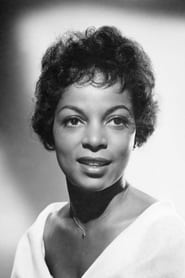
Ruby Dee
Actor
Born: October 27, 1922 in Cleveland, Ohio, USA Died: June 11, 2014 Active: 1940-2014 Birth Name: Ruby Ann Wallace
About Ruby Dee
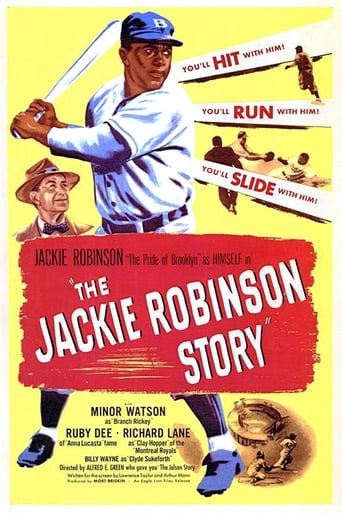
Ruby Dee was a pioneering African American actress, poet, playwright, screenwriter, journalist, and civil rights activist whose career spanned over seven decades. Born Ruby Ann Wallace, she began her career on Broadway in the 1940s before transitioning to film and television, where she broke barriers for Black performers in an era of limited opportunities. Her breakthrough role came in 'The Jackie Robinson Story' (1950), where she portrayed Rachel Robinson, establishing her as a significant presence in Hollywood. Throughout her career, Dee consistently chose roles that portrayed African Americans with dignity and complexity, refusing to accept stereotypical parts. She was equally renowned for her off-screen activism, working alongside her husband Ossie Davis in the Civil Rights Movement and participating in the March on Washington. Her later career saw her receive critical acclaim for powerful performances in films like 'Do the Right Thing' (1989) and 'American Gangster' (2007), earning her an Academy Award nomination at age 83. Dee's legacy encompasses both her artistic achievements and her unwavering commitment to social justice, making her one of the most respected figures in American entertainment and activism.
The Craft
On Screen
Ruby Dee was known for her naturalistic, emotionally authentic acting style that brought profound depth and humanity to every role. She possessed a remarkable ability to convey complex emotions through subtle gestures and her distinctive, mellifluous voice. Her approach was rooted in the American theater tradition, combining classical technique with raw emotional truth. Dee often portrayed strong, dignified African American women who challenged societal norms, bringing nuance and intelligence to characters that might otherwise have been one-dimensional. Her performances were marked by their quiet intensity, moral authority, and unwavering commitment to portraying Black life with authenticity and respect.
Milestones
- Broadway debut in 'South Pacific' (1943)
- Breakthrough film role in 'The Jackie Robinson Story' (1950)
- Co-founded the Ruby Dee Theater Company with Ossie Davis
- Emmy Award for 'Decoration Day' (1990)
- Academy Award nomination for 'American Gangster' (2007)
- Recipient of the National Medal of Arts (1995)
- Kennedy Center Honors (2004)
- Grammy Award for spoken word album 'With Ossie and Ruby' (2007)
Best Known For
Iconic Roles
Must-See Films
Accolades
Won
- Academy Award nomination for Best Supporting Actress (2008)
- Primetime Emmy Award for Outstanding Supporting Actress in a Miniseries (1991)
- Grammy Award for Best Spoken Word Album (2007)
- Screen Actors Guild Life Achievement Award (2000)
- National Medal of Arts (1995)
- Kennedy Center Honors (2004)
Nominated
- Academy Award nomination for Best Supporting Actress - 'American Gangster' (2008)
- Golden Globe nomination for Best Supporting Actress - 'American Gangster' (2008)
- Multiple Emmy nominations throughout career
- Tony Award nominations for Broadway performances
Special Recognition
- Hollywood Walk of Fame star
- National Association for the Advancement of Colored People (NAACP) Image Awards
- American Academy of Arts and Sciences membership
- Presidential Medal of Freedom (posthumous nomination)
- Black Filmmakers Hall of Fame inductee
Working Relationships
Worked Often With
Studios
Why They Matter
Impact on Culture
Ruby Dee's cultural impact transcends her impressive filmography, as she helped reshape the representation of African Americans in media while simultaneously fighting for civil rights. She broke ground by refusing to accept stereotypical roles, instead demanding complex, dignified characters that reflected the true breadth of Black experience. Her partnership with Ossie Davis created a model for artistic collaboration and social activism that influenced countless performers. Dee's work in films like 'A Raisin in the Sun' helped bring African American stories to mainstream audiences, paving the way for future generations of Black filmmakers and actors. Her activism, including participation in the March on Washington and work with the NAACP, demonstrated how artists could leverage their platform for social change. Through her teaching, writing, and public speaking, she became an elder stateswoman of both the entertainment industry and the civil rights movement.
Lasting Legacy
Ruby Dee's legacy is that of a trailblazer who seamlessly merged artistic excellence with social activism, creating a template for socially conscious performers. Her career spanned from the era of segregation through the election of America's first Black president, during which she consistently used her art to advance the cause of racial equality. The honors she received, including the National Medal of Arts and Kennedy Center Honors, reflect not just her artistic achievements but her broader impact on American culture. Her autobiography, 'With Ossie and Ruby: In This Life Together,' remains an important document of 20th century African American history. The Ruby Dee/Ossie Davis Endowment at Howard University continues their commitment to nurturing new artistic talent. Her influence can be seen in the careers of actors who refuse to be typecast and artists who see their work as intrinsically linked to social justice.
Who They Inspired
Ruby Dee influenced generations of performers through her example of maintaining artistic integrity while achieving commercial success. Actors like Viola Davis, Denzel Washington, and Whoopi Goldberg have cited her as an inspiration for combining craft with activism. Her naturalistic acting style influenced the move away from theatrical performances toward more authentic screen acting. Her work with independent filmmakers helped establish a market for films centered on African American experiences. Through her theater company and workshops, she directly mentored countless young performers. Her partnership with Ossie Davis created a model for power couples in entertainment who balance artistic collaboration with social activism. The way she navigated Hollywood's limitations while expanding opportunities for Black performers set a precedent for future generations of marginalized artists.
Off Screen
Ruby Dee was married three times, with her most significant partnership being her marriage to actor Ossie Davis in 1948. Their marriage lasted 56 years until Davis's death in 2005 and was considered one of Hollywood's most enduring and inspirational unions. Together, they had three children: son Guy Davis (a blues musician), and daughters Nora Davis Day and Hasna Muhammad. Dee was a devout Catholic and integrated her faith deeply into her life and work. She and Davis were prominent civil rights activists, working closely with Martin Luther King Jr. and Malcolm X, and their home became a gathering place for artists and activists. After Davis's death, Dee continued their work, maintaining their commitment to social justice and artistic excellence until her own death at age 91.
Education
Hunter College (BA, 1945), New School for Social Research, Actors Studio training
Family
- Frankie Dee Brown (1941-1945)
- William Dee (1949-1950)
- Ossie Davis (1948-2005)
Did You Know?
- Was the first African American woman to play major roles at the American Shakespeare Festival
- Spoke fluent Russian and studied at the Moscow Art Theatre
- Was arrested in 1963 while protesting apartheid in South Africa
- Received her first Oscar nomination at age 85
- Was a member of the Communist Party in the 1940s but later became a Catholic
- Wrote the play 'Take It from the Top' in 1995
- Was a close friend of both Martin Luther King Jr. and Malcolm X
- Appeared in over 100 films and television shows during her career
- Was a prolific writer who published several books of poetry and memoirs
- Received the Presidential Medal of Freedom posthumously in 2016
In Their Own Words
You have to be taught to hate. If you can learn to hate, you can be taught to love.
The kind of beauty I want most is the hard-to-get kind that comes from within - strength, courage, dignity.
We are all tied together in a single garment of destiny... An inescapable network of mutuality.
I never felt that I was a star. I always felt I was a worker in the vineyard.
Classical theater is my first love, but I also love film and television for their immediacy.
Frequently Asked Questions
Who was Ruby Dee?
Ruby Dee was a legendary African American actress, civil rights activist, and cultural icon whose career spanned over seven decades. She was known for breaking barriers in Hollywood and her lifelong commitment to social justice, working alongside her husband Ossie Davis in both artistic and civil rights endeavors.
What films is Ruby Dee best known for?
Ruby Dee is best known for 'The Jackie Robinson Story' (1950), 'A Raisin in the Sun' (1961), Spike Lee's 'Do the Right Thing' (1989), and her Oscar-nominated performance in 'American Gangster' (2007). She also had extensive work in television and theater throughout her career.
When was Ruby Dee born and when did she die?
Ruby Dee was born Ruby Ann Wallace on October 27, 1922, in Cleveland, Ohio. She died on June 11, 2014, in New Rochelle, New York, at the age of 91, leaving behind a remarkable legacy in both entertainment and civil rights.
What awards did Ruby Dee win?
Ruby Dee won an Emmy Award, a Grammy Award, and received an Academy Award nomination for 'American Gangster' at age 85. She also received the National Medal of Arts, Kennedy Center Honors, and the Screen Actors Guild Life Achievement Award, among numerous other honors.
What was Ruby Dee's acting style?
Ruby Dee was known for her naturalistic, emotionally authentic acting style that brought depth and dignity to every role. She combined classical theater training with raw emotional truth, often portraying strong African American women with complexity and intelligence, refusing stereotypical roles throughout her career.
Learn More
Films
1 film