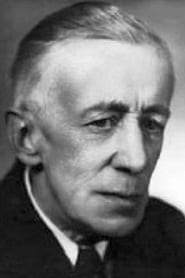
Vladimir Taskin
Actor
Born: May 25, 1908 in Moscow, Russian Empire Died: January 28, 1990 Active: 1935-1980s Birth Name: Vladimir Pavlovich Taskin
About Vladimir Taskin
Vladimir Pavlovich Taskin (1908-1990) was a distinguished Soviet actor whose career spanned over five decades, though his most prominent film work occurred during the 1930s-1940s period. Born in Moscow, Taskin began his artistic journey in theater before transitioning to cinema, where he established himself as a reliable character actor capable of portraying both dramatic and comedic roles. His breakthrough came with appearances in significant Soviet productions like 'Three Comrades' (1935) and 'Dubrovskiy' (1936), which showcased his versatility and screen presence. Taskin's performances were characterized by their psychological depth and authenticity, reflecting the influence of the Stanislavski system that dominated Soviet acting methodology. Throughout his career, he balanced his film work with continued stage performances, becoming a respected figure in both mediums. His later years saw him transition into more supporting roles and character parts, maintaining his professional activity well into the 1980s. Taskin's contributions to Soviet cinema were recognized with numerous state honors, cementing his legacy as an important figure in Russian theatrical and film history.
The Craft
On Screen
Taskin's acting style was deeply rooted in the Stanislavski system, emphasizing psychological realism and emotional authenticity. His performances were characterized by meticulous character study and a naturalistic approach that avoided theatrical excesses. Taskin excelled at creating complex, multi-dimensional characters through subtle gestures, nuanced facial expressions, and controlled vocal delivery. He had particular skill in portraying both dramatic intensity and subtle comedy, often bringing depth to supporting roles that might otherwise be overlooked. His technique involved extensive preparation and research into his characters' backgrounds and motivations, resulting in performances that felt authentic and lived-in.
Milestones
- Breakthrough role in 'Three Comrades' (1935)
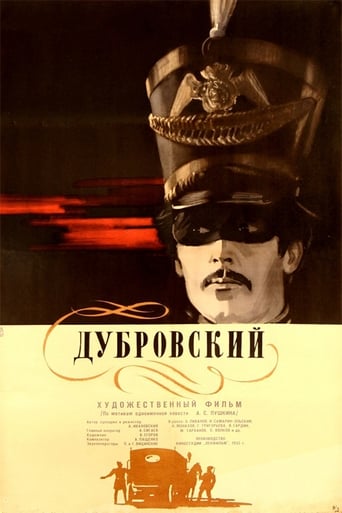
- Memorable performance in 'Dubrovskiy' (1936)
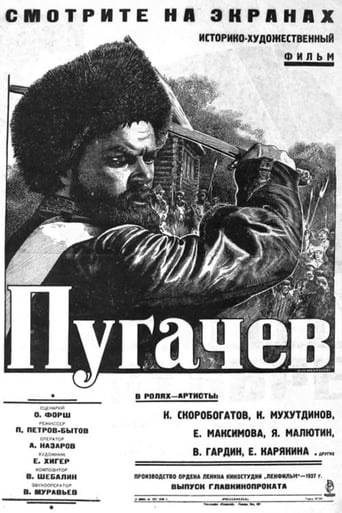
- Leading role in 'Pugachev' (1937)
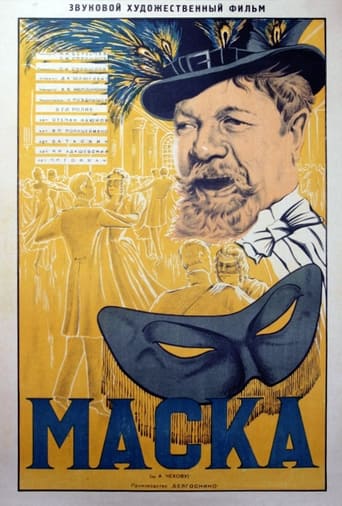
- Starred in 'Maska' (1938)
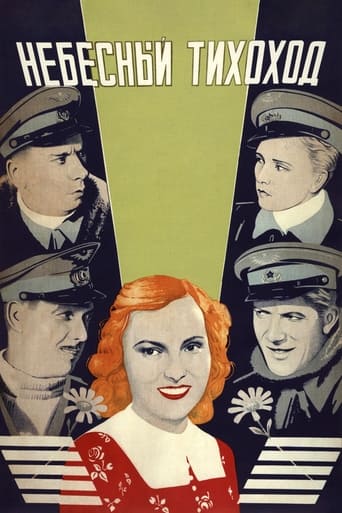
- Featured in 'The Sky Slow-Mover' (1945)
- Awarded Honored Artist of the RSFSR
- Received People's Artist of the RSFSR title
- Successful transition from theater to film
- Maintained active career for over 50 years
Best Known For
Iconic Roles
Must-See Films
Accolades
Won
- Honored Artist of the RSFSR
- People's Artist of the RSFSR
Special Recognition
- State honors for contributions to Soviet cinema
- Recognition for theatrical achievements
- Veteran of Soviet film industry
Working Relationships
Worked Often With
Studios
Why They Matter
Impact on Culture
Vladimir Taskin contributed significantly to the development of Soviet cinema during its formative years, particularly in the 1930s-1940s when the film industry was establishing its artistic identity. His work in films like 'Dubrovskiy' and 'Pugachev' helped define the aesthetic and narrative conventions of Soviet historical drama. Taskin's commitment to the Stanislavski method influenced generations of Soviet actors, demonstrating how psychological realism could be effectively translated to the screen. His performances in adaptations of classic Russian literature helped bridge the gap between traditional theatrical storytelling and the emerging language of cinema.
Lasting Legacy
Taskin's legacy endures through his extensive filmography and the impact he had on Soviet acting methodology. As a bridge between the theatrical traditions of early 20th century Russia and the modern cinema of the Soviet era, he helped establish standards of performance quality that influenced subsequent generations. His recognition with state honors reflects the high regard in which he was held within the Soviet cultural establishment. The preservation of his films in Russian archives ensures that future generations can study his contributions to the art of film acting.
Who They Inspired
Taskin influenced Soviet actors through his dedication to psychological realism and his ability to maintain a consistent career across changing political and cultural landscapes. His work demonstrated how actors could adapt to the demands of Soviet cinema while maintaining artistic integrity. Younger actors who worked with him in his later years benefited from his experience and his deep understanding of both theatrical and cinematic performance techniques.
Off Screen
Vladimir Taskin led a relatively private personal life, though he was married to fellow actress Nina Grebeshkova. Their marriage represented a union of two prominent figures in Soviet performing arts. Taskin was known for his dedication to his craft and maintained professional relationships throughout his long career. He continued working actively in both film and theater well into his later years, demonstrating his passion for the performing arts until his death in 1990 at the age of 81.
Education
Theatrical training in Moscow, likely at one of the prestigious Soviet theater institutes
Family
- Nina Grebeshkova
Did You Know?
- Born in Moscow in 1908, making him a contemporary of the early Soviet film pioneers
- His career spanned from the silent era transition through the Golden Age of Soviet cinema
- Worked during Stalin's era, when film was heavily controlled by the state
- Appeared in both historical dramas and contemporary films
- Maintained simultaneous careers in both theater and film
- Lived through the entire Soviet period, from its founding to its collapse
- His film 'Pugachev' dealt with a famous Russian historical rebel leader
- Continued acting well into his 70s, showing remarkable longevity
- Married to actress Nina Grebeshkova, another notable Soviet performer
- Received the prestigious People's Artist of the RSFSR title, the highest artistic honor in Soviet Russia
In Their Own Words
Acting is not about pretending, but about finding the truth within yourself and bringing it to the character
The stage and screen are different worlds, but the heart of performance remains the same
Every role, no matter how small, deserves the same respect and preparation
Frequently Asked Questions
Who was Vladimir Taskin?
Vladimir Taskin was a distinguished Soviet actor born in 1908 who had a career spanning over five decades in both theater and film. He was particularly active during the 1930s-1940s and appeared in notable Soviet productions including 'Three Comrades' and 'Dubrovskiy'. Taskin was recognized with state honors including the title of People's Artist of the RSFSR.
What films is Vladimir Taskin best known for?
Taskin is best known for his roles in 'Three Comrades' (1935), 'Dubrovskiy' (1936), 'Pugachev' (1937), 'Maska' (1938), and 'The Sky Slow-Mover' (1945). These films represent his most significant work during the classic period of Soviet cinema.
When was Vladimir Taskin born and when did he die?
Vladimir Taskin was born on May 25, 1908, in Moscow, Russian Empire, and died on January 28, 1990, in Moscow, USSR, at the age of 81.
What awards did Vladimir Taskin win?
Taskin received several prestigious Soviet honors including the title of Honored Artist of the RSFSR and the higher distinction of People's Artist of the RSFSR, which recognized his significant contributions to Soviet performing arts.
What was Vladimir Taskin's acting style?
Taskin's acting style was deeply rooted in the Stanislavski system, emphasizing psychological realism and emotional authenticity. He was known for creating complex characters through subtle gestures, nuanced expressions, and meticulous preparation, excelling in both dramatic and comedic roles.
Learn More
Films
5 films