Ruth Page
Actor
Born: March 22, 1899 in Indianapolis, Indiana, USA Died: April 7, 1991 Active: 1917-1991
About Ruth Page
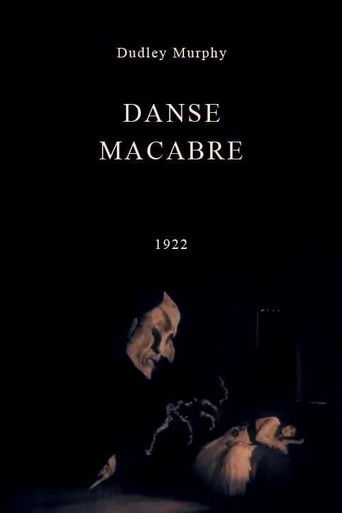
Ruth Page was a pioneering American ballerina, choreographer, and director who played a vital role in establishing a uniquely American identity in the world of ballet. Born in Indianapolis, she began her professional journey by touring South America with Anna Pavlova’s company in 1918 before becoming a principal dancer for Adolph Bolm’s Ballet Intime. In 1922, she made a significant early contribution to cinema by starring in 'Danse Macabre', an experimental short film directed by Dudley Murphy that was celebrated as the first dance film to feature a synchronized sound score. Throughout the 1920s and 1930s, Page performed with prestigious ensembles including Diaghilev’s Ballets Russes and the Metropolitan Opera, while simultaneously developing her own choreographic voice. She was a radical innovator who broke racial barriers by casting African American dancers in her 1933 production of 'La Guiablesse' and created 'An American Pattern' (1937), widely regarded as the first feminist ballet in the United States. Her long-standing tenure as the director of the Chicago Opera Ballet and the founding of the Ruth Page Center for the Arts cemented her status as the 'Grand Dame' of Chicago dance.
The Craft
On Screen
Her acting was deeply rooted in the expressive traditions of classical ballet and pantomime, characterized by a fluid, lyrical grace and a dramatic intensity that translated well to the silent screen. In 'Danse Macabre', she utilized the 'visual symphony' approach, where her movements were meticulously timed to the rhythm and mood of Saint-Saëns' music.
Milestones
- Starred in 'Danse Macabre' (1922), the first synchronized sound dance film
- First American woman to dance with Anna Pavlova's company (1918)
- Created the role of Terpsichore in the premiere of Stravinsky's 'Apollon Musagète' (1928)
- Choreographed 'Frankie and Johnny' (1938), a landmark American folk ballet
- Founded the Ruth Page Foundation and School of Dance in Chicago (1971)
- Facilitated Rudolf Nureyev's New York City debut in 1962
- Performed at the coronation ceremonies for Emperor Hirohito in Japan (1928)
Best Known For
Iconic Roles
Must-See Films
Accolades
Won
- Dance Magazine Award (1980)
- Illinois Gubernatorial Award (1985)
- Indiana Academy Membership (1975)
- Honorary Doctorate from Columbia College Chicago (1974)
- Honorary Doctorate from DePaul University
- Honorary Doctorate from Indiana University
Nominated
- Named one of America's 100 Irreplaceable Dance Treasures by the Dance Heritage Coalition
Special Recognition
- A street in Chicago is named 'Ruth Page Way' in her honor
- Subject of two award-winning documentaries: 'An American Original' and 'Once Upon a Dancer'
Working Relationships
Worked Often With
Studios
Why They Matter
Impact on Culture
Ruth Page was a transformative figure who helped shift the center of the American dance world toward Chicago. By integrating American folklore, contemporary social issues, and feminist themes into ballet, she broke the stranglehold of European classical aesthetics. Her 1922 film 'Danse Macabre' was a technical milestone in the history of experimental cinema, merging the avant-garde 'visual symphony' movement with the emerging technology of synchronized sound.
Lasting Legacy
Her legacy is preserved through the Ruth Page Center for the Arts in Chicago, which remains a vital hub for dance education and performance. She is remembered as a pioneer who championed racial integration in dance and created a repertoire of 'opera-ballets' that made classical music accessible to broader audiences. Her extensive film archives at the Chicago Film Archives and the New York Public Library serve as a primary resource for the study of 20th-century dance.
Who They Inspired
She influenced generations of American dancers by proving that ballet could be a vehicle for local narratives rather than just fairy tales. Her collaboration with modernists like Isamu Noguchi and composers like Aaron Copland helped bridge the gap between classical ballet and the burgeoning American modern dance movement.
Off Screen
Ruth Page was born into a cultured family; her father, Lafayette Page, was a prominent brain surgeon, and her mother, Mary Irvine Page, was a pianist. She was married to Thomas Hart Fisher, a wealthy Chicago attorney and her business manager, from 1925 until his death in 1969. In 1983, she married her longtime artistic collaborator and friend, the artist Andre Delfau.
Education
Studied at Tudor Hall School for Girls in Indianapolis; trained in dance under Jan Zalewski, Adolph Bolm, Enrico Cecchetti, and Harald Kreutzberg.
Family
- Thomas Hart Fisher (1925–1969)
- Andre Delfau (1983–1991)
Did You Know?
- She was the first American to commission a ballet from the legendary George Balanchine ('Polka Melancholique').
- She continued to attend a daily dance class until she was 87 years old.
- Her 1922 film 'Danse Macabre' used experimental lighting by the famous photographer Francis Bruguière.
- She performed for the Japanese Emperor Hirohito during his 1928 enthronement ceremonies.
- She is buried in Chicago's Graceland Cemetery, just a few feet away from baseball legend Ernie Banks.
- She wrote two books: 'Page by Page' (1978) and 'Class' (1984).
In Their Own Words
I've always been a person who wanted to do something new. I never wanted to do what had been done before.
Dance is the only art of which we ourselves are the stuff of which it is made.
Frequently Asked Questions
Who was Ruth Page?
Ruth Page was a world-renowned American ballerina, choreographer, and director known as the 'Grand Dame' of Chicago dance. She was a pioneer of American-themed ballet and starred in one of the first synchronized sound dance films, 'Danse Macabre' (1922).
What films is Ruth Page best known for?
She is most famous in cinema history for the 1922 experimental short 'Danse Macabre'. She also appeared in several filmed versions of her ballets, such as 'The Merry Widow' and 'Frankie and Johnny', which were broadcast on television.
When was Ruth Page born and when did she die?
She was born on March 22, 1899, in Indianapolis, Indiana, and passed away on April 7, 1991, in Chicago, Illinois, at the age of 92.
What awards did Ruth Page win?
Her major recognitions include the Dance Magazine Award (1980), the Illinois Gubernatorial Award (1985), and several honorary doctorates from institutions like DePaul University and Columbia College.
What was Ruth Page's artistic style?
Her style was characterized by 'artistic restlessness,' blending classical ballet technique with modern themes, American folklore, and avant-garde visual elements. She was a pioneer of the 'opera-ballet' genre and frequently collaborated with modernist artists and composers.
Learn More
Films
1 film