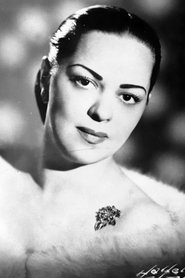
Linda Batista
Actor
Born: June 14, 1919 in Rio de Janeiro, Brazil Died: June 17, 1988 Active: 1939-1940s Birth Name: Linda Batista de Oliveira
About Linda Batista
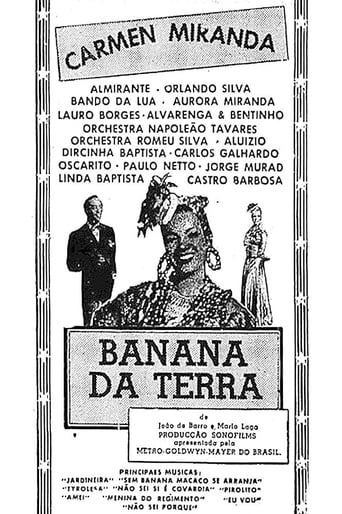
Linda Batista was a prominent Brazilian singer and actress who rose to fame during the golden age of Brazilian cinema in the late 1930s and 1940s. Born as Linda Batista de Oliveira, she came from a musical family and began her career performing in radio shows and nightclubs before transitioning to film. Her most notable screen appearance was in the 1939 musical film 'Banana-da-Terra,' which showcased Brazil's burgeoning film industry and featured the legendary Carmen Miranda. Batista was particularly known for her powerful contralto voice and her ability to interpret samba and other Brazilian musical genres with authentic emotion and technical precision. Throughout her career, she recorded numerous successful albums and performed extensively in Brazil's thriving entertainment circuit. While her film career was relatively brief, her musical legacy endured for decades, making her one of the most respected voices in Brazilian popular music of her era.
The Craft
On Screen
Naturalistic performance style typical of Brazilian musical cinema of the era, focusing on authentic emotional expression within musical numbers rather than dramatic acting
Milestones
- Starred in 'Banana-da-Terra' (1939)
- Successful recording career as a samba singer
- Radio performances on Brazilian national radio
- Nightclub performances throughout Rio de Janeiro
- Collaborations with prominent Brazilian composers
Best Known For
Iconic Roles
Must-See Films
Accolades
Won
- Multiple Brazilian music industry awards for recordings
Nominated
- Various Brazilian music award nominations
Special Recognition
- Recognized as one of Brazil's important samba interpreters
- Honored in Brazilian music history retrospectives
Working Relationships
Worked Often With
Studios
Why They Matter
Impact on Culture
Linda Batista played a significant role in the development of Brazilian musical cinema during its formative years. Her work in 'Banana-da-Terra' contributed to the international recognition of Brazilian music and culture, helping pave the way for Brazilian artists to gain global attention. As a female performer in a male-dominated industry, she helped break barriers for women in Brazilian entertainment. Her interpretations of samba and other traditional Brazilian musical styles helped preserve and popularize these genres during a crucial period of Brazil's cultural development.
Lasting Legacy
Linda Batista's legacy endures primarily through her recordings and her contribution to Brazilian musical cinema history. She is remembered as part of the first generation of Brazilian film stars who successfully transitioned from live performance to the silver screen. Her work, particularly in 'Banana-da-Terra,' is studied by film historians interested in the development of Latin American cinema. The film itself has become a cultural artifact, representing an important moment when Brazilian cinema began to develop its distinct identity separate from Hollywood influences.
Who They Inspired
Batista influenced subsequent generations of Brazilian singers through her authentic approach to samba interpretation. Her success demonstrated that Brazilian artists could achieve fame while maintaining their cultural identity rather than adopting foreign styles. Many later Brazilian female performers cited the Batista sisters as inspirations for pursuing careers in both music and film. Her work helped establish a template for Brazilian musical films that would influence the country's cinema for decades.
Off Screen
Linda Batista was the younger sister of Dircinha Batista, another famous Brazilian singer and actress. The sisters often performed together and were both prominent figures in Brazil's entertainment industry during the 1930s and 1940s. Linda married and had children, though she maintained a relatively private personal life compared to her public musical career.
Education
Limited formal education, trained primarily through practical experience in radio and live performance
Family
- Limited public information available on marital history
Did You Know?
- 'Banana-da-Terra' was one of the first Brazilian films to achieve international distribution
- Linda and her sister Dircinha were sometimes called 'the Batista sisters' in Brazilian media
- The film featured some of the first cinematic presentations of traditional Brazilian Carnival celebrations
- Linda was known for her distinctive contralto voice, which was unusual among female Brazilian singers of her era
- She began her career performing on Brazilian radio before transitioning to film
- The Batista sisters came from a modest background in Rio de Janeiro
- Linda continued performing music long after her brief film career ended
- She was part of a generation of Brazilian artists who helped define the country's musical identity in the 20th century
In Their Own Words
Limited documented quotes available, primarily known through her musical interpretations rather than spoken statements
Frequently Asked Questions
Who was Linda Batista?
Linda Batista was a Brazilian singer and actress best known for her role in the 1939 musical film 'Banana-da-Terra.' She was part of Brazil's golden age of cinema and a respected interpreter of samba and other Brazilian musical genres.
What films is Linda Batista best known for?
Linda Batista is primarily known for her appearance in 'Banana-da-Terra' (1939), a significant Brazilian musical film that also featured Carmen Miranda and helped establish Brazilian cinema's international presence.
When was Linda Batista born and when did she die?
Linda Batista was born on June 14, 1919, in Rio de Janeiro, Brazil, and passed away on June 17, 1988, at the age of 69.
What awards did Linda Batista win?
While specific international awards are not extensively documented, Linda Batista received recognition within the Brazilian music industry for her recordings and was honored as one of Brazil's important samba interpreters.
What was Linda Batista's acting style?
Her acting style was naturalistic and typical of Brazilian musical cinema of the 1930s, focusing more on authentic musical performance than dramatic acting. She excelled at conveying emotion through song rather than dialogue.
Was Linda Batista related to other famous performers?
Yes, Linda Batista was the younger sister of Dircinha Batista, another famous Brazilian singer and actress. The sisters often performed together and were both prominent figures in Brazil's entertainment industry.
What was Linda Batista's cultural significance?
Linda Batista was significant for helping establish Brazilian musical cinema and preserving traditional Brazilian musical styles like samba. She contributed to Brazil's cultural identity during a crucial period of the country's artistic development.
Learn More
Films
1 film