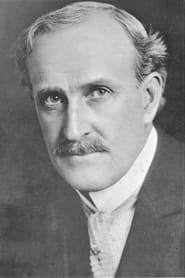
Theodore Roberts
Actor
Born: October 8, 1861 in San Francisco, California, USA Died: December 14, 1928 Active: 1914-1928
About Theodore Roberts
Theodore Roberts was a distinguished character actor of the silent film era, known for his commanding presence and frequent collaborations with director Cecil B. DeMille. He began his career on the stage before transitioning to films in the early 1910s, quickly becoming one of Hollywood's most reliable character actors. Roberts appeared in over 100 films during his career, often portraying patriarchs, judges, military officers, and other authority figures due to his imposing stature and deep voice. He was a founding member of the Academy of Motion Picture Arts and Sciences in 1927, demonstrating his respected status within the industry. His most memorable roles came in DeMille's epic productions, where his powerful screen presence added gravitas to historical and biblical narratives. Roberts continued acting until his death in 1928, leaving behind a legacy as one of silent cinema's most distinguished character actors.
The Craft
On Screen
Roberts was known for his commanding presence and authoritative demeanor, often playing patriarchs, judges, military officers, and other figures of authority. His stage background gave him a powerful projection and gravitas that translated well to silent film, where his expressive features and imposing physique could convey complex emotions without dialogue. He had a particular talent for conveying wisdom, strength, and moral authority through subtle facial expressions and body language.
Milestones
- Founding member of the Academy of Motion Picture Arts and Sciences (1927)
- Frequent collaborator with Cecil B. DeMille
- Appeared in over 100 films
- Transitioned successfully from stage to silent film
- Known for portraying authority figures and patriarchs
Best Known For
Iconic Roles
Must-See Films
Accolades
Special Recognition
- Founding Member of the Academy of Motion Picture Arts and Sciences (1927)
Working Relationships
Worked Often With
Studios
Why They Matter
Impact on Culture
Theodore Roberts played a significant role in establishing the archetype of the authoritative character actor in early Hollywood cinema. His work with Cecil B. DeMille helped define the visual language of biblical and historical epics, setting standards for how authority figures were portrayed in American cinema. As a founding member of the Academy, he contributed to establishing the institutional framework that would govern the film industry for decades to come. His transition from stage to film represented the broader movement of theatrical talent into the emerging medium of motion pictures.
Lasting Legacy
Roberts' legacy endures through his memorable performances in some of silent cinema's most significant productions, particularly the DeMille epics that remain classics of the era. His contributions to establishing the Academy of Motion Picture Arts and Sciences helped create one of cinema's most influential institutions. The authority and dignity he brought to his character roles helped establish templates for character acting that would influence generations of performers. His filmography serves as a valuable record of the evolution of American cinema from its early days to the sophisticated productions of the late 1920s.
Who They Inspired
Roberts influenced subsequent generations of character actors through his demonstration of how to create memorable authority figures with limited screen time. His work with DeMille helped establish visual conventions for portraying historical and biblical characters that would be referenced for decades. Younger actors at Paramount and Famous Players-Lasky learned from his professional approach and technical mastery of the silent medium. His stage-informed technique showed how theatrical training could be effectively adapted to the specific demands of film performance.
Off Screen
Theodore Roberts was married to actress Florence E. Smythe, with whom he often appeared on stage. The couple had one child together. Roberts was known as a respected and professional figure in Hollywood circles, earning the nickname 'The Dean' among his peers for his dignified demeanor and extensive experience. He maintained a reputation for reliability and professionalism throughout his career, which contributed to his longevity in the rapidly changing film industry.
Education
Educated in San Francisco schools; received theatrical training through stage experience
Family
- Florence E. Smythe (1905-1928)
Did You Know?
- Was one of the 36 founding members of the Academy of Motion Picture Arts and Sciences in 1927
- Began his career on stage at age 18, appearing in numerous theatrical productions
- His wife Florence E. Smythe was also a prominent actress
- Often played characters much older than his actual age due to his distinguished appearance
- Worked consistently through the transition from short films to feature-length productions
- Was nicknamed 'The Dean' by colleagues for his dignified demeanor
- Appeared in both versions of 'The Ten Commandments' (1923 and 1956 remakes reference his character)
- Was one of the highest-paid character actors of his era
- His deep voice made him particularly effective in the early sound era
- Died shortly after completing his final film in 1928
In Their Own Words
Acting is not about being someone else, but about finding the truth within yourself that connects to the character
The camera sees everything - you must bring your entire being to every role, no matter how small
Frequently Asked Questions
Who was Theodore Roberts?
Theodore Roberts was a prominent American character actor during the silent film era, best known for his authoritative roles in Cecil B. DeMille's epic productions. He appeared in over 100 films between 1914 and 1928 and was one of the founding members of the Academy of Motion Picture Arts and Sciences.
What films is Theodore Roberts best known for?
Roberts is best known for his roles in Cecil B. DeMille's epics including 'The Ten Commandments' (1923) and 'The King of Kings' (1927), as well as early silent films like 'Joan the Woman' (1916), 'A Little Princess' (1917), and 'The Girl of the Golden West' (1915).
When was Theodore Roberts born and when did he die?
Theodore Roberts was born on October 8, 1861, in San Francisco, California, and died on December 14, 1928, in Hollywood, California, at the age of 67.
What awards did Theodore Roberts win?
While Theodore Roberts did not receive competitive Academy Awards during his lifetime, he was honored as one of the 36 founding members of the Academy of Motion Picture Arts and Sciences in 1927, recognizing his significant contributions to the film industry.
What was Theodore Roberts' acting style?
Roberts was known for his commanding presence and authoritative demeanor, often playing patriarchs, judges, and military officers. His stage background gave him powerful projection skills, and he excelled at conveying wisdom and moral authority through subtle expressions and imposing physique, making him ideal for silent film character roles.
Learn More
Films
20 films
A Little Princess
1917
The Affairs of Anatol
1921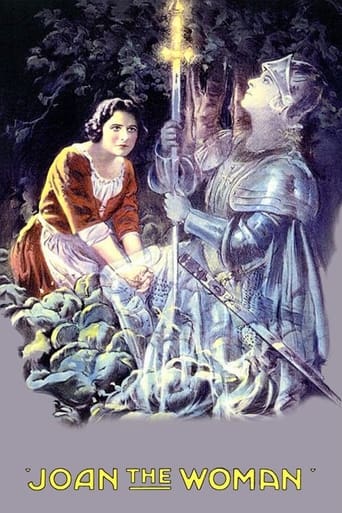
Joan the Woman
1916
Male and Female
1919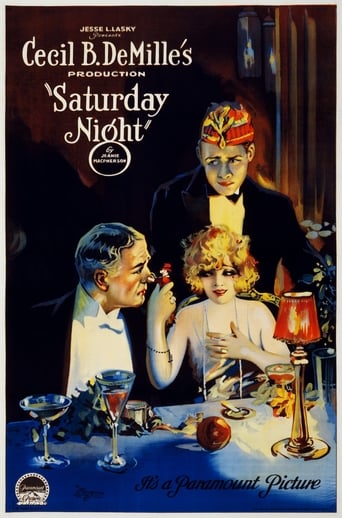
Saturday Night
1922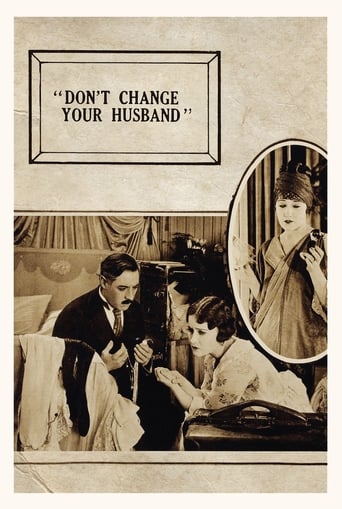
Don't Change Your Husband
1919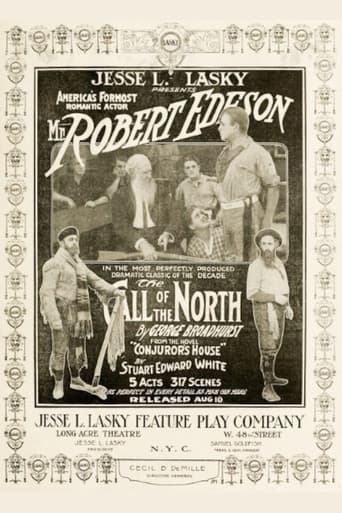
The Call of the North
1914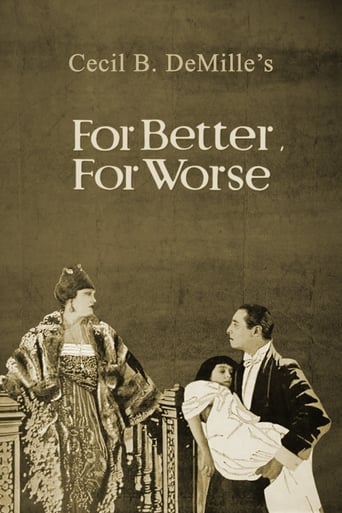
For Better, for Worse
1919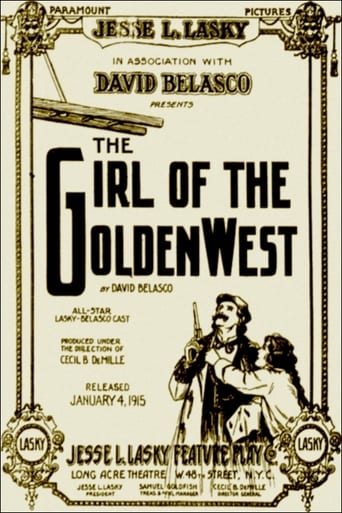
The Girl of the Golden West
1915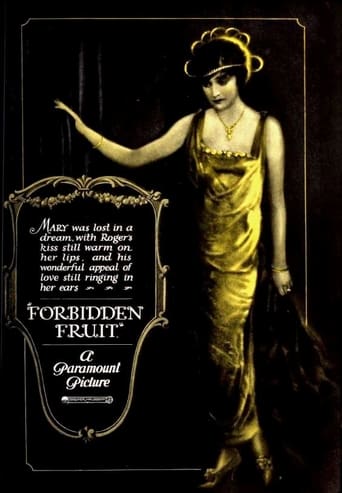
Forbidden Fruit
1921
Something to Think About
1920
The Roaring Road
1919
The Captive
1915
Excuse My Dust
1920
Miss Lulu Bett
1921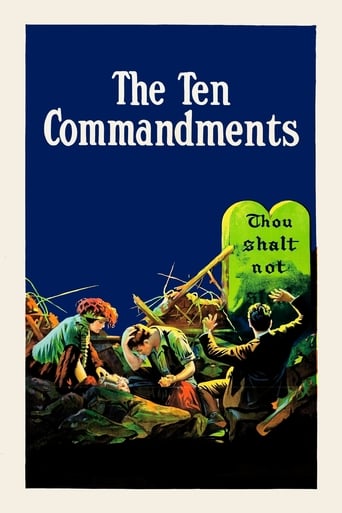
The Ten Commandments
1923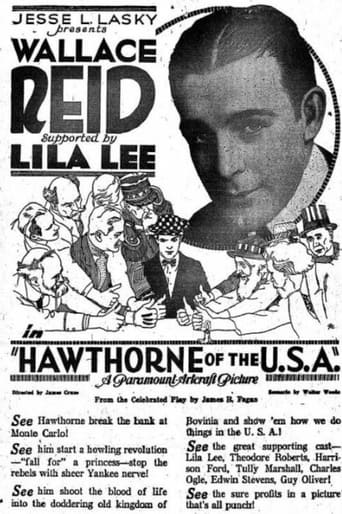
Hawthorne of the U.S.A.
1919
Old Wives for New
1918