
Paul Hurst
Actor
Born: October 15, 1888 in Traver, California, USA Died: February 27, 1953 Active: 1915-1953 Birth Name: Paul Harrison Hurst
About Paul Hurst
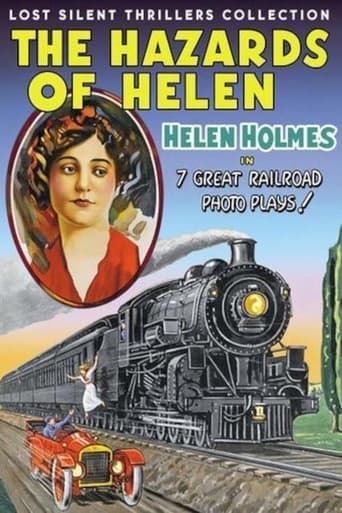
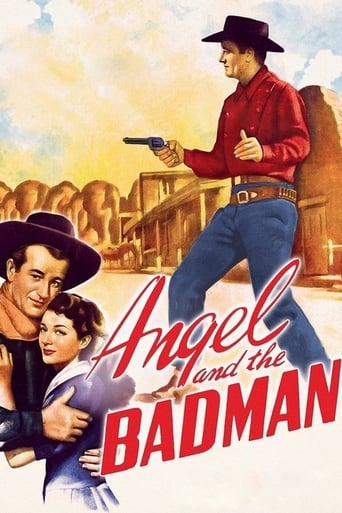
Paul Hurst was a prolific American character actor whose career spanned over three decades, from the silent era through the Golden Age of Hollywood. Born in 1888, he began his film career in the mid-1910s, appearing in numerous silent shorts and serials, most notably in the popular 'Hazards of Helen' series. Hurst successfully transitioned to sound films, specializing in playing villains, henchmen, and rough-edged characters in Westerns, dramas, and crime films. His imposing physical presence and distinctive gravelly voice made him a recognizable face in hundreds of films throughout the 1920s, 1930s, and 1940s. He worked with major stars like John Wayne, appearing in classics such as 'Angel and the Badman' (1947). Hurst was known for his reliability and professionalism, becoming one of Hollywood's most dependable supporting actors. His career came to an end with his death in 1953, leaving behind a legacy of memorable character performances across more than 300 film and television appearances.
The Craft
On Screen
Paul Hurst was known for his naturalistic yet commanding screen presence, often portraying tough, no-nonsense characters with a menacing edge. His acting style was grounded and realistic, avoiding theatrical excesses common in early cinema. Hurst had a distinctive gravelly voice that served him well in talkies, and he excelled at playing villains, henchmen, and authority figures. His physical presence—tall and imposing—made him particularly effective in roles requiring intimidation or authority. He brought authenticity to every role, whether playing a cowboy, gangster, or military figure, with a straightforward approach that resonated with audiences.
Milestones
- Appeared in over 300 films and television productions
- Transitioned successfully from silent films to talkies
- Regular performer in John Ford films
- Key supporting actor in numerous Westerns
- Prolific serial film performer in the 1910s
Best Known For
Iconic Roles
Must-See Films
Accolades
Special Recognition
- Hollywood Walk of Fame star (6215 Hollywood Blvd)
Working Relationships
Worked Often With
Studios
Why They Matter
Impact on Culture
Paul Hurst represents the quintessential character actor of Golden Age Hollywood, embodying the working-class performer who provided essential support to leading stars. His extensive filmography documents the evolution of American cinema from silent serials to complex sound features. Hurst's consistent presence in Westerns helped establish the genre's visual language and character archetypes. His work in John Ford films contributed to some of the most celebrated American movies ever made. As a reliable supporting player, Hurst exemplified the studio system's efficiency and the importance of character actors in creating believable cinematic worlds.
Lasting Legacy
Paul Hurst's legacy lies in his remarkable filmography of over 300 appearances, making him one of the most prolific character actors of his era. His performances continue to be discovered by new generations of classic film enthusiasts, particularly in Westerns and film noir. Hurst's ability to transition from silent films to talkies demonstrated his adaptability and skill as a performer. His star on the Hollywood Walk of Fame stands as a testament to his contributions to American cinema. Film historians often cite Hurst as an example of the essential but often unheralded character actors who gave depth and authenticity to classic Hollywood films.
Who They Inspired
Paul Hurst influenced subsequent generations of character actors through his professional approach and versatility. His naturalistic style helped move screen acting away from theatrical traditions toward more realistic performances. Younger actors studying his work learned the importance of supporting roles in ensemble storytelling. His success in portraying villains and authority figures established templates for character archetypes in Westerns and crime films that would be emulated for decades. Hurst demonstrated that character actors could build lasting careers through reliability and craft rather than star power.
Off Screen
Paul Hurst was married twice during his lifetime. He married his first wife, actress Edna May Weick, in 1914, though the marriage ended in divorce. Later in life, he married his second wife, with whom he remained until his death. Hurst was known as a private individual who kept his personal life out of the Hollywood spotlight. He was respected by his colleagues for his professionalism and reliability on set. Despite his extensive film career, Hurst maintained a relatively low profile in Hollywood social circles.
Education
Limited formal education, primarily self-taught in acting through experience in stock companies and early film work
Family
- Edna May Weick (1914-1920s)
- Second wife (1930s-1953)
Did You Know?
- Appeared in over 300 films and television shows during his career
- One of the most recognizable faces in Hollywood serials of the 1910s
- Often played characters much older than his actual age
- Served in the U.S. Army during World War I
- Was a skilled horseman, which served him well in Western roles
- Worked consistently through the Great Depression when many actors struggled
- Never received top billing but was often more recognizable than leading men
- His voice was so distinctive that he was frequently cast as authority figures in talkies
- Appeared in at least 10 films directed by John Ford
- Was still actively working in television at the time of his death
In Their Own Words
In this business, you're only as good as your last picture, and I've been making pictures for a long time.
I never cared about being the star. I just wanted to be in the picture and do my job well.
Playing the heavy is easy work if you know how. You just have to look mean and remember your lines.
Frequently Asked Questions
Who was Paul Hurst?
Paul Hurst was a prolific American character actor who appeared in over 300 films from the silent era through the 1940s. He was known for playing villains, henchmen, and authority figures, particularly in Westerns and dramas, working with major directors like John Ford and stars like John Wayne.
What films is Paul Hurst best known for?
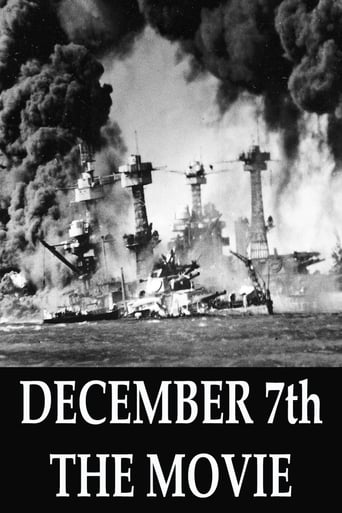
Paul Hurst is best known for his appearances in classic Westerns including 'Angel and the Badman' (1947), 'Stagecoach' (1939), 'My Darling Clementine' (1946), and 'The Grapes of Wrath' (1940). He also appeared in the acclaimed war film 'December 7th' (1943) and numerous serials in the silent era.
When was Paul Hurst born and when did he die?
Paul Hurst was born on October 15, 1888, in Traver, California, and died on February 27, 1953, in Los Angeles, California, at the age of 64. He remained active in film and television almost until his death.
What awards did Paul Hurst win?
While Paul Hurst did not receive major acting awards during his lifetime, he was honored with a star on the Hollywood Walk of Fame at 6215 Hollywood Blvd. His recognition came primarily through the respect of his peers and his lasting contribution to hundreds of classic films.
What was Paul Hurst's acting style?
Paul Hurst was known for his naturalistic, grounded acting style that avoided theatrical excesses. He brought authenticity to his roles with a commanding physical presence and distinctive gravelly voice, excelling at playing tough, no-nonsense characters with a menacing edge.
Learn More
Films
5 films