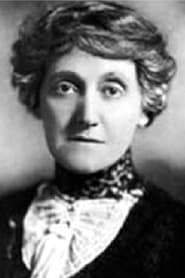
Kate Bruce
Actor
Born: February 17, 1860 in Columbus, Indiana, USA Died: April 2, 1946 Active: 1908-1923
About Kate Bruce
Kate Bruce was a pioneering American actress of the silent film era who became one of D.W. Griffith's most trusted character actresses. Born in Indiana in 1860, she began her film career relatively late in life at age 48, joining the Biograph Studio in 1908. Bruce quickly became a fixture in Griffith's stock company, appearing in over 150 films during her 15-year career. She specialized in portraying maternal figures, often playing mothers, grandmothers, and elderly women with remarkable depth and authenticity. Her most memorable performances include roles in Griffith's landmark epics 'The Birth of a Nation' and 'Intolerance,' as well as the critically acclaimed 'Way Down East.' Bruce's naturalistic acting style helped bridge the gap between theatrical traditions and the emerging language of cinema. She retired from films in 1923 and spent her later years in New York, passing away in 1946 at the age of 86.
The Craft
On Screen
Kate Bruce developed a naturalistic acting style that was ahead of its time in the early film era. Unlike many of her contemporaries who relied on exaggerated theatrical gestures, Bruce brought subtlety and authenticity to her performances. She had a remarkable ability to convey deep emotion through minimal expression, using her eyes and slight facial movements to communicate complex feelings. Her portrayals of maternal figures were particularly noted for their warmth and realism, helping establish the archetype of the caring mother in American cinema. Bruce's technique influenced how character actors would approach supporting roles in subsequent decades.
Milestones
- Joined D.W. Griffith's Biograph stock company in 1908
- Appeared in over 150 films during her career
- Played the mother in Griffith's controversial epic 'The Birth of a Nation' (1915)
- Featured in the groundbreaking film 'Intolerance' (1916)
- Memorable performance as the mother in 'Way Down East' (1920)
- Became one of the first character actresses to specialize in maternal roles in cinema
Best Known For
Iconic Roles
Must-See Films
Accolades
Special Recognition
- Recognized as one of the foundational character actresses of American cinema
Working Relationships
Worked Often With
Studios
Why They Matter
Impact on Culture
Kate Bruce played a significant role in establishing the character actress as an essential component of American cinema. Her consistent portrayals of maternal figures helped create the archetype of the self-sacrificing mother that would become a staple of Hollywood films. Through her work with D.W. Griffith, Bruce contributed to some of the most influential and controversial films of early cinema, including 'The Birth of a Nation' and 'Intolerance.' Her naturalistic acting style helped move film performance away from theatrical exaggeration toward more subtle and realistic expression. Bruce demonstrated that supporting characters could be just as crucial to a film's emotional impact as the leads, paving the way for future character actors.
Lasting Legacy
Kate Bruce's legacy lies in her pioneering work as one of cinema's first great character actresses. She appeared in more than 150 films during the crucial formative years of American cinema, helping establish the language of film acting. Her collaborations with D.W. Griffith contributed to some of the most technically and artistically innovative films of the silent era. Bruce proved that older actresses could find meaningful and substantial roles in the new medium of cinema, challenging the industry's youth obsession. Her naturalistic approach to performance influenced generations of character actors who followed. Today, film historians recognize Bruce as a foundational figure who helped shape the art of film acting.
Who They Inspired
Kate Bruce influenced the development of character acting in American cinema through her consistent, nuanced performances. Her work with D.W. Griffith helped establish the Biograph Studio as a training ground for future film stars. Younger actors like Lillian Gish and Mae Marsh learned from her professional dedication and subtle approach to performance. Bruce demonstrated how supporting roles could carry significant emotional weight, influencing how directors and writers would develop character parts in subsequent decades. Her ability to convey complex emotions with minimal expression presaged the more understated acting style that would dominate sound cinema.
Off Screen
Kate Bruce remained unmarried throughout her life and dedicated herself entirely to her craft. She lived primarily in New York City during her acting career before and after her film work. Despite her prolific film career, Bruce maintained a relatively private personal life and rarely gave interviews. She was known among her colleagues as a dedicated professional who was always prepared and deeply committed to her roles. After retiring from films in 1923, she lived quietly in New York until her death in 1946.
Education
Limited information available, but she likely received formal theatrical training given her professional stage experience before entering films
Did You Know?
- Began her film career at age 48, making her one of the oldest actresses to start in silent films
- Appeared in over 150 films but received screen credit in very few
- Was a member of D.W. Griffith's original stock company at Biograph
- Never married and had no children, despite frequently playing maternal roles
- Was one of the few actresses from Griffith's early Biograph period to continue working with him into his feature film era
- Her real name was indeed Kate Bruce - she did not use a stage name
- Worked as a stage actress before entering films, though her stage career is not well documented
- Appeared in both of Griffith's most ambitious and controversial epics: 'The Birth of a Nation' and 'Intolerance'
- Was known for her professionalism and reliability on set, often called upon for difficult emotional scenes
- Retired from films in 1923, just as the industry was transitioning to sound
In Their Own Words
Acting for the camera is different from the stage. The camera sees everything, even the smallest movement of the heart.
Mr. Griffith taught us that truth in emotion is more important than dramatic gesture.
Frequently Asked Questions
Who was Kate Bruce?
Kate Bruce was a pioneering American actress of the silent film era who specialized in maternal and character roles. She was a key member of D.W. Griffith's stock company, appearing in over 150 films between 1908 and 1923, including landmark works like 'The Birth of a Nation' and 'Intolerance'.
What films is Kate Bruce best known for?
Kate Bruce is best known for her roles in D.W. Griffith films including 'The Birth of a Nation' (1915), 'Intolerance' (1916), 'Way Down East' (1920), 'The Mothering Heart' (1913), and 'The New York Hat' (1912). She appeared in dozens of Biograph shorts and Griffith feature films throughout her career.
When was Kate Bruce born and when did she die?
Kate Bruce was born on February 17, 1860, in Columbus, Indiana, USA. She died on April 2, 1946, in New York City at the age of 86, having retired from films over two decades earlier in 1923.
What awards did Kate Bruce win?
Kate Bruce did not receive any major formal awards during her career, as the Academy Awards were not established until 1929, after she had retired. However, she is recognized by film historians as a foundational character actress who made significant contributions to early American cinema.
What was Kate Bruce's acting style?
Kate Bruce developed a naturalistic acting style that was ahead of its time, emphasizing subtlety and authenticity over theatrical exaggeration. She was particularly noted for her ability to convey deep emotion through minimal expression, especially in her frequent portrayals of maternal figures.
Learn More
Films
65 films

Judith of Bethulia
1914
Way Down East
1920
The New York Hat
1912
At the Altar
1909
Hearts of the World
1918
Ramona
1910
An Awful Moment
1908
The Country Doctor
1909
The Slave
1909
A Corner in Wheat
1909
1776, or The Hessian Renegades
1909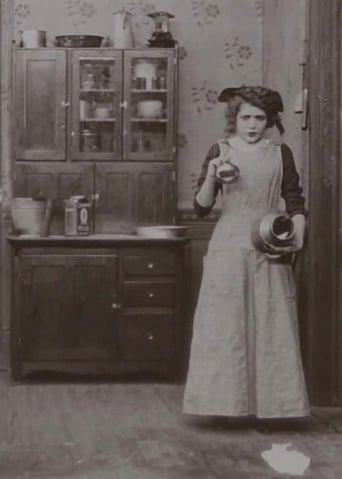
All on Account of the Milk
1910
The Golden Louis
1909
The Telephone Girl and the Lady
1913
Civilization
1916
Getting Even
1909
What's Your Hurry?
1909
The Mothering Heart
1913
Betrayed by a Handprint
1908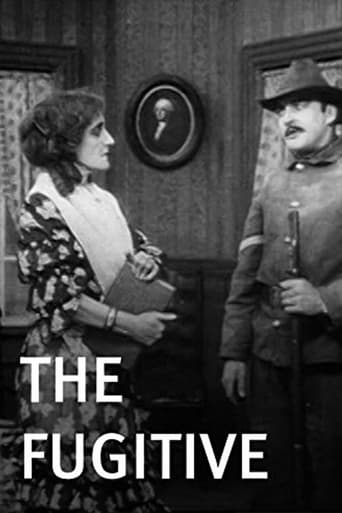
The Fugitive
1910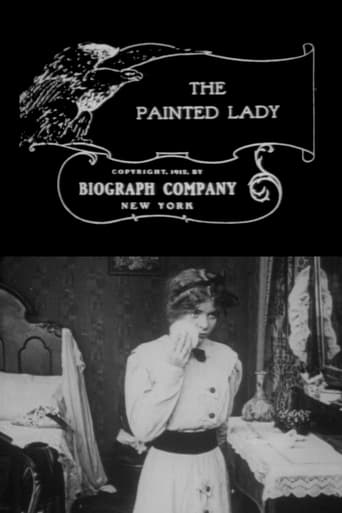
The Painted Lady
1912
A Child of the Ghetto
1910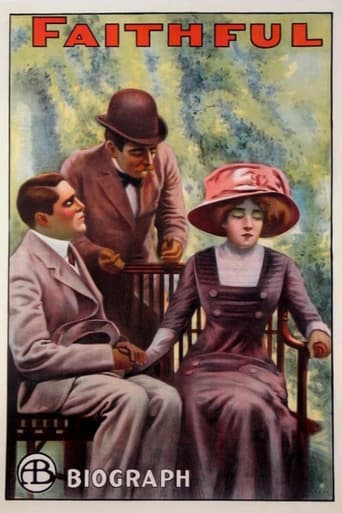
Faithful
1910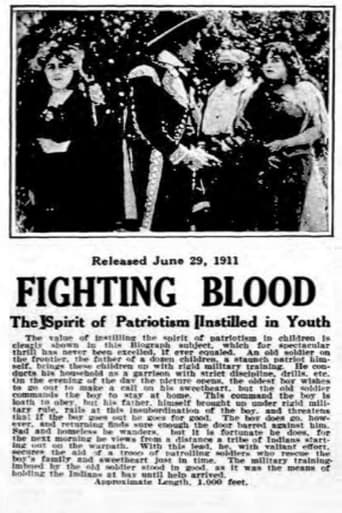
Fighting Blood
1911
An Arcadian Maid
1910
A Trap for Santa Claus
1909
Scarlet Days
1919
The Mountaineer's Honor
1909
The Redman's View
1909
The Unchanging Sea
1910
The Wanderer
1913
The Gibson Goddess
1909
The Sunbeam
1912
The Cardinal's Conspiracy
1909
Through the Breakers
1909
The Girl Who Stayed at Home
1919
Death's Marathon
1913
A Romance of Happy Valley
1919
One Is Business, the Other Crime
1912
The Idol Dancer
1920
A Dash Through the Clouds
1912
The Adventures of Billy
1911
The Little Tease
1913
The Yaqui Cur
1913
An Indian Summer
1912
Lena and the Geese
1912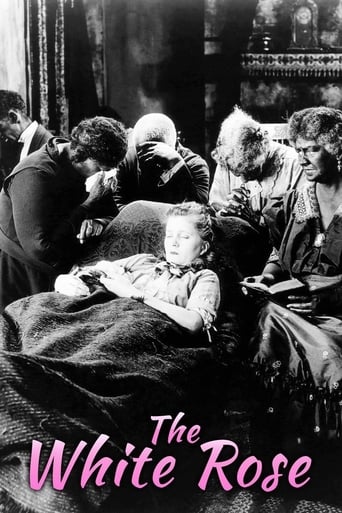
The White Rose
1923
The Song of the Wildwood Flute
1910
The School Teacher and the Waif
1912
Hot Stuff
1912
Confidence
1909
His Duty
1909
His Trust
1911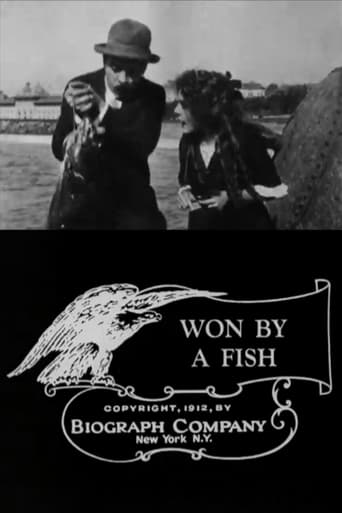
Won by a Fish
1912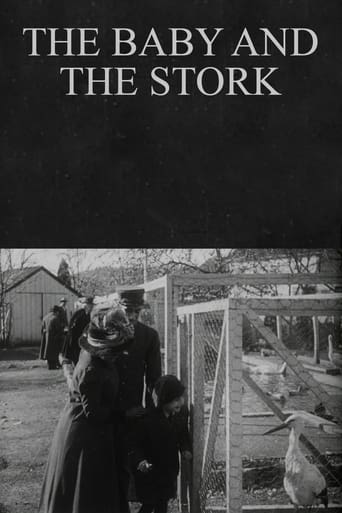
The Baby and the Stork
1911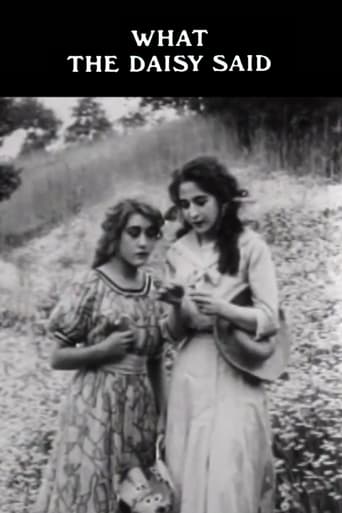
What the Daisy Said
1910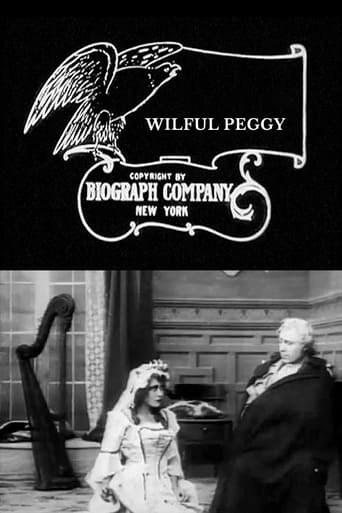
Wilful Peggy
1910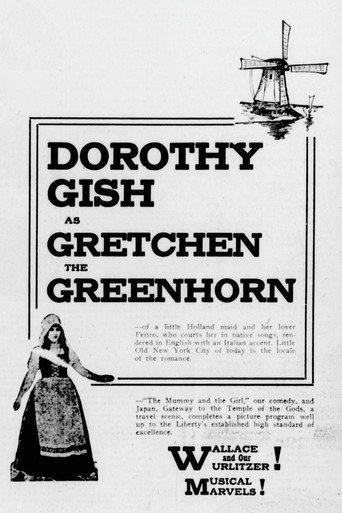
Gretchen the Greenhorn
1916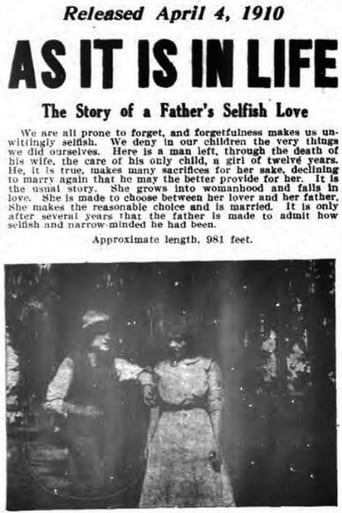
As It Is in Life
1910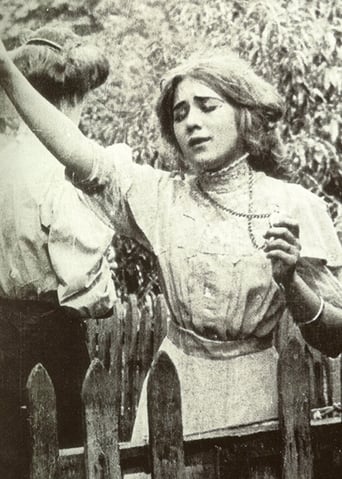
The Broken Locket
1909
The Old Actor
1912
The Furs
1912
The Manicure Lady
1911