
Dorothy Cumming
Actor
Born: April 12, 1895 in Boorowa, New South Wales, Australia Died: December 10, 1983 Active: 1915-1929
About Dorothy Cumming
Dorothy Cumming was a prominent Australian silent film actress who rose to international fame during the 1910s and 1920s. Born in Australia, she began her career on the stage before transitioning to films, quickly establishing herself as a versatile leading lady in both dramatic and comedic roles. Her breakthrough came with her performance in the 1916 adaptation of 'Snow White,' which led to her being recruited by Hollywood studios. Cumming worked with many of the era's most respected directors, including Cecil B. DeMille, with whom she collaborated on several notable productions including the epic 'The King of Kings' (1927). Her career flourished throughout the silent era, but like many of her contemporaries, she struggled to make the transition to sound films. By the late 1920s, her film career had largely wound down, though she had left an indelible mark on early cinema with her compelling screen presence and emotional range.
The Craft
On Screen
Dorothy Cumming was known for her naturalistic acting style that was ahead of its time for the silent era. She possessed a remarkable ability to convey complex emotions through subtle facial expressions and body language, avoiding the exaggerated gestures common among many of her contemporaries. Her performances were characterized by their emotional authenticity and psychological depth, allowing audiences to connect with her characters on a deeper level. Cumming had particular skill in portraying strong, independent women while maintaining a sense of vulnerability and humanity.
Milestones
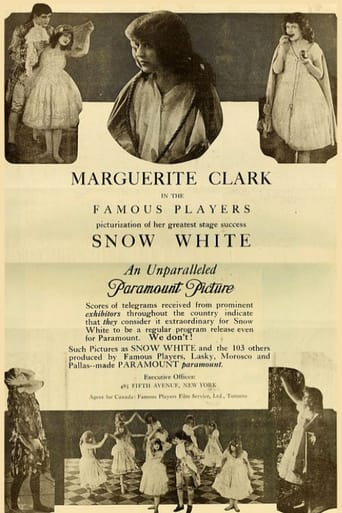
- Breakthrough role in 'Snow White' (1916)
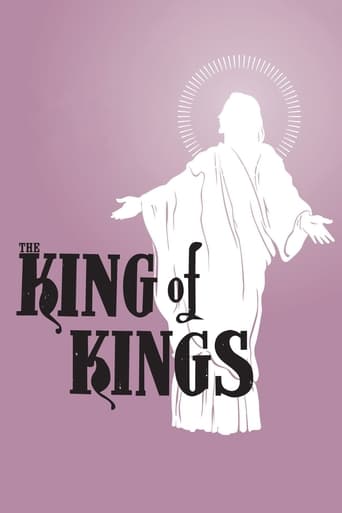
- Leading role in Cecil B. DeMille's 'The King of Kings' (1927)
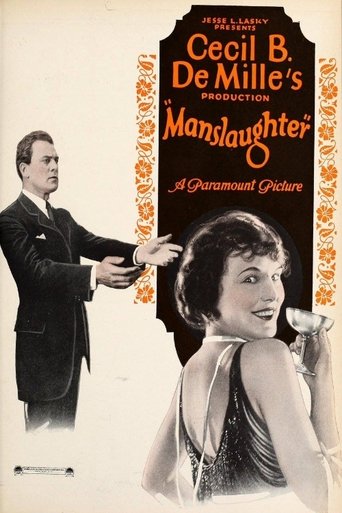
- Starred opposite Thomas Meighan in 'Manslaughter' (1922)
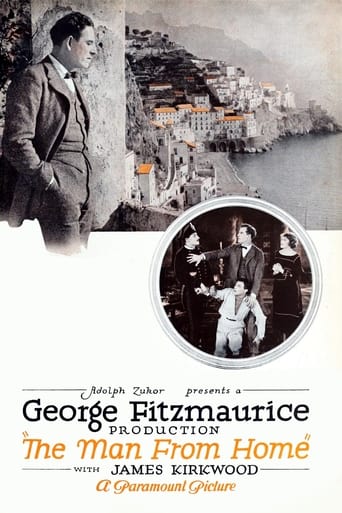
- Collaborated with director James Kirkwood on multiple films
- Successful transition from Australian stage to international cinema
Best Known For
Iconic Roles
Must-See Films
Accolades
Special Recognition
- Star on the Hollywood Walk of Fame
Working Relationships
Worked Often With
Studios
Why They Matter
Impact on Culture
Dorothy Cumming played a significant role in the transition of Australian talent to international cinema during the silent era. Her success helped pave the way for other Australian performers to find opportunities in Hollywood. As one of the few Australian actresses to achieve leading lady status in American silent films, she challenged the prevailing American dominance of the industry and demonstrated the global nature of early cinema. Cumming's portrayal of Mary Magdalene in DeMille's 'The King of Kings' was particularly influential, as it presented a more nuanced and sympathetic interpretation of the biblical character that influenced subsequent cinematic adaptations.
Lasting Legacy
Dorothy Cumming's legacy lies in her contributions to both Australian and American silent cinema history. She is remembered as one of the first Australian actresses to achieve international stardom, breaking barriers for performers from outside the United States. Her film work, particularly her collaborations with Cecil B. DeMille, remains significant for scholars of silent cinema and is frequently cited in retrospectives of the era. Cumming's naturalistic acting style influenced subsequent generations of actors, demonstrating that subtlety and emotional authenticity could be powerful tools in silent performance. Today, her surviving films are valued as important examples of silent era craftsmanship and continue to be studied by film historians and enthusiasts.
Who They Inspired
Cumming influenced the development of more naturalistic acting techniques in silent films, showing that excessive melodramatic gestures weren't necessary to convey emotion on screen. Her success as an Australian actress in Hollywood helped establish the viability of international talent in American cinema, contributing to the industry's gradual globalization. Her portrayal of complex female characters, particularly in films like 'Manslaughter' and 'The King of Kings,' helped expand the range of roles available to women in silent cinema beyond simple love interests or victims.
Off Screen
Dorothy Cumming married twice during her lifetime. Her first marriage was to Allan A. Martin, an American businessman, which ended in divorce. She later married Frank Elliott Dakin, with whom she remained until her death. After retiring from films, Cumming largely withdrew from public life and focused on her family. She spent her later years living quietly in New York, occasionally attending film retrospectives and silent cinema events where she was celebrated as one of the last surviving stars of the silent era.
Education
Educated in Australia, studied drama and performing arts in her youth before beginning her stage career
Family
- Allan A. Martin (1918-1924)
- Frank Elliott Dakin (1925-1983)
Did You Know?
- Was one of the first Australian actresses to achieve stardom in American films
- Her role as Mary Magdalene in 'The King of Kings' was one of her most critically acclaimed performances
- Began her career on the Australian stage before moving to films
- Worked with some of the biggest directors of the silent era including Cecil B. DeMille
- Like many silent stars, she struggled to adapt to the sound era and her career declined rapidly after 1929
- Was considered one of the most beautiful actresses of the silent era
- Her 1916 'Snow White' was one of the first feature-length adaptations of the fairy tale
- Lived to be 88 years old, outliving most of her silent era contemporaries
- Retired from films before reaching her 35th birthday
- Her films are now considered valuable examples of silent cinema preservation
In Their Own Words
The silent screen required a special kind of acting - you had to say everything without saying anything at all.
Working with DeMille was like attending a masterclass in filmmaking every single day.
The transition to sound was difficult for many of us, but cinema must evolve or die.
Frequently Asked Questions
Who was Dorothy Cumming?
Dorothy Cumming was an Australian silent film actress who achieved international fame in the 1910s and 1920s. She was known for her naturalistic acting style and starred in notable films including 'Snow White' (1916) and Cecil B. DeMille's 'The King of Kings' (1927). She was one of the first Australian actresses to achieve leading lady status in Hollywood.
What films is Dorothy Cumming best known for?
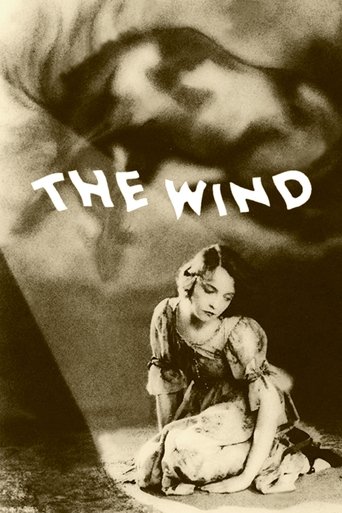
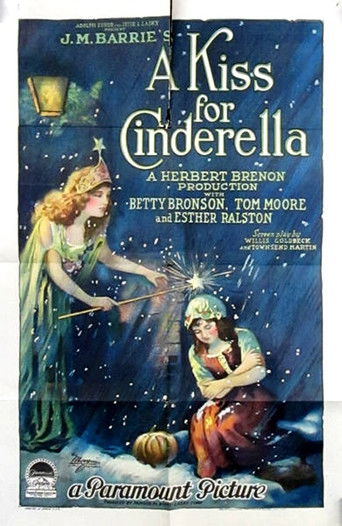
Dorothy Cumming is best known for her roles in 'Snow White' (1916), 'Manslaughter' (1922), 'The King of Kings' (1927) where she played Mary Magdalene, 'A Kiss for Cinderella' (1925), and 'The Man From Home' (1922). Her portrayal of Mary Magdalene in DeMille's biblical epic is particularly remembered as one of her finest performances.
When was Dorothy Cumming born and when did she die?
Dorothy Cumming was born on April 12, 1895, in Boorowa, New South Wales, Australia. She died on December 10, 1983, in New York City at the age of 88, having outlived most of her silent era contemporaries.
What awards did Dorothy Cumming win?
While Dorothy Cumming did not receive major formal awards during her career, she was honored with a star on the Hollywood Walk of Fame for her contributions to cinema. Her performances were critically acclaimed during the silent era, particularly her work in 'The King of Kings'.
What was Dorothy Cumming's acting style?
Dorothy Cumming was known for her naturalistic acting style that was ahead of its time for the silent era. She avoided the exaggerated gestures common among her contemporaries, instead using subtle facial expressions and body language to convey complex emotions. Her performances were characterized by emotional authenticity and psychological depth.
Learn More
Films
9 films