Andrée Lumière
Actor
Born: December 22, 1894 in Lyon, France Died: August 10, 1918 Active: 1895-1895
About Andrée Lumière
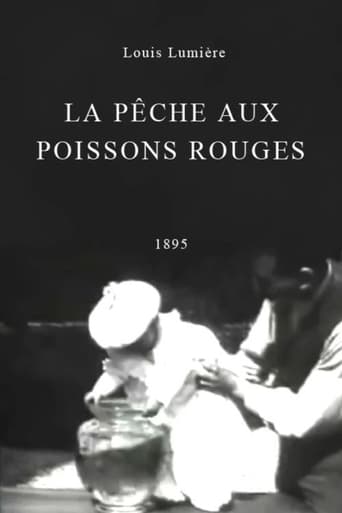
Andrée Lumière was the daughter of Auguste Lumière, one of the pioneering Lumière brothers who invented the cinematograph. Born into the family that would revolutionize cinema, she became one of the very first people to appear in motion pictures. Her appearances in her father and uncle Louis Lumière's early films were not professional acting performances but rather family moments captured for their groundbreaking experiments. In 'Baby's Meal' (1895), she appears as a young child being fed by her mother, while in 'Fishing for Goldfish' (1895), she is shown with other family members engaging in the simple activity of fishing. These films represent some of the earliest surviving examples of documentary-style cinema and family life on film. Her brief film career consisted entirely of 1895, as she was primarily a child appearing in family films rather than a professional actress. Her legacy is intrinsically tied to the birth of cinema itself, making her one of the first children ever captured on motion picture film.
The Craft
On Screen
Natural, unscripted behavior captured in documentary-style family scenes rather than theatrical performance
Milestones
- Appeared in 'Baby's Meal' (1895), one of the earliest surviving films
- Featured in 'Fishing for Goldfish' (1895)
- One of the first children ever filmed
- Part of the Lumière family cinema legacy
- Appeared in films that demonstrated the new technology of motion pictures
Best Known For
Iconic Roles
Must-See Films
Accolades
Special Recognition
- Recognized as one of cinema's earliest performers
- Part of Lumière family legacy honored in film history
Working Relationships
Worked Often With
Studios
Why They Matter
Impact on Culture
Andrée Lumière represents the dawn of cinema itself, being one of the very first individuals captured on motion picture film. Her appearances in these groundbreaking films helped demonstrate the new technology's ability to capture real moments of family life. These early films established the documentary style that would become fundamental to cinema, showing ordinary activities rather than staged performances. Her presence in these films makes her an important, though often overlooked, figure in film history, representing the transition from photography to motion pictures and the birth of a new art form.
Lasting Legacy
Andrée Lumière's legacy is forever intertwined with the birth of cinema. As one of the first children ever filmed, she represents the beginning of capturing childhood on camera, a theme that would become central to cinema throughout its history. The films she appeared in are studied by film historians worldwide as examples of the very earliest motion pictures. Her brief appearances have been preserved and shown in film museums and archives globally, making her an immortal figure in cinema history despite her short life. The Lumière family films continue to be recognized as foundational works in the development of motion pictures.
Who They Inspired
While not a professional actress who influenced others through technique or performance style, Andrée Lumière's natural, unselfconscious behavior in these early films demonstrated the power of capturing authentic moments on camera. This approach would influence documentary filmmakers and directors seeking realism throughout cinema history. Her appearances helped establish the concept that ordinary life could be compelling subject matter for motion pictures, influencing countless filmmakers who followed.
Off Screen
Andrée Lumière was born into the influential Lumière family in Lyon, France. As the daughter of Auguste Lumière, she grew up at the center of the cinematic revolution. Her childhood was documented in some of the very first motion pictures ever made. Tragically, her life was cut short during World War I, dying at the young age of 23.
Education
Limited information available about her formal education; likely educated in Lyon during the early 1900s
Did You Know?
- She was the daughter of Auguste Lumière, one of the inventors of cinema
- She appeared in some of the very first motion pictures ever made
- Her films were shot in 1895, the same year the Lumière brothers held their first public screening
- She was only about 1 year old when she appeared in these films
- Her films were not meant as entertainment but as demonstrations of the new cinematograph technology
- The Lumière brothers' first public screening on December 28, 1895, included 'Baby's Meal'
- She died tragically young during World War I
- Her films are preserved in film archives worldwide as historical treasures
- She is often cited as one of the first child actors in cinema history
- The films she appeared in were very short, typically less than a minute long
Frequently Asked Questions
Who was Andrée Lumière?
Andrée Lumière was the daughter of Auguste Lumière and one of the very first people to appear in motion pictures. She appeared in early Lumière films in 1895, making her one of cinema's earliest performers and part of the pioneering family that invented the cinematograph.
What films is Andrée Lumière best known for?
She is best known for appearing in 'Baby's Meal' (Le déjeuner de bébé, 1895) and 'Fishing for Goldfish' (La pêche aux poissons rouges, 1895), both groundbreaking early films made by the Lumière brothers that demonstrated their new motion picture technology.
When was Andrée Lumière born and when did she die?
Andrée Lumière was born on December 22, 1894, in Lyon, France, and tragically died on August 10, 1918, at the young age of 23 during World War I.
What awards did Andrée Lumière win?
Andrée Lumière did not receive formal awards during her lifetime, as she appeared in films before the era of cinema awards. However, she is recognized in film history as one of the earliest performers and part of the pioneering Lumière family legacy.
What was Andrée Lumière's acting style?
Her 'acting' was actually natural, unscripted behavior captured in documentary-style family scenes rather than theatrical performance. The films captured authentic family moments rather than staged performances, representing the birth of documentary cinema.
Learn More
Films
2 films